Many retirees find that they miss work and the sense of purpose they once had after a few years into retirement. So, it’s no surprise that 7.2% of independent contractors are 70 or older, according to research from ADP.
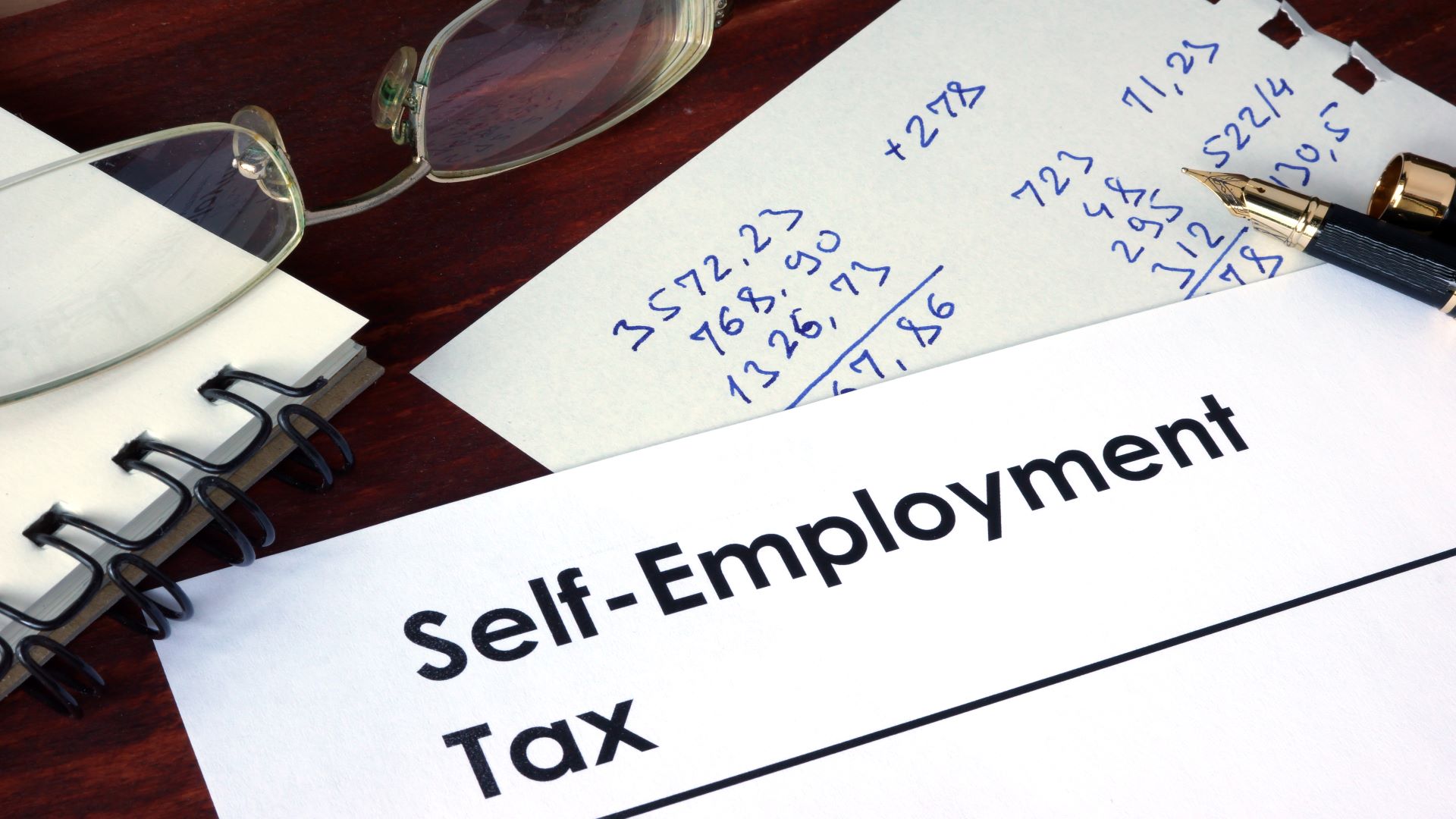
Though working as independent contractors, consultants or freelancers can bring in extra income with part-time hours, there are some drawbacks, namely that retirees must pay self-employment tax on their earnings.

The IRS treats even minor freelance or consulting jobs, as well as small-business income, as self-employment income. Retirees, especially those who had W-2 jobs during their working lives, might be surprised to learn how much tax they owe on these earnings.
Check Out: I’m an Accountant: 6 ‘Big Beautiful Bill’ Tax Changes That Will Benefit the Middle Class
See Next: 5 Low-Effort Ways To Make Passive Income (You Can Start This Week)
What Is the Self-Employment Tax?
When people work a W-2 job, their employer typically splits the cost for Social Security and Medicare. However, when someone is self-employed, they are both the employer and the employee, so they’re required to pay both portions. According to the IRS, the self-employment tax rate is 15.3%. This tax is in addition to federal and state taxes retirees might owe.
For You: Maximize Your Tax Refund by Avoiding This Common Mistake
How Retirees Can Prepare For Self-Employment Tax
The best way for retirees to prepare for self-employment tax is to set aside a portion of each paycheck for taxes. Working with an accountant can help retirees know exactly how much to save for taxes and how much to pay in quarterly estimated taxes. An accountant can also advise retirees on which business expenses they can deduct from their income, such as equipment, mileage and home office expenses.
More From GoBankingRates
- 5 Tax Loopholes the Ultra-Wealthy Use That Most Americans Don't Know About
- I'm an Accountant: 6 'Big Beautiful Bill' Tax Changes That Will Benefit the Middle Class
- 6 Safe Accounts Proven to Grow Your Money Up to 13x Faster
- How Much Money Is Needed To Be Considered Middle Class in Your State?
This article originally appeared on GOBankingRates.com: The Self-Employment Tax Shock Many Retirees Don’t See Coming