When I taught American literature at a Soviet university in 1980, I managed to bring along some books that were banned by the Kremlin: Catch-22, One Flew Over the Cuckoo’s Nest, Slaughterhouse-Five. I passed the limited copies on to my students, who would stay up all night reading in order to hand them off to a classmate in the morning. Reading material was so precious that a month-old copy of Newsweek was hoarded as a treasure. By contrast, many of my students in Texas could read anything, but—even before the advent of the internet and its distractions—preferred to read little. It reminded me of something Philip Roth said after returning from a trip to Prague in 1984, when the Czech Republic was still controlled by a Communist regime: “There nothing goes and everything matters; here everything goes and nothing matters.”
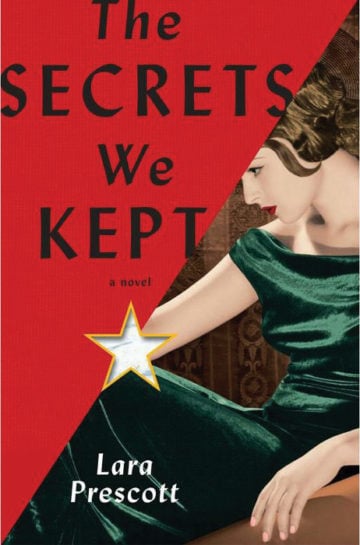
Despots suppress literature, a tacit acknowledgement of the power of stories. During the Cold War, the CIA took the opposite approach. From 1950 to 1991, it clandestinely dispersed as many as 10 million books—literary time bombs—throughout the Soviet bloc. And the agency orchestrated one of the oddest operations of the Cold War: the secret publication and distribution of Doctor Zhivago in Russia.