
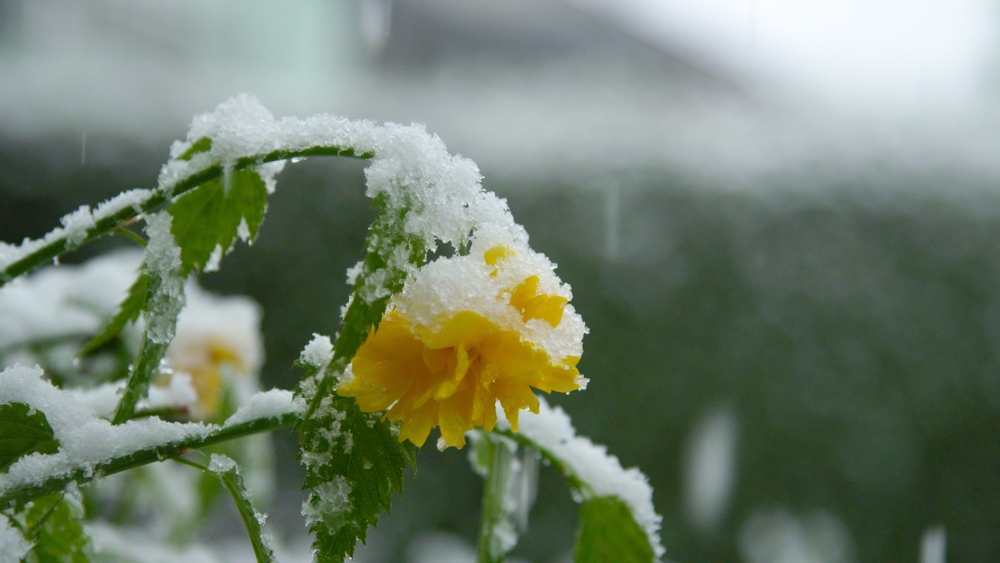
Winter is on the way, but your garden doesn’t have to hibernate in despair. While many gardeners throw in the towel when frost hits, the truth is that some annuals thrive in cold weather, adding color and life to dreary months. The secret isn’t magic or a greenhouse—it’s knowing which plants are built to endure the chill and how to care for them like a pro.
Choosing the right cold-weather annuals isn’t just about surviving frost; it’s about creating a vibrant, resilient garden that defies the winter gloom. Whether you’re a seasoned green thumb or a casual gardener, learning these tricks will save your plants and your sanity.

Understanding Cold-Weather Hardiness Is Key
Not all annuals are created equal when it comes to cold tolerance. Some plants shrivel at the first hint of frost, while others almost seem to revel in the crisp air. The trick is knowing the difference between true cold-weather survivors and tender plants that just look sturdy. Hardiness zones are your best friend here—they tell you the minimum temperatures a plant can endure without dying. Once you understand these zones, you can start narrowing down your options to the annuals that have a real shot at thriving.
Choosing Plants With Proven Survival Records
Experience matters more than looks when it comes to cold-weather gardening. Some annuals, like pansies and ornamental kale, have been tested over decades and consistently withstand frost. Experimenting with completely unknown species might work occasionally, but relying on proven performers drastically increases your chances of success. Garden centers often mark these hardy varieties, so pay attention to labels and descriptions. Selecting plants with a reputation for toughness will save you time, money, and heartbreak when winter hits.
Timing Your Planting Perfectly
Even the hardiest annuals need the right timing to establish strong roots before the cold really sets in. Planting too late means they may not have the resilience to survive harsh freezes. Conversely, planting too early could leave them vulnerable to unexpected cold snaps. The ideal approach is to calculate the average first frost date in your area and plant accordingly. Giving your plants a running start allows them to settle in and develop a robust root system capable of weathering winter.
Soil Preparation Can Make Or Break Your Garden
Cold-weather tolerance isn’t just about the plant—it’s also about where it grows. Well-draining soil prevents roots from sitting in freezing water, which is a common cause of winter plant failure. Adding organic matter like compost not only enriches the soil but also provides insulation for delicate roots. Mulching around your annuals creates an extra layer of protection, trapping heat and reducing temperature swings. Taking the time to prepare your soil carefully will dramatically improve your plants’ survival rate.

Using Microclimates To Your Advantage
Even within a single yard, temperatures can vary, creating microclimates that either help or hinder your plants. Walls, fences, and buildings can reflect heat and shelter annuals from harsh winds. Planting near these structures can give delicate cold-weather annuals a survival edge. Similarly, south-facing spots receive more sunlight, which can make a critical difference during freezing spells. Understanding and utilizing microclimates in your garden lets you place your plants strategically for maximum resilience.
Choosing Varieties With Adaptable Growth Patterns
Cold-weather annuals aren’t just about surviving frost—they need to continue growing and blooming in lower temperatures. Look for varieties with compact growth, dense foliage, and strong stems that can withstand icy winds. Plants that naturally grow low to the ground are often more resistant to frost damage. Some flowers even produce a second wave of blooms after a light freeze, adding unexpected beauty to your garden. Selecting adaptable varieties ensures your cold-weather annuals remain vibrant instead of just barely clinging to life.
Watering And Feeding Strategies In Winter
Even cold-hardy annuals need water, but overwatering can be a silent killer when the ground freezes. The key is consistent, moderate watering, ideally in the morning to let excess moisture evaporate before nightfall. Fertilizing should be done with care—too much nitrogen encourages soft growth that freezes easily. Opt for slow-release fertilizers that provide steady nutrients without shocking your plants. Proper hydration and feeding help your annuals maintain strength and resilience through fluctuating winter conditions.
Protecting From Wind And Ice Damage
Cold weather brings more than frost—it brings wind, ice, and sometimes snow that can physically damage your plants. Lightweight row covers, cloches, or even garden blankets can shield your annuals from the worst of these elements. Strategic placement near natural windbreaks, like hedges or fences, adds extra protection. Be sure to check your plants regularly and remove any accumulated ice or heavy snow that could crush foliage. These protective measures might feel extra, but they often make the difference between thriving plants and a winter disaster.
Your Cold-Weather Garden Can Thrive
Choosing the right cold-weather annuals isn’t about luck—it’s about knowledge, preparation, and strategy. By understanding hardiness, picking proven varieties, planting at the right time, and using microclimates and soil wisely, you can create a winter garden that’s full of life and color. Paying attention to watering, feeding, and protection will give your plants the best chance to survive and even thrive.
Have you discovered tricks for keeping your annuals alive in freezing temperatures, or do you have a favorite hardy flower? Share your stories, tips, or triumphs in the comments section below!
You May Also Like…
6 Cold Weather Herbs That Keep Producing Indoors
Why Straw Mulch Protects Roots in Cold Weather
10 Crops That Germinate Stronger in Cold Soil
5 Winter Prep Mistakes Gardeners Always Regret
How Storing Root Crops Extends Winter Food Supplies
The post The Secret to Choosing Cold-Weather Annuals That Actually Survive appeared first on Frugal Gardening.







