
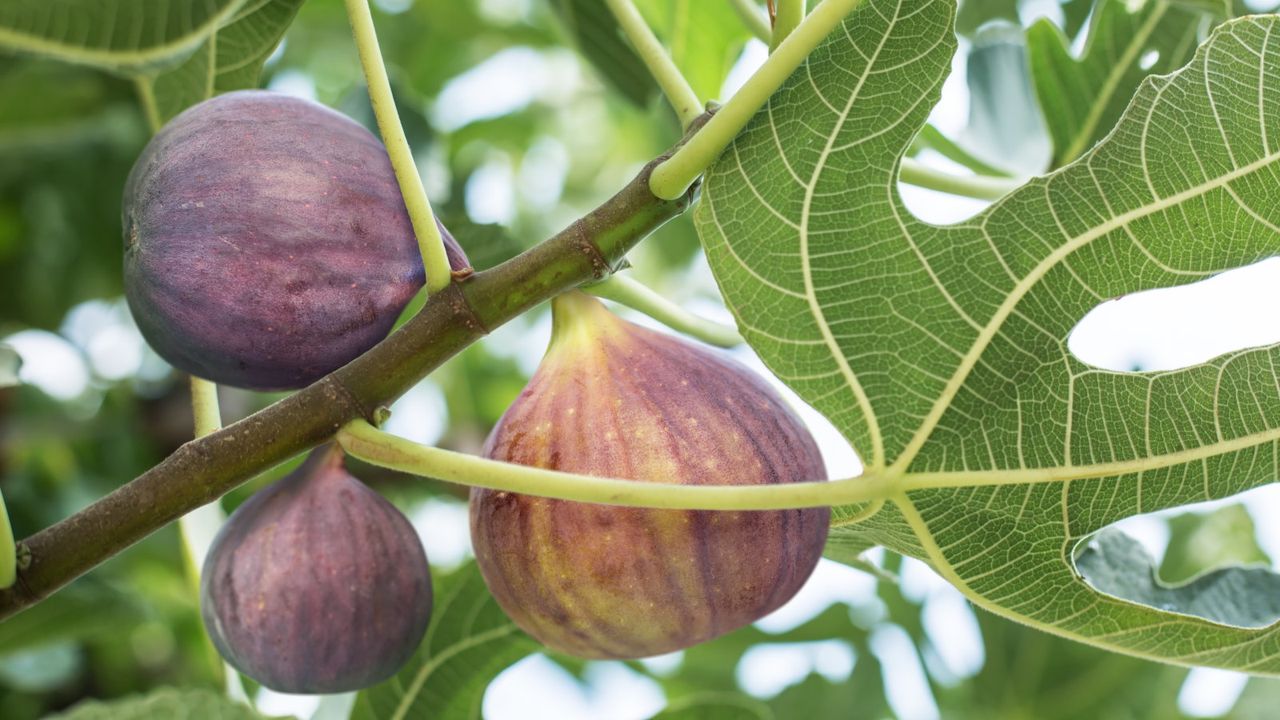
If your fig tree is producing plenty of leafy growth but no fruit, it is usually a sign that something is missing from its growing conditions. While figs are among the easiest fruit trees to grow in warm, sunny gardens, they need the right balance of light, warmth, water and pruning to produce an abundant crop.
The good news is that a fruitless fig tree can often be encouraged to crop with a few simple adjustments. And with figs developing and ripening through summer, now is the perfect time to check whether your tree is getting everything it needs to set fruit successfully.

To find out how to boost your harvest, we asked expert growers to share the three most effective ways to encourage a fig tree to fruit, from maximizing sunlight to avoiding common pruning mistakes. (And in case you're not growing a fig trees yet, the Fignomenal Fig Tree from Fast Growing Trees is a wonderful dwarf option, which is perfect for pots and smaller yards.)
1. Make Sure Your Fig is Getting the Heat it Needs
For successful growth of any plant, you need to provide growing conditions that are similar to their native environment.
With fig trees being native to Mediterranean climates, it's best to grow them in the warmer climates of US hardiness zone 7 to zone 11. They really need heat and warmth.
Unless it is specifically bred for colder climates, it is unlikely that a fig tree will produce fruit in cooler locations. This Chicago fig tree from Fast Growing Trees is cold hardy to zone 5, and still produces masses of fruit, so look out for this option if you don't always get the hottest summers.
'Fig trees need hot and fairly dry summer weather to produce fruit. They need plenty of sunlight to produce their delicious fruits,' says Annette Hird, expert gardener and fruit grower at Easy Urban Gardens.
'Being a Mediterranean plant, it doesn't like too much water in summer,' she adds.
If you are growing a fig tree in a container, try to move it to the warmest areas of your yard or next to a heat-retaining brick wall, to give it the best chance possible of producing fruit.
2. Prune Dead And Damaged Plant Material
Pruning a fig tree is one of the most effective ways to encourage it to produce more fruit. Left unchecked, vigorous growth can result in a dense canopy of branches and leaves, with the tree directing its energy into foliage rather than developing figs.
'Regular pruning encourages fruit production by directing the tree's energy. Trim off any excess branches that might be stealing resources from potential figs,' notes Evan Torchio, tree expert and CEO of Tree Mender.
Removing overcrowded, dead, damaged, or poorly positioned branches improves airflow and light penetration throughout the canopy while helping the tree concentrate its resources on fruiting growth. The result is often a healthier tree and a more reliable harvest.
Investing in quality pruning tools can also make the job easier. Sharp bypass pruners are ideal for smaller stems, such as these Corona bypass pruning shears from Amazon, while mature trees may require long-handled loppers or a pruning saw to tackle thicker branches. Gardening gloves, such as these Fiskars ones from Target are also an essential when doing any pruning.
3. Use a Potassium-Rich Fertilizer For Your Fig Tree
Just like fertilizing any fruit tree, providing your fig tree with the right food really makes a difference when it comes to productivity.
Not every fertilizer is right for every plant. Watch for the NPK plant fertilizer numbers and check the ratio of nitrogen, phosphorus and potassium in it. Each nutrient has a different boosting effect on plants, and you want to use one that is stronger in potassium and lower in nitrogen. A ratio of 10-10-20 would work.
'Fertilizer will help but it needs to have a decent amount of potassium to encourage fruiting and not be too high in nitrogen,' says Annette.
'Fertilizers that have somewhat similar ratios of potassium and nitrogen will work well. Fertilizers that are specifically formulated for citrus trees will also work well,' Annette suggests.
This specific fig tree fertilizer from Amazon is idea. You could also use citrus tree fertilizer, also from Amazon to help boost your delicious yields.
It can sometimes feel impossible to achieve, but with just a little bit of patience and by making the right adjustments, you can encourage your fig tree to produce delicious fruit.
Make sure to also winterize fig trees during colder months to protect them from harsher temperatures that may hinder their ability to produce fruit in summer.
And if you love inspiring garden ideas, outdoor advice, and the latest news, sign up for our newsletter and get the latest features delivered straight to your inbox.