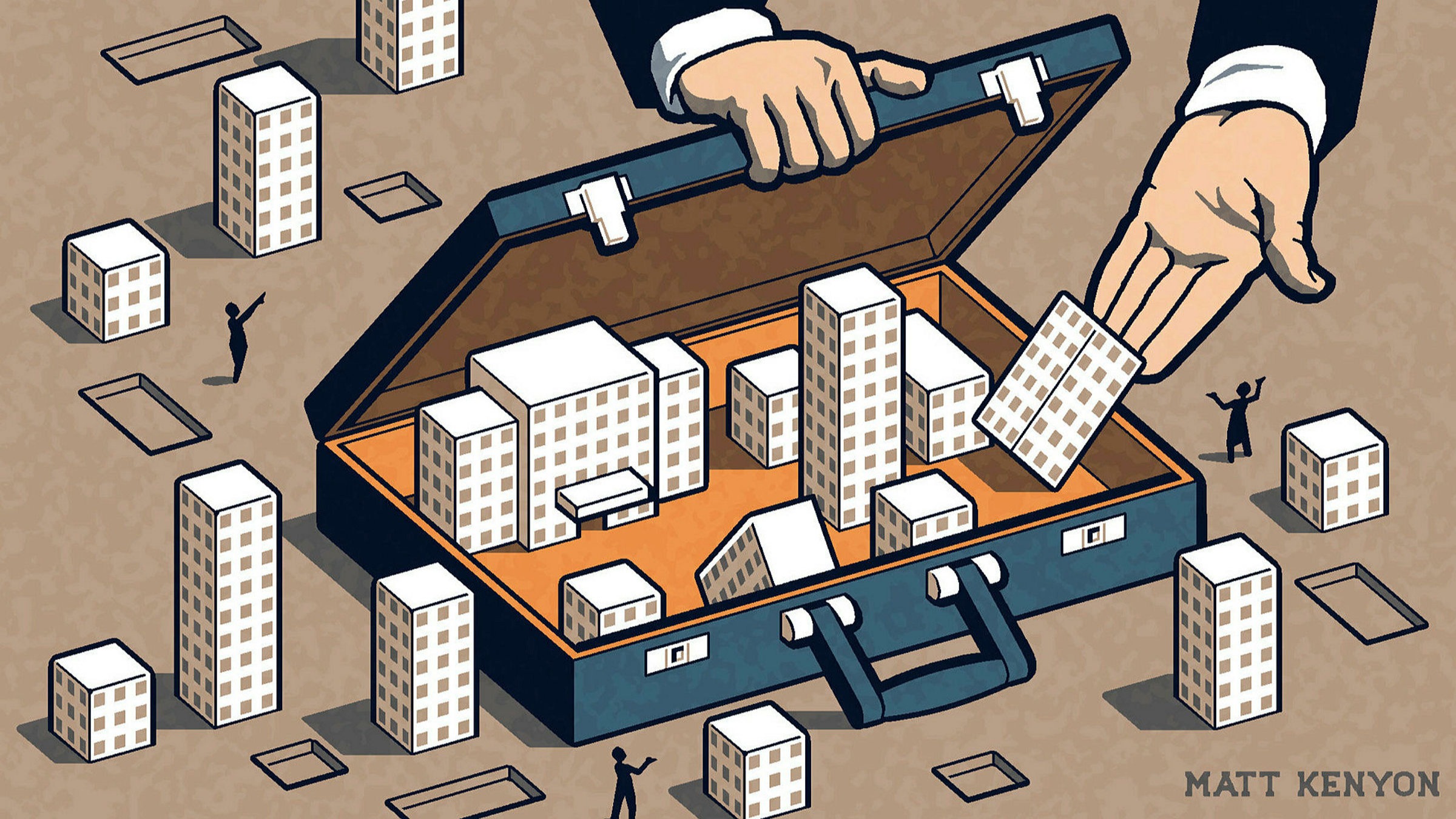
Perhaps the most devastating political legacy of the 2008 financial crisis was the sense among a large swath of the American population that the system was rigged. Homeowners and taxpayers took the fall, while big banks got bailed out and “nobody went to jail”, as financial reform activists still frequently point out.
The US Federal Reserve’s well-intentioned but necessarily inadequate (when not combined with smart fiscal policy) programme of quantitative easing raised wages a bit, but boosted asset prices significantly. The rich got richer, and inequality grew. And while the formal banking system was mostly brought to heel, money — like risk — moved into the shadows.