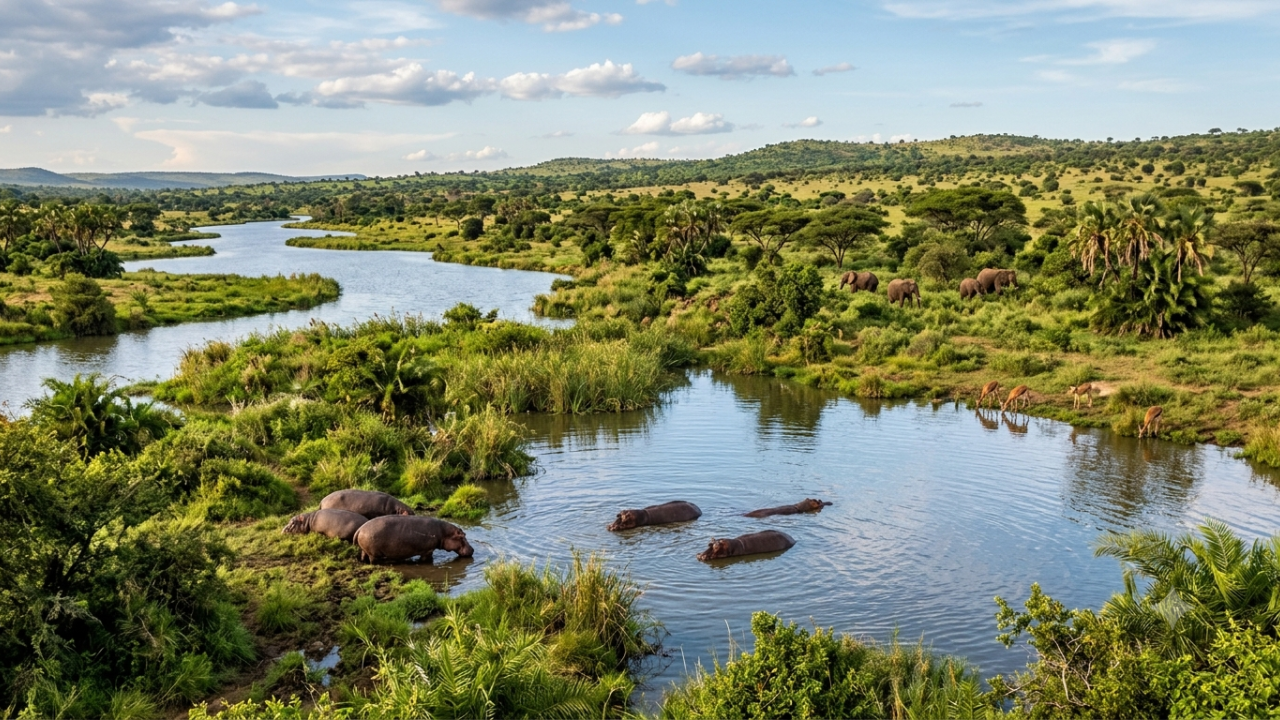
For most people, the Sahara is the ultimate symbol of endless sand, scorching heat and one of the harshest environments on Earth. Yet geology tells a remarkably different story. Beneath the dunes lie the remnants of ancient rivers, vast lakes and ecosystems that once supported hippos, crocodiles and thriving human communities. Scientists now know these dramatic transformations were not random events but part of a natural climate rhythm that has reshaped North Africa for millions of years. New research, combined with satellite discoveries and evidence preserved in ocean sediments, is revealing why the world's largest hot desert repeatedly turned green, how those fertile landscapes lasted for thousands of years, and why predicting the next Green Sahara is far more complicated than simply counting another 20,000 years on Earth's orbital clock.
Get breaking news anytime, anywhere. Download the TOI app now!