
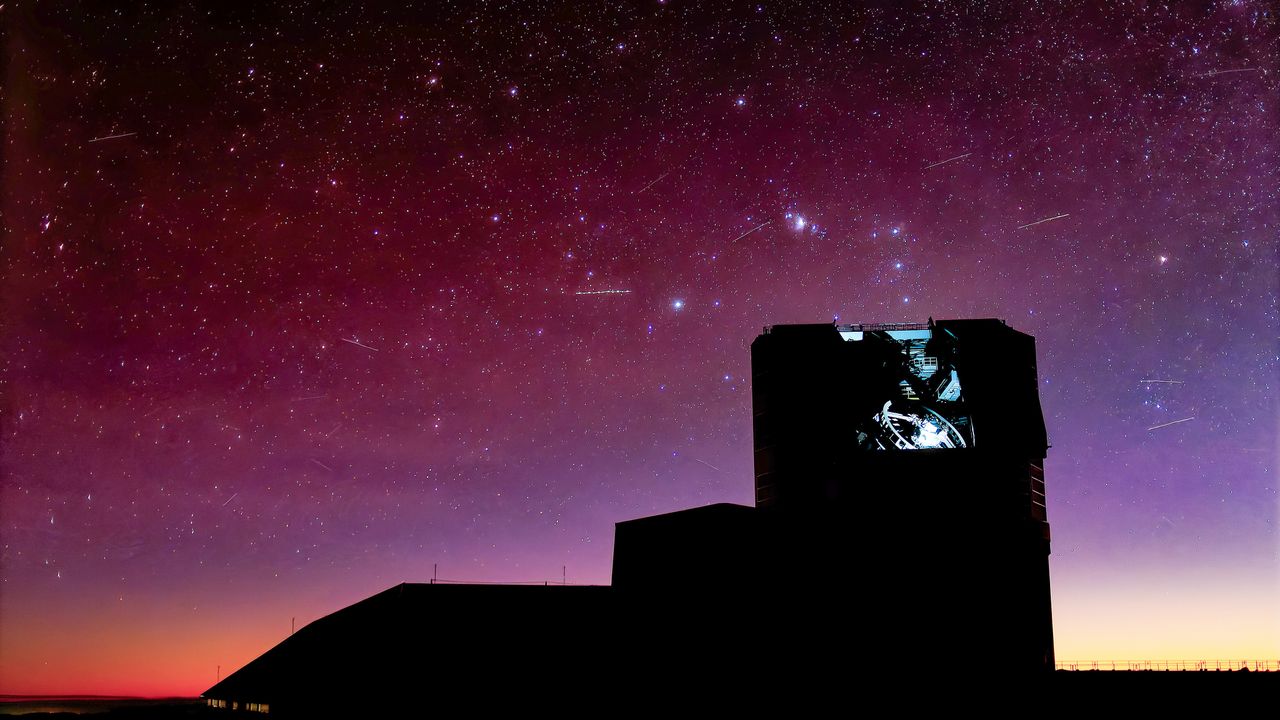
PHOENIX — In June of 2025, we were greeted with a set of space images so special that one scientist even deemed them worthy of the title "astro-cinematography." Indeed, they were unbelievable, dotted with TV-static-like dots representing millions of galaxies, printed with nebulas resembling watercolor canvases, and bursting with data about some of the farthest cliffs in our observable universe.
These were the first portraits to come out of the Vera C. Rubin Observatory, humanity's magical new cosmic watchkeeper fitted with the world's largest digital camera and a telescope with an enormous field of view. Rubin has the ability to thoroughly image the night sky over and over again from its vantage point atop Cerro Pachón in Chile, and with unprecedented efficiency at that. This is an instrument anticipated to revolutionize astronomy and reveal things about the universe we won't be able to fathom until we find them.













