
There’s a quiet shift happening in how we think about our homes – and it has nothing to do with square footage.
For years, bigger was better. Open-plan living dominated, walls came down, and rooms stretched endlessly into one another in the name of light, flow, and entertaining. But lately, I’ve found myself – and many of my clients – longing for something different altogether. Something softer. More personal. More romantic.

Designing like a romantic isn’t about excess or nostalgia. It’s about intentional intimacy. It’s about asking not, ‘How big can this feel?’ but, ‘How do I want to feel here?’

Our Maryland storybook project marked a real turning point for me. The home itself wasn’t large, but it had something far more valuable: soul. Rather than opening everything up, we worked with its natural rhythm – preserving the charm, keeping the smaller rooms, layering in texture, and allowing each space to hold its own identity. A dining room became more than a pass-through; it became a destination. A quiet office nook, tucked beneath a window, invited pause. Even the hallway started to feel like part of the story.
This approach is really about returning to intimacy, where a home is less about performance and more about presence. Spaces feel collected, emotional, and deeply human. Not everything is revealed at once – and that’s exactly the point.
Romantic design, at its best, thrives in rooms with edges.

There’s something deeply comforting about a space that knows exactly what it’s meant to be. A library that wraps you in quiet. A kitchen that hums with warmth rather than spectacle. A bedroom that feels like a slow exhale at the end of the day. These aren’t just rooms – they’re experiences. And they don’t demand more square footage, just more intention.
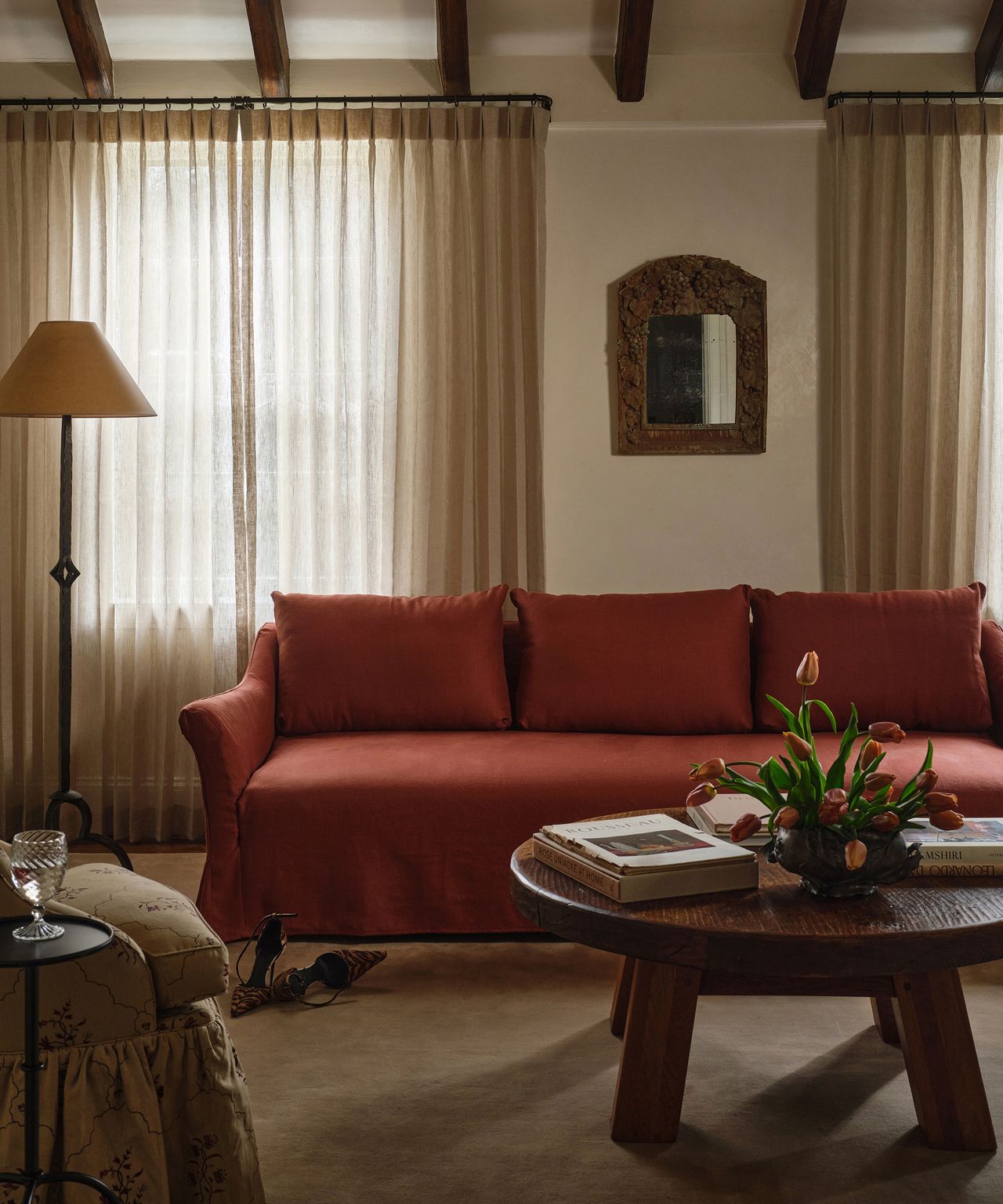
Cottages have always understood this instinctively, as has much of European architectural history. In many of our smaller projects, we’ve leaned into that clarity of purpose rather than fighting it. Instead of removing walls, we’ve softened and refined them – introducing arched doorways, layered drapery, and gentle thresholds that signal a change in mood. The result is a home that unfolds slowly, almost like a novel, rather than revealing everything at once.
Mood, after all, is built in layers.

It’s the patina on an antique table, the way late-afternoon light filters through linen curtains at around 5 p.m., the softness of well-worn upholstery, the quiet interplay of shadow and glow. It’s less about statement pieces and more about atmosphere. You don’t just see it – you feel it.
And perhaps most importantly, romantic design leaves room for imperfection. A slightly creaky floorboard, an off-center frame, a chair that’s been lived in for decades – these details add depth and honesty. They remind us that a home isn’t a showroom; it’s a living, evolving reflection of the people inside it.
As we move away from the era of endless open plans, I believe we’re rediscovering something essential: the beauty of boundaries. Not as limitations, but as invitations – to linger, to gather, to retreat.
Because in the end, the most memorable homes aren’t the biggest ones.
They’re the ones that make you feel something.