Introduction: The Growth of Peer-to-Peer Car Rentals
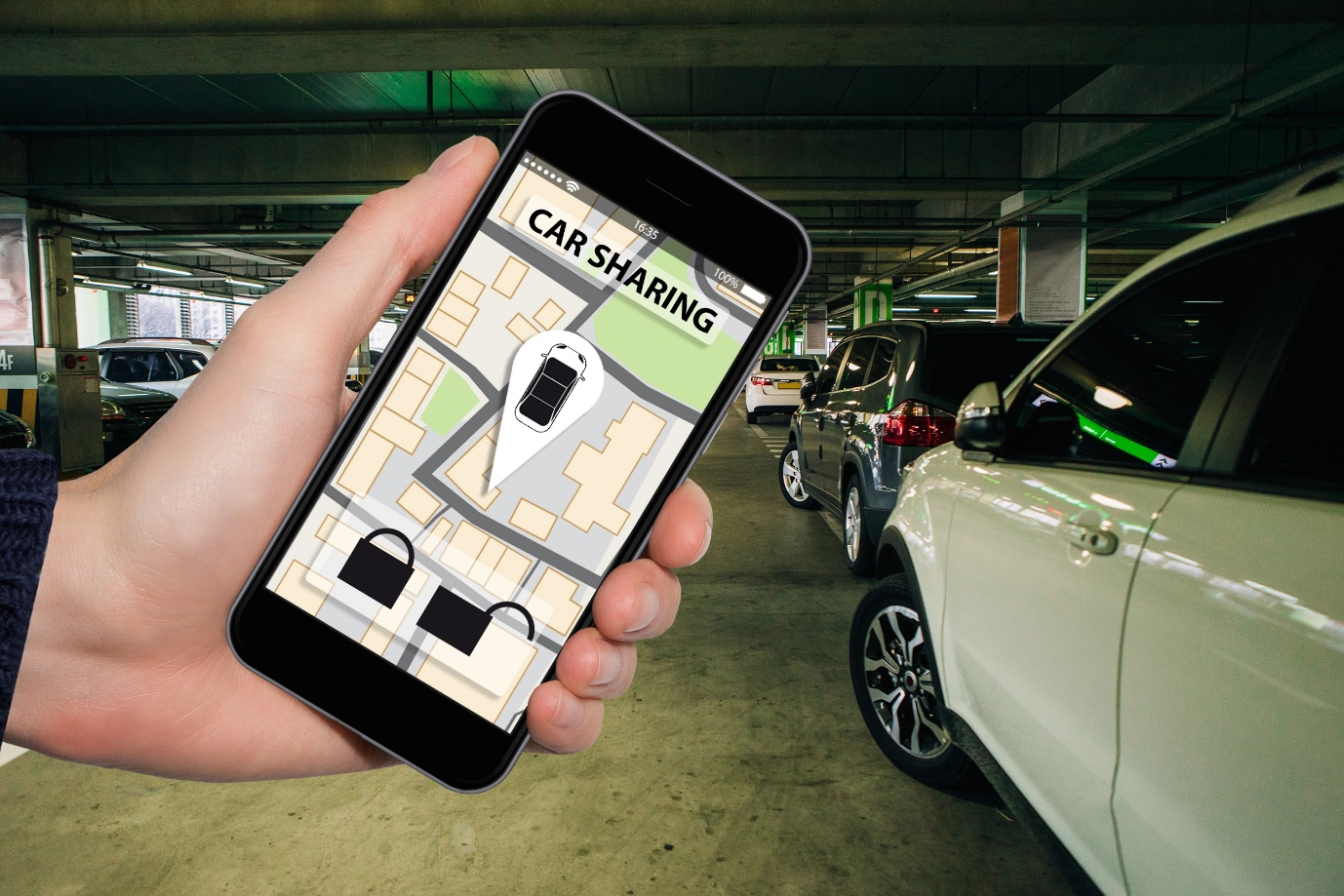
Peer-to-peer car rentals have seen a remarkable rise, reshaping the landscape of traditional car hire. Platforms like Turo have popularized the notion of car-sharing, allowing car owners to list their vehicles for rent while providing travelers with diverse and budget-friendly options. As more people look to avoid the commitments of ownership, this model offers both flexibility and convenience. Studies indicate a significant uptick in participation due to increased internet access and the push towards a sharing economy. The number of global car-sharing users grew to 57 million in 2024 and is expected to continue to rapidly grow. Such services not only meet consumer demands but also promote sustainable use of resources by optimizing the utility of existing vehicles.
The Genesis of Turo
The genesis of Turo represents a marketplace revolution that has innovatively brought together car owners and renters in a seamless platform. Conceived as the Airbnb for cars, Turo's model connects vehicle owners looking to earn extra income with individuals seeking convenient, short-term car rentals. This revolutionary model disrupts the conventional car rental sector by offering enhanced choices, often at lower costs. Additionally, the peer-to-peer aspect fosters community and trust through user reviews and ratings, making the whole process transparent and community-driven. By leveraging technology, Turo creates an efficient marketplace that reflects the shifting consumer preferences towards flexible, shared economies.
How Turo Works
Setting Up as a Car Owner
Setting up as a car owner on Turo is a straightforward process aimed at maximizing both convenience and profitability. To begin, owners need to create a profile and list their vehicle by providing essential details such as the make, model, year, and high-quality photos to attract potential renters. Turo also requires personal information and verification to ensure a secure and trustworthy environment.
Owners set their pricing, either manually or with Turo's automated pricing feature, which adjusts rates based on market trends and vehicle demand. Next, establishing availability is crucial—owners can use the calendar tool to block off dates when the car is not available. Turo's platform is user-friendly, allowing owners to easily communicate with renters, manage bookings, and monitor earnings. Benefits extend beyond just extra income, offering vehicle protection plans and an option to disable bookings during unfavorable periods. It's a flexible way for car owners to turn idle assets into revenue streams.
Renting Made Easy for Guests
For guests, renting a car on Turo is designed to be as easy and user-friendly as possible. The process begins with browsing the platform's extensive range of vehicles by entering your desired location and rental dates. Guests can filter results based on preferences like vehicle type, price range, and specific features to find the perfect match for their needs.
Once a suitable car is identified, guests simply create an account, verify their identity, and proceed with the booking request. Turo fosters transparency and trust by showcasing ratings and reviews from previous renters and allowing direct communication with car owners for any inquiries. Payment is secure and straightforward, encompassing rental fees and any optional extras like additional insurance.
On the day of rental, the pick-up process is streamlined, with many owners offering flexible arrangements, including contactless handovers. Turo's mobile app enhances convenience with real-time updates and easy access to booking details. Guests not only gain access to unique and personalized vehicle options but also benefit from competitive pricing compared to traditional car rentals.
Real Risks Faced by Renters on Turo
Examples of damage claims, liability disputes, and out-of-pocket costs
In the peer-to-peer rental landscape, damage claims and liability disputes are not uncommon. Renters might face allegations for damage that exceeds minor scrapes or wear and tear, prompting complex inquiries into responsibility. For instance, a renter may return a car with an unnoticed scratch, but the owner could later claim for more substantial damage.
Liability disputes often arise when there’s an accident involving multiple parties, and the determination of fault can become contentious. Without clear evidence, renters sometimes shoulder out-of-pocket expenses that reach beyond anticipated coverage, ranging from repair costs to legal fees. Such disputes underscore the critical need for thorough documentation and communication between owners and renters, ensuring that any potential disagreements are resolved fairly.
You can find on Reddit real-life examples of a Turo rental damage claim. One example involves a renter who returned an Audi RS3 in Los Angeles and was later accused by the host of causing "major damage" to the car. The renter had taken extensive precautions, including photographing the vehicle throughout the rental and guiding parking maneuvers to avoid any harm. Upon return, the host initially gave a five-star review but then submitted a claim for severe dings and scratches. The renter disputed the claim, providing return photos that showed no such damage. The host's photos, taken in a different location, highlighted dust and dirt as "damage," raising doubts about their validity. The renter's maximum liability was $500, with a $750 deposit pending return. The renter escalated the issue to Turo's claims department, using their own photographic evidence to contest the host's allegations
Another well-documented case highlights how a seemingly minor issue can escalate into significant expenses. Consider the story of a renter who returned a vehicle with a small dent after a minor parking mishap. Initially, the renter anticipated a nominal charge, reflecting typical wear. However, the owner presented a repair estimate significantly exceeding expectations due to the need for specialized paintwork and labor costs.
These cases underscores how minor damages sometimes demand comprehensive repairs, significantly inflating costs. Another anecdote involves a renter who faced unexpected charges after the car was scratched by a tree branch during a storm. The owner's decision to fix additional pre-existing issues led to a substantial bill, sparking a dispute over financial responsibility. These examples highlight the importance of reviewing and understanding Turo’s policies regarding damage and repairs.
Such stories serve as cautionary tales, emphasizing the need for renters to meticulously document the vehicle's condition before and after use, communicate openly with owners, and ensure they have adequate coverage to mitigate unforeseen financial burdens.
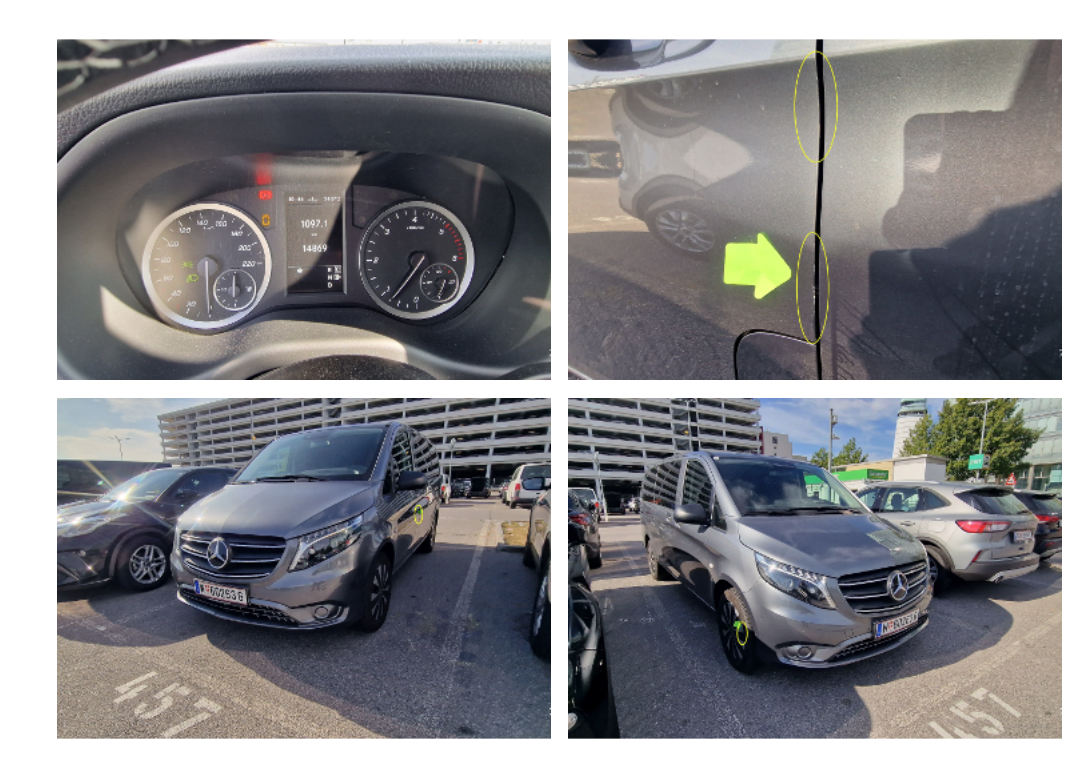
Image: Minor damage to rental car. Source: CarInsuRent
Why many renters don't realize they're underinsured until it’s too late
Many renters on platforms like Turo discover they’re underinsured only after encountering an incident. This oversight often arises from assumptions that personal insurance or credit card coverage suffices in peer-to-peer rentals. Unlike traditional rental companies, Turo's model shifts much of the responsibility to the renter, necessitating a deeper understanding of the coverage terms.
Misunderstandings frequently occur around the extent and limits of Turo's protection plans. Renters might opt for basic coverage believing it provides comprehensive protection, only to find certain damages or liabilities exceed their policy limits. When an incident occurs, like an accident, they face unexpected, hefty out-of-pocket expenses.
Additionally, some renters may inadvertently skip reviewing the fine print or assume coverage is equivalent across platforms, leading to insufficient protection. Accurate awareness and proactive selection of suitable insurance coverage are crucial to avoid the unpleasant surprise of insurance shortcomings when it's too late.
Insurance and Protection Plans
Comprehensive Coverage Options
Turo offers several comprehensive coverage options tailored to differing renter needs, providing varying degrees of protection and peace of mind. These options range from a basic plan, offering minimal coverage with higher deductibles, to a premier plan that includes lower deductibles and covers more extensive damage and liability.
The premier plan is particularly advantageous, offering up to $750,000 in third-party liability coverage. It also includes roadside assistance and diminishes the renter’s financial responsibility for potential damage to the vehicle. However, this comes at a higher daily cost compared to more basic plans.
Mid-tier options strike a balance, providing moderate coverage with reasonable deductibles, appealing to those who prioritize cost-efficiency alongside protection. Renters should carefully evaluate their individual needs, preferences, and the level of risk they are comfortable with when selecting a plan.
By understanding these comprehensive coverage offerings, renters can make more informed decisions, ensuring they have sufficient protection aligned with their trip requirements and potential exposures.
Balancing Risks and Rewards
Balancing risks and rewards when using Turo involves carefully weighing potential financial risks against the benefits of affordable and flexible car rentals. For renters, key risks include unexpected damage costs, liability issues, and underinsurance. To mitigate these risks, choosing an appropriate protection plan is crucial, even if it means incurring slightly higher upfront costs.
On the reward side, Turo offers a broad selection of vehicles, often at competitive prices, compared to traditional rental services. Renters can enjoy unique cars or luxury models, enhancing their travel experience. Additionally, Turo's flexibility in rental terms enables short or extended bookings based on the renter's needs, adding convenience.
Owners, too, must balance the risk of vehicle wear and potential damage with the income they can earn through rentals. They benefit from setting their rates and availability, giving them control over their rental operations. Ultimately, success on Turo depends on understanding these dynamics and making informed decisions to maximize benefits while managing potential downsides.
What CarInsuRent Covers That Turo May Not
CarInsuRent provides coverage that may fill gaps left by Turo’s protection plans, offering additional peace of mind for renters. One significant advantage is its focus on covering the excess amount, often hundreds to thousands of dollars, that a renter may be liable for under Turo's policies in the event of a claim. This means that even if Turo’s plan includes certain damages or accidents, CarInsuRent can help cover the deductible costs that often catch renters by surprise.
Furthermore, CarInsuRent often extends coverage to include additional events or incidents that Turo's policies may not fully address, such as specific types of damage or liability arising in certain jurisdictions. This broader cover can be particularly beneficial for those traveling through different regions where vehicle insurance rules vary.
By complementing Turo's options, CarInsuRent provides a safety net that protects renters from financial pitfalls, ensuring that unexpected costs don't undermine the benefits of using a peer-to-peer rental platform. This supplementary approach ensures that renters can focus on their travels with reduced risk and enhanced security.
Benefits of Using Standalone Car Hire Excess Insurance
Avoiding surprise costs or policy exclusions
Avoiding surprise costs or policy exclusions begins with thorough research and understanding of the chosen insurance coverage. Many renters fall prey to unexpected charges because they overlook the fine print or don't fully understand the policy limitations.
Firstly, it’s essential to read through Turo’s protection plan details, focusing on exclusions like certain types of damage (e.g., glass or tire damage) that might not be covered. Renters should also take note of the deductible amounts, which can present significant out-of-pocket expenses if a claim is needed.
Standalone car hire excess insurance like CarInsuRent can mitigate these surprises by covering the deductible amounts excluded from Turo’s plans, as well as additional scenarios that might incur costs in a claim.
Communicating with the car owner before booking can also help clarify what is and isn't covered, as some owners might have specific stipulations. By taking these precautionary steps, renters can better protect themselves against unforeseen expenses and enjoy a more seamless car rental experience.
Comparing prices: Turo’s protection vs. CarInsuRent’s coverage
Comparing the price points of Turo’s protection plans against CarInsuRent’s coverage reveals intriguing insights that can influence renter decisions. Turo offers a range of plans, with their premier plan often being the most comprehensive but also the most costly. This plan typically covers up to $750,000 in liability but comes with substantial daily costs, often offset by high deductibles in case of a claim. Meanwhile, their basic plans are cheaper upfront but may leave renters exposed due to higher excesses and limited coverage for certain damages.
In contrast, CarInsuRent provides an affordable alternative through its flat-rate, standalone policy designed to cover excess charges. This coverage is usually more cost-effective than Turo’s extensive protection plans, especially for longer rental periods, as it offers a consistent rate without a per-day increase. CarInsuRent covers the excess for numerous insurers, thus potentially saving renters from significant out-of-pocket expenses.
For cost-conscious renters, CarInsuRent’s appealing rates present a viable option when coupled with a basic Turo plan—balancing upfront costs with robust protection. However, renters should tailor their choice based on their risk tolerance, travel duration, and destination specifics. This strategic approach allows them to manage costs efficiently while maintaining comprehensive coverage across any unforeseen incidents that might occur during their rental period. By evaluating these factors, renters can strike an optimal balance between coverage adequacy and expense, ensuring a worry-free and financially prudent rental experience.
Conclusion: Protect Yourself the Smart Way
Renting a car through Turo provides unparalleled flexibility and a wide range of vehicle options, but it's critical to ensure you're adequately protected. By understanding the nuances of Turo’s protection plans and considering additional coverage options like CarInsuRent, you can safeguard yourself against unexpected costs and liabilities. Taking the time to thoroughly review all aspects of your insurance choices will help prevent unpleasant surprises.
Being proactive with an insurance checklist ensures you cover all bases — from understanding coverage details to documenting vehicle conditions. These precautions allow you to enjoy the advantages of peer-to-peer car rentals without unnecessary worry.
Ultimately, protecting yourself the smart way on Turo means striking the right balance between cost, convenience, and comprehensive coverage. With a clear strategy and informed choices, you're free to focus on your journey, assured that you've minimized risks and maximized peace of mind.