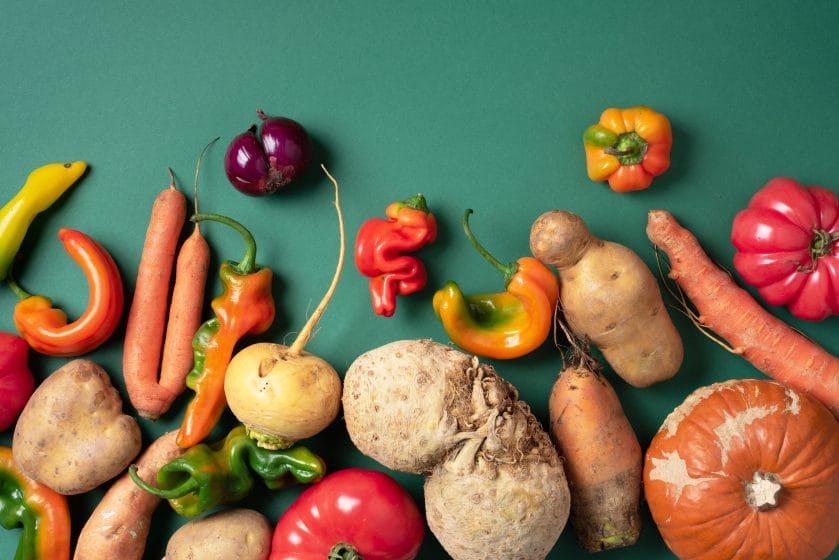
In the quest for visual perfection, American grocery stores have historically rejected billions of pounds of produce simply because it looked different. Apples with spots, carrots with twists, and peppers with odd shapes were discarded before they ever reached the consumer. However, in 2026, a major cultural and economic shift occurred. High food prices have forced retailers to rethink their standards, leading to the mainstream adoption of “Imperfect” or “Misfit” produce lines. These ugly fruits and vegetables are not just an eco-friendly choice; they are the secret weapon for shoppers looking to slash their fresh food budget by thirty percent or more.

The Rebranding of Waste
Retailers like Kroger, Walmart, and Whole Foods have launched dedicated private-label lines for this produce, often with cute names like “Peculiar Picks” or “Misfits.” By branding these items, they have removed the stigma of buying “second-class” food. Shoppers are realizing that a twisted carrot tastes the same as a straight one once it is chopped for a soup. This rebranding has turned what was once considered waste into a value-added product tier that appeals to the eco-conscious and the budget-conscious alike.
The Price Gap
The savings are substantial. A bag of “perfect” Honeycrisp apples might cost three dollars a pound. A bag of “imperfect” Honeycrisps—which might vary in size or have minor surface blemishes—often sells for under two dollars a pound. For a family that goes through a lot of produce, switching to the imperfect line for staples like potatoes, onions, apples, and citrus can save hundreds of dollars a year. The discount is possible because the retailer acquires this inventory for pennies on the dollar from farmers who previously had no market for it.
Perfect for Cooking

The rise of home cooking has fueled this trend. Shoppers have realized that aesthetic perfection does not matter for ingredients that are going to be peeled, chopped, and cooked. An oddly shaped bell pepper creates the same fajitas as a perfect one. A bruised tomato makes the same delicious pasta sauce. Imperfect produce lines allow shoppers to pay for the utility of the food, rather than its beauty.
Reducing Food Waste
Beyond the wallet, this trend is a massive win for the planet. Food waste is a significant contributor to greenhouse gas emissions. By creating a market for “ugly” food, retailers are ensuring that the resources used to grow that food—water, labor, and land—are not wasted. Shoppers feel good about participating in a system that values substance over style.
Availability is Improving
Initially, these lines were sporadic. Now, due to high demand, they are becoming permanent fixtures in the produce aisle. Farmers are deliberately harvesting and packing their “seconds” for retail rather than plowing them back into the field. This reliable supply chain means shoppers can plan their weekly menus around these lower-priced items with confidence.
The Beauty of Savings
The “ugly” produce trend proves that consumers are becoming smarter and more pragmatic. We are no longer willing to pay a “beauty tax” for our food. By embracing the natural variation of agriculture, shoppers are forcing the industry to become more efficient and more affordable. The most beautiful thing in the produce aisle today is the money you save by choosing the ugly fruit.
Have you tried buying imperfect produce? Do you notice a difference in taste or quality? Let us know your experience!
What to Read Next
12 Produce Hacks That Keep Fruits Fresh for Weeks
Here Are 10 Things You Need to Know About GMO Fruit
10 Seasonal Fruits That Save When Bought in Bulk
6 Reasons You Should Never Buy Cut Fruit From The Grocery Store
Tips for selecting the juiciest fruits at the grocery store
The post The Rise of ‘Imperfect’ Produce Lines: How Ugly Fruit Is Saving Shoppers 30% appeared first on Grocery Coupon Guide.