
Get all your news in one place.
100’s of premium titles.
One app.
Start reading
Ideal Home
Ideal Home
Kezia Reynolds

The RHS is urging gardeners to check their gardens for a rare, pink daffodil this spring

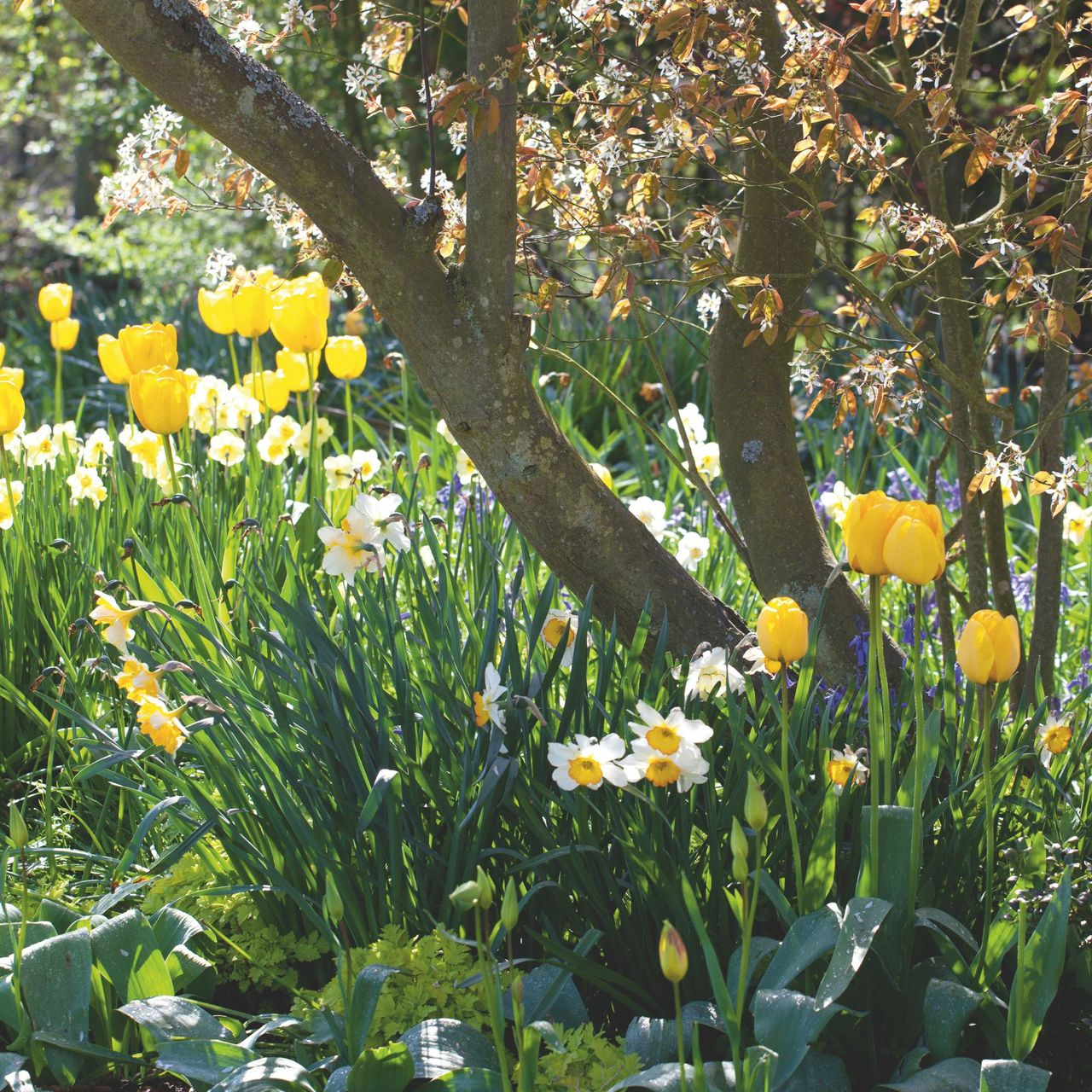
Yellow tulips and daffodils growing next to tree in garden.

The RHS is urging gardeners to check for a rare pink daffodil in their gardens this spring, as part of a nationwide effort to protect and conserve the flower.

Planting daffodils is always a popular choice for gardens across the country. For many, these trumpet-shaped blooms are the first sign of spring, while their bold yellow heads instantly brighten up any garden.

The RHS’s Daffodil Diaries, a scheme determined to map out the UK’s daffodils and locate three rare or historically significant varieties, is back for its second year. But they can’t do it without your help. Here’s how you can get involved and do your bit for daffodil conservation.

(Image credit: Future PLC/ David Brittain)

From the Big Garden Birdwatch to counting daffodils in your garden, there are plenty of ways to contribute to plant and wildlife conservation in the UK. And it is so easy to get involved.

The RHS is asking people to log where daffodils are blooming in their local area, as well as providing basic information about the plant, including colour, type and height. This information is then used by scientists to understand the different environmental influences on daffodils, buyer preferences and the spread of the flower.

There is also the exciting incentive track down three at-risk or thought to be extinct daffodils. The RHS says that locating these three daffodils will help us better understand our gardening heritage, aid their survival and even enable the preservation of genetic material that can be used for breeding future daffodils.

And what are these three daffodils? I hear you ask. Here are their names and what to look out for:

  • Mrs R.O. Blackhouse - one of the first pink daffodils, it has a solid coral pink trumpet and ivory flowers. It is thought to exist in national collections, but its whereabouts are unknown.
  • Mrs William Copeland - This stunning bloom is recognisable by its white, double-flowered head. It was named after the wife of the daffodil breeder WFM Copeland.
  • Sussex Bonfire - this is a double-flowered yellow and orange daffodil bred by amateur breeder Noel Burr. Sussex Bonfire has never been located.
(Image credit: Getty Images)

This conservation call to action comes 100 years after RHS scientist James Kirkham Ramsbottom was honoured for his work in developing a treatment against eelworms, which ‘saved’ daffodil from extinction.

To get involved, all you need to do is submit any information and images via the RHS website - especially if you think you’ve found a rare species. Not only are you doing your bit for daffodil conservation, but it is a beautiful and relaxing way to spend a spring afternoon.

‘Daffodils have come to mark the arrival of spring and are celebrated for their welcome burst of colour in gardens, parks and roadsides,' says Dr Kálmán Könyves, Principal Scientist in the Cultivated Plant Diversity team at the RHS and expert in classifying and recording daffodils.

‘But there’s more to this ubiquitous yellow flower than meets the eye, with 31,000 known varieties available in green, pink and red. Understanding where they can be found will help us in preserving this diversity for the future.’

Daffodil varieties we love

Daffodil Diaries runs from now until 4 May, so go on, get out there and start counting!

Sign up to read this article
Read news from 100’s of titles, curated specifically for you.
Already a member? Sign in here
Related Stories
Top stories on inkl right now
One subscription that gives you access to news from hundreds of sites
Already a member? Sign in here
Our Picks
Fourteen days free
Download the app
One app. One membership.
100+ trusted global sources.