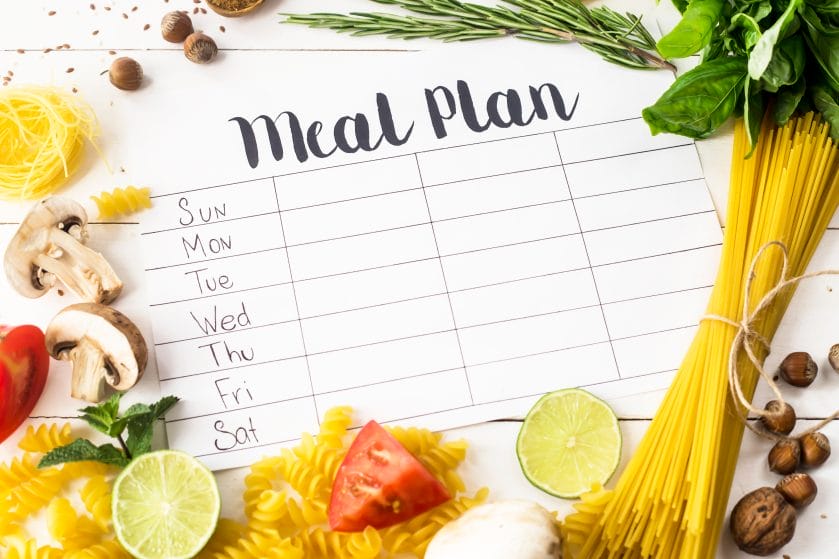
For decades, home economists and budget gurus have preached the gospel of the weekly meal plan as the ultimate tool for saving money. The traditional advice suggests that you should sit down on Sunday and decide exactly what you want to eat for the next week. Then create a rigid shopping list based on those recipes, and buy only what is written on that paper. While this method certainly prevents impulse buying, it contains a fundamental financial flaw that often leads to overspending. By deciding what you want to eat before you know what costs the least, you voluntarily surrender your leverage as a consumer. The “Reverse Meal Planning” method flips this script entirely. It demands that you shop first and plan second.

The High Cost of Specificity
Traditional meal planning imposes a “tax on specificity” that silently drains your budget. If you decide on Monday that you will cook chicken parmesan on Thursday, you commit yourself to buying chicken breasts, marinara sauce, and mozzarella cheese regardless of their current price. If chicken breasts happen to be six dollars a pound that week, you buy them anyway because the plan demands it. You effectively sign a contract to pay full retail price for every ingredient. Reverse meal planning eliminates this obligation by treating the grocery store’s weekly flyer as the menu. You do not decide to make chicken parmesan until you see that chicken breasts are marked down to two dollars a pound.
Letting the Flyer Be Your Guide
The process begins not with a cookbook, but with the store’s weekly circular. You scan the front page to identify the loss leaders—the products and produce the store is selling at a loss to get you in the door. If pork shoulder is eighty-nine cents a pound, your family is eating pulled pork or carnitas this week. If asparagus is in peak season and selling for a dollar a bunch, asparagus becomes your vegetable side dish. By building your meals exclusively around these deep discounts, you ensure that the most expensive components of your dinner are always purchased at their historic lows.
Reducing Food Waste Through Flexibility

Rigid meal plans often lead to waste because life rarely goes according to schedule. You might plan a complex stir-fry for Wednesday, but if you work late and order takeout, those specific fresh vegetables sit in the fridge and rot. The Reverse Meal Plan encourages a “pantry-first” mentality. That’s where you combine your fresh sale items with shelf-stable goods you already own. Since you are not hunting for specific, obscure ingredients, you are less likely to buy high-dollar items you use once and then discard. You learn to cook with broad strokes. This inherently reduces the amount of specialized waste your kitchen produces.
The Seasonal Alignment Benefit
This method naturally aligns your diet with the agricultural calendar, which offers both financial and nutritional dividends. Produce is always cheapest and tastiest when it is in season locally. A traditional planner might insist on buying strawberries in January for a specific salad, paying a premium for tart, imported fruit. The reverse planner sees that citrus is the cheap seasonal crop in January and pivots to an orange and fennel salad instead. This fluidity ensures you are always eating food at its peak quality while paying the bottom-barrel price.
Breaking the Recipe Tyranny
Many home cooks feel paralyzed without a step-by-step instruction manual for dinner. Reverse meal planning forces you to develop “component cooking” skills rather than following recipes by rote. You learn that any grain, plus any roasted vegetable, plus any protein, and a simple sauce make a complete meal. This freedom allows you to look at a sale on ground turkey and a sale on bell peppers and instantly conceive a stuffed pepper dish without needing to consult a book first.
The Financial Impact
Shifting from proactive planning to reactive shopping can reduce a grocery bill by thirty percent or more without reducing the volume of food purchased. You stop fighting the market and start riding its waves. By letting the store tell you what is for dinner, you ensure every dollar is optimized for value.
What to Read Next
Is the Toni Fine 6-Week Detox Meal Plan Worth the $60 Price Tag?
5 Genius Meal Planning Hacks That’ll Make Your Life So Much Easier
Meal Planning for Truck Drivers for a Healthy Lifestyle
Avoiding Food Waste: How Meal Planning Can Save You Hundreds to Budget for Household Utilities
How Meal Planning and Cooking Can Be Improved With a Better Kitchen
The post The “Reverse Meal Planning” Method: How to Slash Your Grocery Bill by Letting the Store Dictate Your Menu appeared first on Grocery Coupon Guide.