Get all your news in one place.
100’s of premium titles.
One app.
Start reading
Fashion Times
Fashion Times
Lifestyle
Lara Galan

The Real Reason Fashion Houses Keep Replacing Creative Directors in Today's Luxury Industry

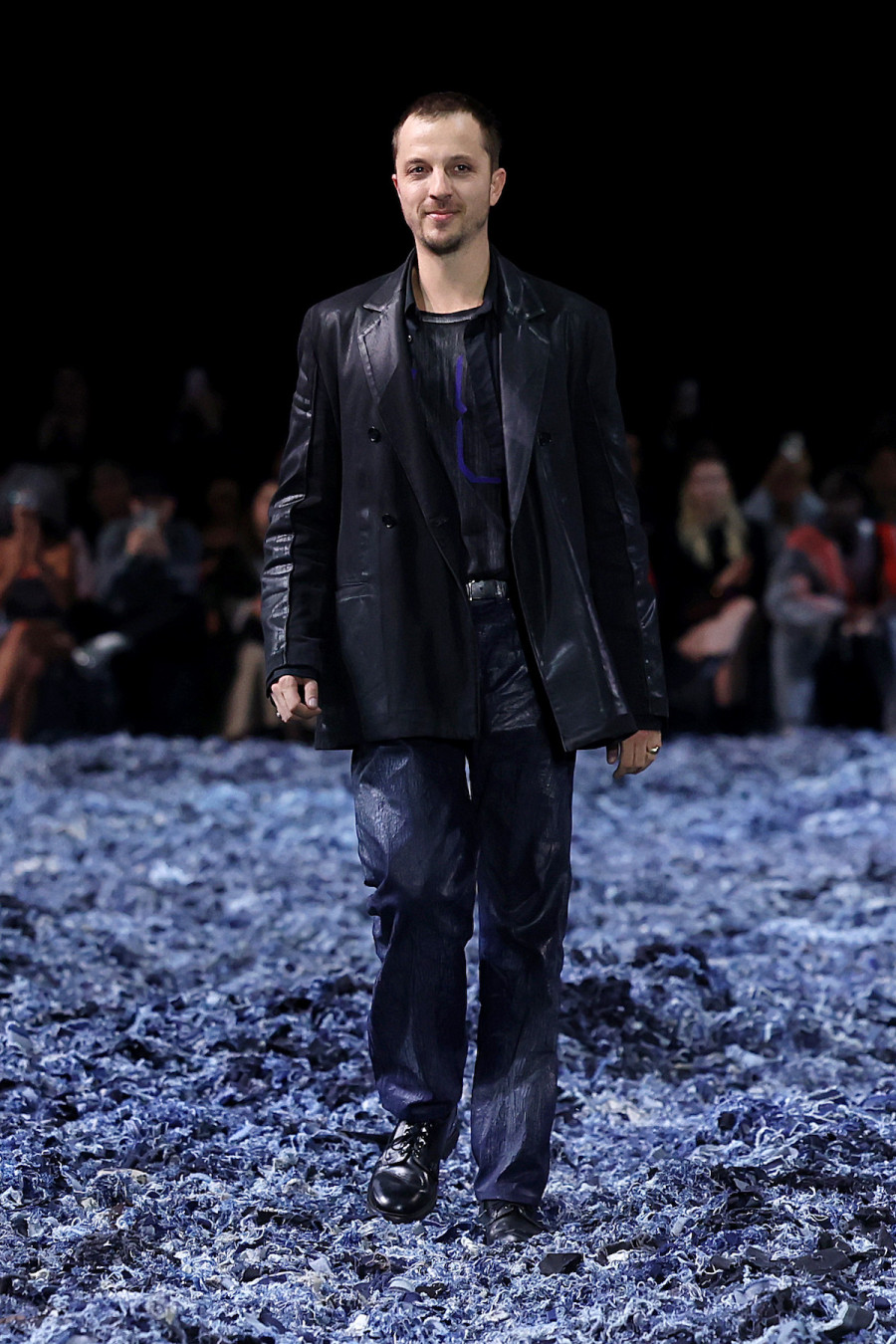
Glenn Martens at the Diesel Spring 2025 runway show. (Credit: Courtesy of Vittorio Zunino Celotto/Getty Images)

In recent years, the fashion industry has witnessed an unprecedented wave of leadership turnover. Luxury fashion houses that once relied on decades-long creative stewardship now change creative directors every few years or sometimes even sooner. These frequent transitions raise questions about stability, brand identity, and the evolving role of creative leadership in fashion.

Understanding why fashion house changes have become so common requires a closer look at how the role of the creative director fashion has expanded, how luxury brands operate today, and how external pressures shape luxury brand leadership decisions.

The Expanding Role of the Creative Director in Fashion

Traditionally, a creative director's primary responsibility was design, basically overseeing collections and defining the brand's aesthetic. Today, the role extends far beyond the runway.

Modern creative directors are expected to:

  • Shape brand storytelling across digital and physical platforms
  • Drive cultural relevance and media visibility
  • Collaborate with marketing, celebrity relations, and merchandising teams
  • Deliver commercial results alongside creative innovation

This expansion has increased both influence and pressure. As a result, the creative director fashion role has become more demanding, with performance measured not only by critical acclaim but also by financial metrics and social engagement.

Why Do Fashion Houses Change Creative Directors So Often?

Several interconnected factors contribute to frequent leadership changes in luxury fashion.

Key Drivers Behind Fashion House Changes

  • Commercial pressure: Luxury brands operate in highly competitive markets where sales growth is closely monitored. Creative visions that fail to convert into revenue may be cut short.
  • Accelerated trend cycles: Social media and digital fashion culture demand constant novelty, shortening creative lifespans.
  • Shifting consumer values: Sustainability, inclusivity, and authenticity increasingly influence buying decisions, forcing brands to pivot creatively.

These pressures often place creative directors in a narrow window to prove success, accelerating turnover across the industry.

The Tension Between Creativity and Commerce

Luxury fashion has always balanced art and business, but the scale of today's global fashion houses intensifies that tension.

On one hand, creative directors are hired to disrupt, innovate, and redefine brand codes. On the other, luxury conglomerates require predictable performance and global consistency. This tension often leads to misalignment between creative ambition and corporate expectations.

When visions diverge, fashion house changes become a strategic response rather than a creative failure.

How Corporate Ownership Shapes Luxury Brand Leadership

The rise of multinational luxury groups has transformed how fashion houses are managed. Decisions around luxury brand leadership are increasingly influenced by long-term portfolios rather than individual brand legacies.

Corporate Priorities That Impact Creative Leadership

  • Brand scalability across global markets
  • Cross-category expansion (beauty, accessories, lifestyle)
  • Risk management and investor confidence

While corporate structures provide financial stability, they can limit creative autonomy. Creative directors working within these systems face tighter timelines and clearer performance benchmarks, making leadership turnover more likely when expectations are not met.

The Impact of Creative Director Turnover on Brand Identity

Changing creative directors can refresh a brand, but it also carries risks. A strong creative identity takes time to develop, and frequent shifts can dilute brand recognition.

Potential consequences include:

  • Inconsistent visual language across collections
  • Confused brand positioning among consumers
  • Short-term hype without long-term loyalty

However, leadership changes can also revive stagnating brands, attract new audiences, and reposition heritage labels for modern markets. The outcome often depends on how transitions are managed and communicated.

Veronica Leoni is the new creative director of the Calvin Klein Collection. (Credit: Courtesy of Collier Scharr/Calvin Klein)

Are Fashion Houses Asking Too Much of Creative Directors?

The scope of responsibility placed on creative directors continues to grow. Beyond design, they are now expected to act as cultural commentators, public figures, and brand ambassadors.

Common Pressures Faced by Creative Directors

  • Constant public scrutiny on social media
  • Rapid production timelines and multiple annual collections
  • Balancing innovation with respect for brand heritage

These demands contribute to burnout and shortened tenures, making fashion house changes not just strategic decisions but also human ones.

Will Creative Director Turnover Continue?

Industry trends suggest that leadership volatility is unlikely to slow down soon. As fashion becomes increasingly intertwined with technology, culture, and global commerce, the expectations placed on creative director fashion roles will continue to evolve.

Some fashion houses are exploring alternative leadership models, including:

  • Collaborative design teams
  • Longer transition periods between appointments
  • Clearer separation between creative and commercial responsibilities

These approaches may redefine luxury brand leadership, but for now, frequent creative turnover remains a defining feature of modern fashion.

Conclusion

The constant rotation of creative directors reflects broader structural changes within the fashion industry. Rising commercial pressures, faster trend cycles, corporate oversight, and evolving consumer values all contribute to ongoing fashion house changes.

Rather than signaling instability, these transitions reveal how demanding and complex the creative director fashion role has become. As luxury brands navigate the future, leadership models may shift, but the tension between creativity and commerce will continue to shape luxury brand leadership decisions.

Frequently Asked Questions

1. What does a creative director do in a fashion house?

A creative director oversees the brand's visual identity, collections, and storytelling, influencing everything from runway shows to marketing campaigns.

2. Why do luxury brands replace creative directors so frequently?

Luxury brands face intense pressure to stay culturally relevant and commercially successful, leading to frequent leadership changes when expectations are not met.

3. Do fashion house changes affect brand loyalty?

Yes, frequent changes can confuse consumers, but they can also attract new audiences if transitions are handled strategically.

4. Is creative director turnover likely to slow down in the future?

While some brands are experimenting with new leadership structures, industry trends suggest that creative director turnover will remain common in the near term.

Sign up to read this article
Read news from 100’s of titles, curated specifically for you.
Already a member? Sign in here
Related Stories
Top stories on inkl right now
One subscription that gives you access to news from hundreds of sites
Already a member? Sign in here
Our Picks
Fourteen days free
Download the app
One app. One membership.
100+ trusted global sources.