
Get all your news in one place.
100’s of premium titles.
One app.
Start reading
Times Pets
Times Pets
Aradhana Jha

The Psychology Behind Dogs Attacking Their Owners

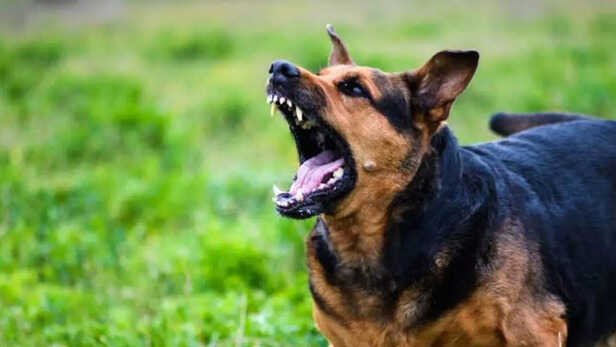
Dogs are well-known for their loyalty, affection, and strong emotional attachment to humans. This is why cases of dog biting their owners are so astonishing and alarming. But, in most cases, dog biting their owners is not an act of randomness. It is most probably due to fear, stress, pain, trauma, or misunderstandings. Here are some of the reasons:-

Fear and survival instinct

Fear is one of the most common psychological causes of dog aggression. If the dog feels that it cannot escape, it will fight instead. Even a beloved owner can be seen as a threat when a dog is extremely frightened. Physical punishment, shouting, or touching can be so frightening that a dog may turn to defensive aggression.

Pain and medical issues

Aggression can also arise from physical discomfort. Dogs with arthritis, infections, dental issues, or neurological issues can become cranky. When petted around the painful area, they may instinctively bite or snap. In these instances, the aggression is not a result of a change in temperament but rather a lack of pain management.

Resource guarding behaviour

Dogs have an instinctual need to defend valuable resources like food, toys, sleeping areas, or even people. This particular behavior, called resource guarding, is an adaptation from their survival instincts. When an owner tries to take away a guarded resource, they may attack.

Lack of early socialization

Early socialization is a crucial aspect of a dog’s emotional well-being. If they are exposed to new situations, they may perceive normal human behavior as a threat. Without confidence-boosting experiences during key developmental periods, fear-based reactions become a more probable outcome as the dog matures.

Misinterpretation of warning signs

Aggressive episodes seldom happen without warning signs. Dogs exhibit signs of discomfort through subtle behaviors like stiff posture, avoidance, growling, or bared teeth. Ignoring or punishing these signs may lead to the dog bypassing the warning signs and going straight to biting. Ignoring a growl, for instance, does not decrease aggression; it decreases the warning system. Many bites result from a pattern of ignored communication.

The myth of dominance

For many years, dog aggression has been attributed to the need to dominate the owner. Contemporary behavioral knowledge disputes this theory. Most instances of dog aggression are associated with fear, anxiety, confusion, or poor training and not with the need to dominate.

Celebrate the bond with your pets, explore Health & Nutrition, discover Breeds, master Training Tips, Behavior Decoder, and set out on exciting Travel Tails with Times Pets!

Sign up to read this article
Read news from 100’s of titles, curated specifically for you.
Already a member? Sign in here
Related Stories
Top stories on inkl right now
One subscription that gives you access to news from hundreds of sites
Already a member? Sign in here
Our Picks
Fourteen days free
Download the app
One app. One membership.
100+ trusted global sources.