Get all your news in one place.
100’s of premium titles.
One app.
Start reading
Grocery Coupon Guide
Shay Huntley

The Price Hike Illusion: Are Grocery Brands Raising Rates Before Holidays, or Is It Something Else?

You’re not imagining it. You walk into the grocery store two weeks before Thanksgiving, and suddenly, everything on your list feels a little more expensive. The butter you buy every week, the special brand of chocolate chips, the broth for your famous stuffing—it all adds up. It leads to the frustrating question: Are grocery brands deliberately hiking prices right when they know you need these items most? Let’s pull back the curtain on this seasonal price creep and identify exactly what’s happening.
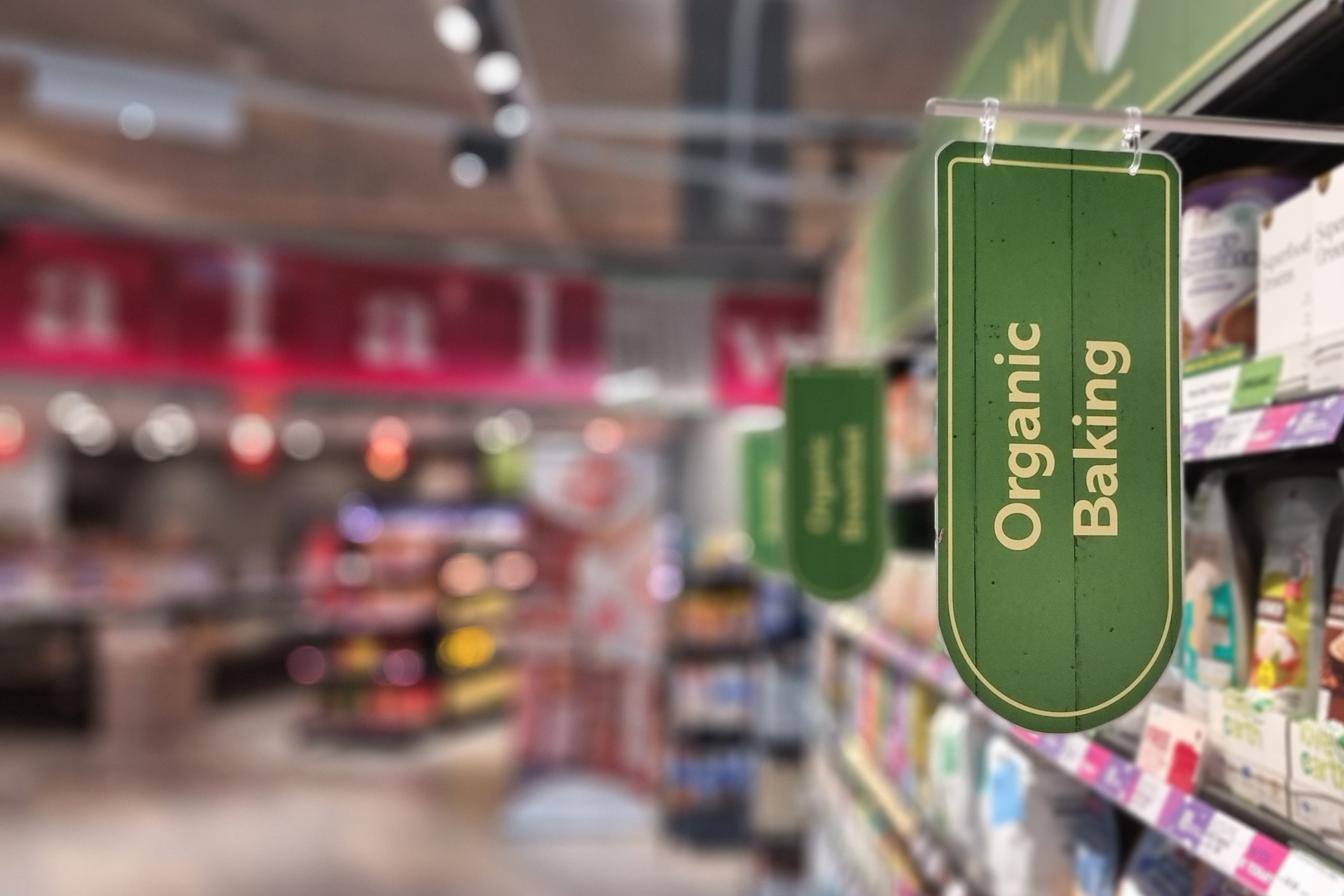

Image source: shutterstock.com

The Baking Aisle

This is the number one suspect. Think butter, eggs, flour, and sugar. Demand for these items skyrockets starting in October and doesn’t let up until the New Year. Brands don’t necessarily raise their wholesale price, but the retailers stop putting them on deep discount. The “Buy One, Get One” deals on butter and 2-for-1 specials on eggs vanish. Retailers use these items to get you in the door all year, often as “loss leaders”. But during the holidays? They know you’ll buy them anyway, so they sell them closer to the full, non-sale price.

The Holiday Centerpiece

This category is the opposite of the baking aisle, showing how retailers play a different game. Stores will aggressively discount turkeys, sometimes even giving them away if you spend a certain amount. Why? They are the ultimate loss leader. They are willing to lose $10 on a turkey because they know you will also buy $200 worth of soda, snacks, disposable pans, wine, and appetizers. The price hike here isn’t on the basic turkey; it’s on the premium options. The organic, free-range, or heritage-brand birds rarely see discounts, and their prices hold firm or even climb as the cheaper options sell out.

Canned “Specialty” Goods

This is where brands get their moment. Think of canned pumpkin, cranberry sauce, evaporated milk, and fried onion toppers. These are items many people buy only once or twice a year. You don’t have a “price anchor”—you don’t know what a “good” price is because you don’t buy it often. This gives both brands and retailers leeway to price them higher. You need them for your specific recipes, you’ll only buy one or two, and you’re willing to pay the price for the convenience.

Convenience and Pre-Made Items

This category carries a year-round “convenience tax” that gets supercharged during the holidays. Pre-made pie crusts, jars of gravy, stuffing mixes, and pre-cut vegetables see a massive surge in demand from shoppers trying to save time. Brands price these items based on the value they provide (time saved), not just the ingredients. You are paying for the prep work, and stores know that on a busy holiday, you are very willing to pay that premium.

It’s Not Just Brands, It’s the Store’s Strategy

While it’s easy to blame a specific brand of butter, the grocery store itself is often the one pulling the levers. Modern supermarkets use incredibly sophisticated “dynamic pricing” software. This software analyzes demand, competitor pricing, and supply, adjusting prices in real-time. Before a holiday, the algorithm knows that the demand for certain items is about to go through the roof, and shoppers will be less price-sensitive.This combination gives the store a green light to dial back discounts and let prices drift up to their full margin

Your Action Plan: How to Beat Holiday Price Creep

You have the power to protect your wallet. The key isn’t just coupons; it’s timing. You can beat the price creep in several ways.  Start buying your flour, sugar, and chocolate chips in October. These items are shelf-stable and will almost certainly be cheaper before the holiday rush begins. Freeze Your Butter. When you see it on a deep “Buy One, Get One” sale in September or October, stock up and freeze it. For next year, buy your canned pumpkin and cranberry sauce in the clearance aisle after the holiday. Don’t get tricked by “holiday-themed” packaging. Check the unit price (price per ounce or pound) to see if you’re really getting a deal. Avoid buying small jars of spices from the grocery store’s baking aisle mid-December. This is a classic trap. Buy them from the bulk section or an ethnic grocery store weeks in advance for a fraction of the price.

The Savvy Shopper’s Final Takeaway

The holiday price creep is a real phenomenon, but it’s driven more by retailer strategy and predictable demand than by greedy brands. Stores aren’t “raising” prices as much as they are simply removing the discounts on items they know you are forced to buy. The best defense is a good offense: shop early, stock up on sales long before the holiday, and treat the weeks leading up to a major holiday as a “coupon-free zone” where you only buy what is necessary.

What to Read Next

The post The Price Hike Illusion: Are Grocery Brands Raising Rates Before Holidays, or Is It Something Else? appeared first on Grocery Coupon Guide.

Sign up to read this article
Read news from 100’s of titles, curated specifically for you.
Already a member? Sign in here
Related Stories
Top stories on inkl right now
One subscription that gives you access to news from hundreds of sites
Already a member? Sign in here
Our Picks
Fourteen days free
Download the app
One app. One membership.
100+ trusted global sources.