
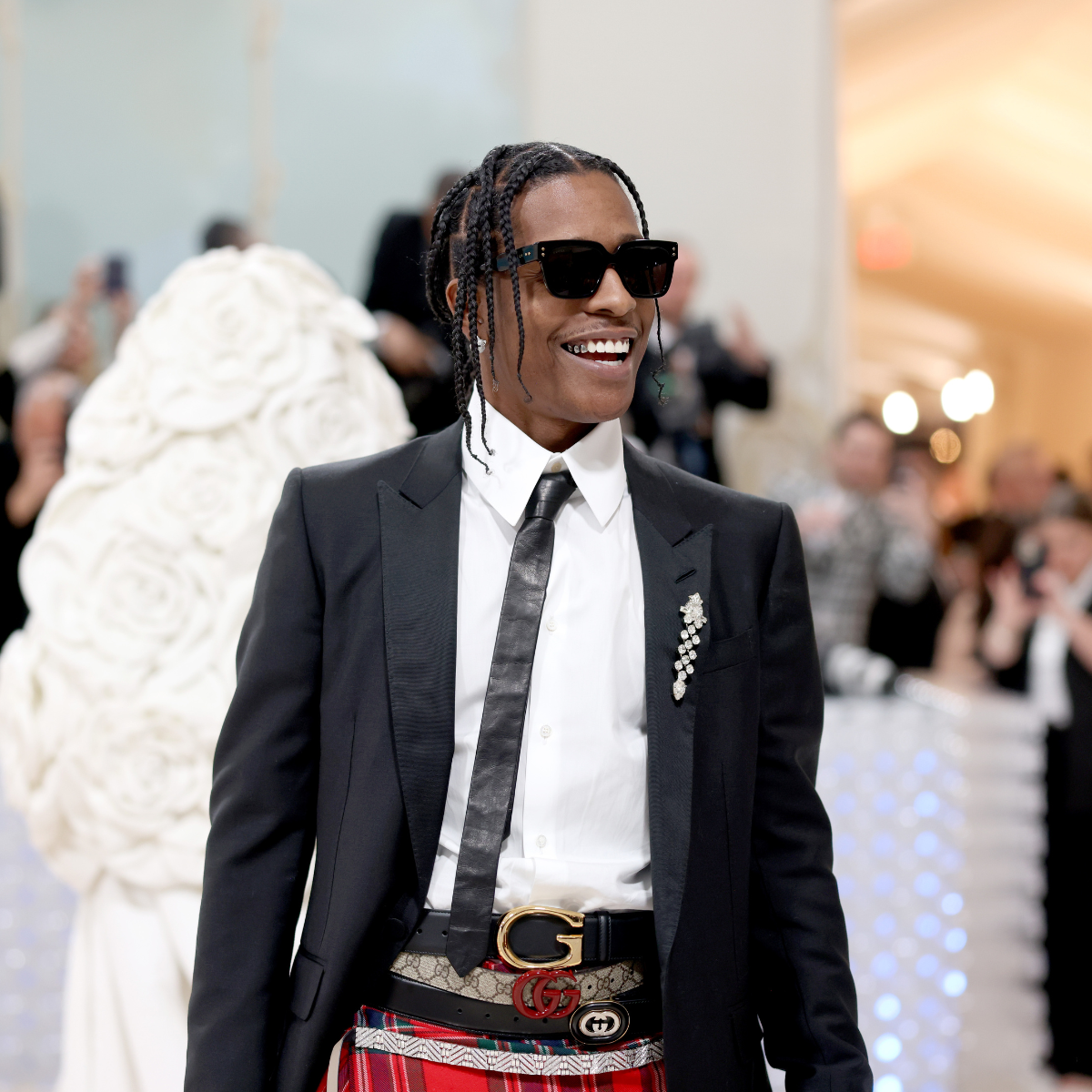
The Met Gala, an iconic event that celebrates both fashion and art, has long been known for its extravagant displays of creativity and culture. But this year, the theme 'Superfine: Tailoring Black Style' promises to explore a deeper, more meaningful conversation about fashion's history and the often overlooked narratives within it. Among those whose stories remain on the fringes, is a movement called dandyism which celebrates black culture and the legacy of black tailoring, an art form that has shaped men’s fashion but often been neglected in the mainstream discourse.
At its core, dandyism is more than just a fashion statement; it’s a cultural movement steeped in individualism, refinement, and defiance. Dandyism emerged in the early 19th century as a rejection of the current social norms, with figures like Beau Brummell leading the way. Known for his sharp suits, impeccable grooming, and disdain for excessive ornamentation, Brummell defined dandyism as a pursuit of understated elegance. His style wasn’t just about clothes, it was a statement about identity, power, and how to navigate the world with grace and control.