
Watering houseplants is pretty straightforward, right? Fill your watering can and get to work. Well, experts have revealed that you should actually be leaving your water to stand overnight before watering your plants. And this little extra step can make a big difference to your plants.
The best houseplants can really make a house feel like home. Not only do they look good, but they can also make us feel good, seeing as there are houseplants that can reduce damp and even houseplants that can reduce dust in our homes. So, it’s important we look after them to the best of our abilities.
This is why ‘overnighting’ your water can be handy. By placing water in an open container overnight, you allow chlorine to dissipate, which is more suitable for sensitive plants.
What is overnighting?
While you may have worked out the best time to water your houseplant, experts also want you to take the extra step of leaving it out overnight beforehand. This allows the chlorine to dissipate from the water and allows the water to come to room temperature.
‘When you leave water in a jug or container with a wide opening at the top then this allows the chlorine - often added as a disinfectant by watering companies to ensure it’s safe for us to drink - to begin to evaporate making it more suitable for watering houseplants which can be vulnerable to chlorine building up in their soil and harming the beneficial soil microbes which are vital for their healthy growth,’ explains Lucie Bradley, garden and greenhouse expert at Easy Garden Irrigation.
‘If you leave tap water overnight in an open container (so not a bottle), then the chlorine leaves the water mainly through evaporation. Leaving it in the air for 24 to 48 hours will actually be more effective and should enable the chlorine to fully evaporate. This is why I usually keep a jug of tap water in my kitchen for a day or so before using it to water my plants. This is the simplest way to get rid of the chlorine.’
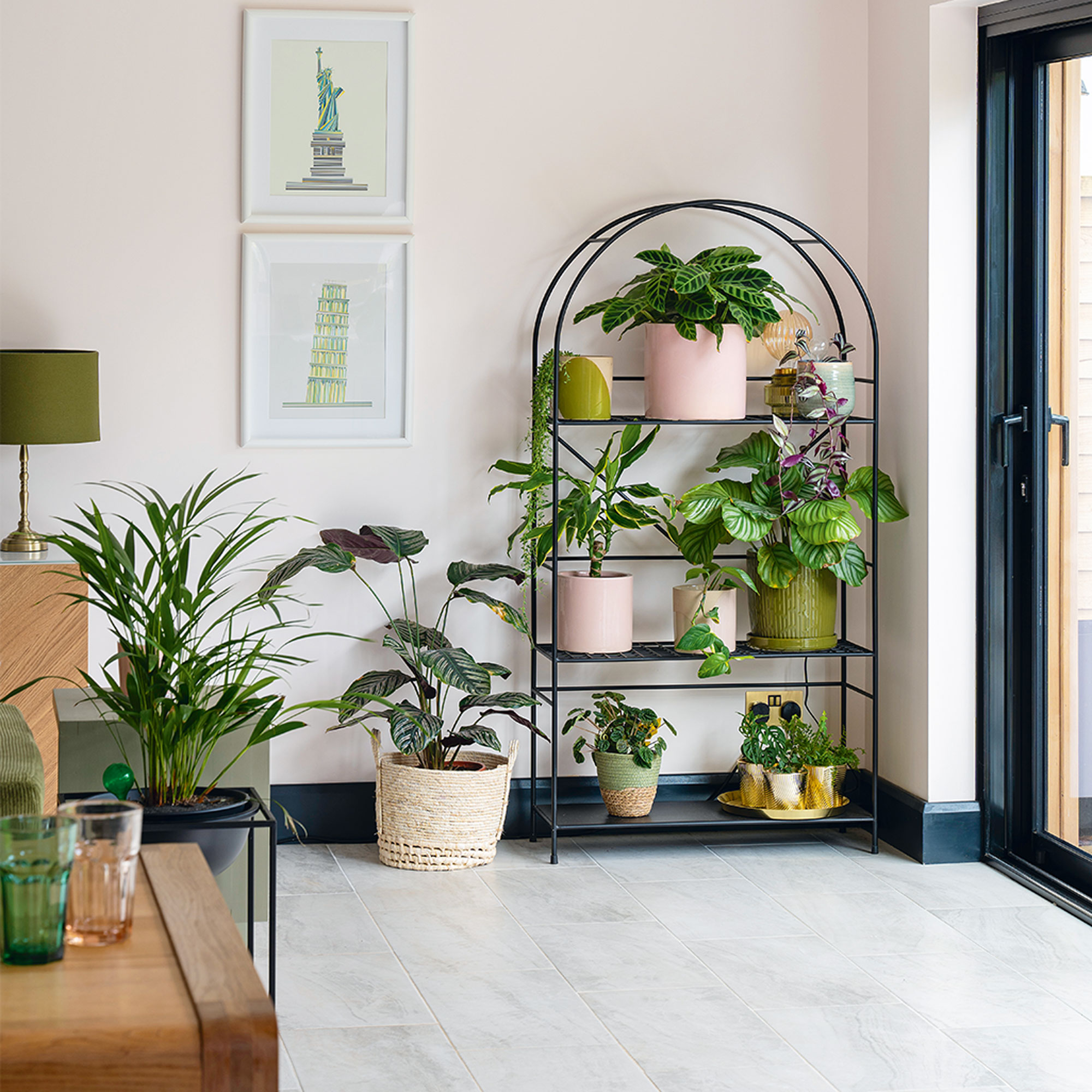
Chlorine can affect sensitive plants such as Calathea, Dracaena, Ferns, Spider Plants and Peace Lilies. Typically, it’s plants with tropical origins that are most affected, and you can tell a plant is affected by chlorine if the tips or edges of its leaves can turn brown. Leaves can also turn a yellow shade, and growth can slow down.
‘The extra benefit of leaving water to ‘overnight’ is that it becomes room temperature, which is ideal when watering houseplants, which can be wasteful of water and difficult to achieve when running your tap to water plants straight away,’ adds Lucie.
However, ‘overnighting’ is not a necessary step for all plants, nor will it make a drastic change to your plant’s health.
‘Overnighting’ water for houseplants is not usually necessary for most homes or common indoor plants. While leaving water to stand overnight can help some chlorine dissipate and allow the water to reach room temperature, most houseplants will grow perfectly well with normal tap water,’ says Amber Tunney, Plant Buyer at Cherry Lane Garden Centres.
‘It tends to only be beneficial in areas with very hard or heavily chlorinated water, or when growing particularly sensitive tropical plants such as Calatheas or ferns. For most houseplants, regular watering habits and avoiding overwatering are far more important than overnighting water.’
Make watering a breeze
These watering spikes gradually release water into the soil near the roots of your plant. You plant will pull the moisture it needs, preventing overwatering.
A plant mister is great for boosting humidity for tropical plants, clean foliage and apply fertaliser or treatments to plants.
This clever watering can folds when not in use, making it easy to store in small homes.
If you have a sensitive plant that’s struggling, taking the extra step to ‘overnight’ your water can help. It’s an easy, free hack that will encourage your plants to grow happier and healthier.