
Get all your news in one place.
100's of premium titles.
One app.
Start reading
Homes & Gardens
Homes & Gardens
Martha Davies

The One Plant Swap to Make on Earth Day to Transform Your Garden Into a Wildlife-Friendly Haven

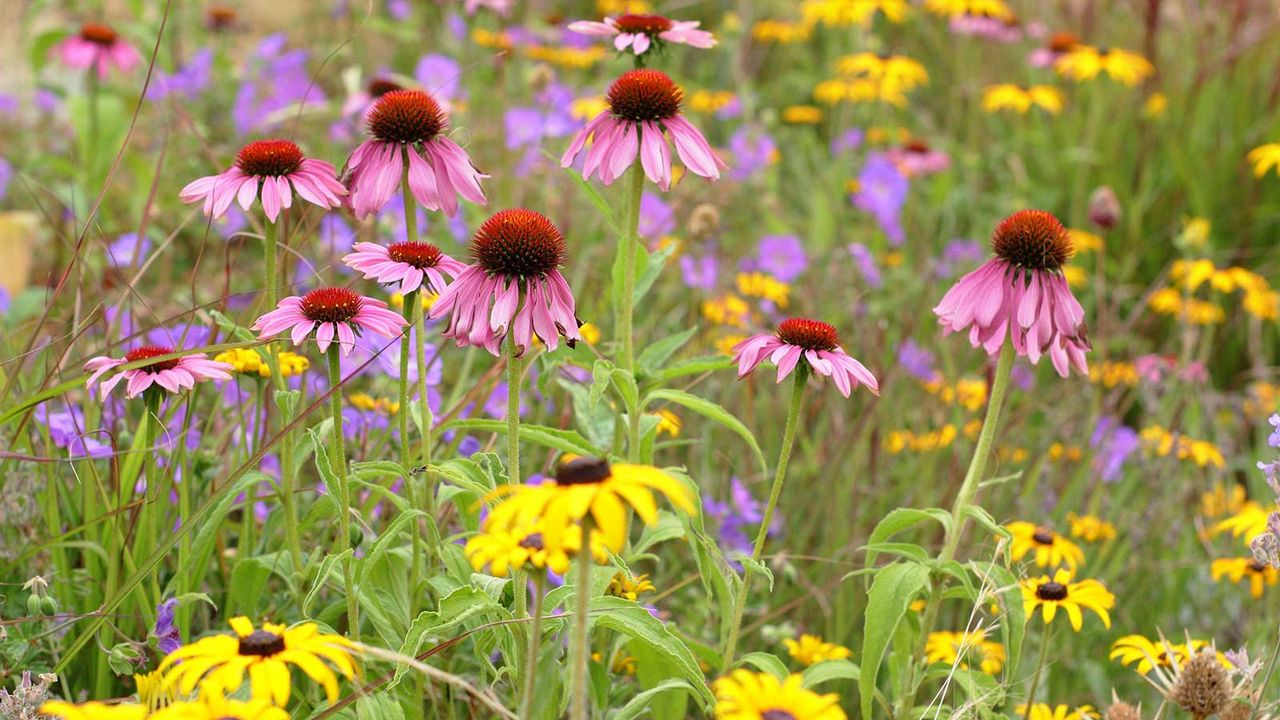
Flowering plants – echinacea and rudbeckia.

In our hectic lives, we spend so much time in pursuit of perfection – a picture-perfect home, say, or a Pinterest-worthy garden – that we can forget about what really matters. Earth Day is an antidote: a welcome reminder to slow down, connect with nature, and commit to a few small changes to help protect the environment.

With this in mind, there is one plant swap you can make if you're looking to create a wildlife garden: replacing sterile cultivars with nectar-rich plants.

You might be keen to stock up on plants that won't self-seed, but this leaves bees, butterflies and other insects with a distinct lack of feeding sources. While sterile cultivars promise to keep your garden neat and free of weeds, a tidy yard can, in fact, be rather detrimental to pollinators – and prioritizing nectar-rich flowers can make all the difference.

Why Replace Sterile Cultivars?

No gardener wants to spend their spare time digging up fast-growing weeds, so it's only natural to seek out sterile cultivars.

Since they produce almost no viable seeds, these specially-bred species provide manageable alternatives to traditionally invasive plants, helping you to maintain a neat and tidy yard.

For all their logistical (and aesthetic) benefits, however, sterile cultivars have one crucial drawback: they do virtually nothing to support pollinators.

Of course, a lack of nectar and pollen is ideal for anyone with spring allergies, but it also means that insects will miss out on vital feeding sources, and many other wildlife species will be less inclined to visit your garden.

Sterile cultivars might be bred to look good, but they often have no viable pollen or nectar, which prevents pollinators like bees, butterflies, or hummingbirds from feeding on them.

Above all, a pollinator garden needs a variety of nectar-rich plants that can support wildlife all year round.

By prioritizing sterile cultivars, you might ensure that your garden is orderly and fuss-free, but you'll miss out on the buzzing, lively feel of a teeming pollinator haven – and you'll end up with a much weaker ecosystem.

What to Plant Instead of Sterile Cultivars

With all of this in mind, the best plants for pollinators are those that provide plenty of nectar and pollen – especially at this time of year, when many flowers aren't blooming just yet.

Swapping out even a few sterile plants for nectar-rich alternatives can have a huge impact on your garden, helping to attract not only insects but birds and other wildlife.

When it comes to choosing plants, there are a few classic options, from Grosso lavender (which you can find at Burpee) to native purple coneflowers, like these from Plant Addicts and May Night salvia, which you can shop at Fast Growing Trees.

Coneflowers are one of the easiest swaps to make; they are hardy and low-maintenance, and they're especially popular among bees. Wildflowers like goldenrod and black-eyed susan are also ideal, especially since they bloom all summer and through fall.

In fact, timing is a particularly important consideration: while you'll want to provide early-blooming plants which can support wildlife right now, you'll also need to incorporate flowers that bloom later in the year.

'I try to ensure that something is blooming from early spring through the end of summer,' reflects Dr Anne Leonard, bee expert and Professor of Biology at the University of Nevada, Reno. 'It's all about providing a variety of options, and counting on my neighbors to also make thoughtful choices about their gardens.'

Even the plants that you might be inclined to remove from your yard can be vital for pollinators. Take cowslips and dandelions: they might be viewed as the enemy, but 'weeds' like these are a rare food source that pollinators can rely on during the earliest days of spring.

Unlike specially-bred species, these flowers are inherently useful for wildlife – even if they can look a little unruly.

'In my own garden, I watch carefully to see what plants bees visit most and try to put in more of them,' says Dr Leonard. 'A larger patch to visit makes it even more appealing to pollinators.'

Shop Pollinator-Friendly Garden Essentials

If you're looking for more Earth Day inspiration, check out our guide to creating a pollinator pit stop, or stocking up on aromatic plants to attract wildlife.

Plus, if you love inspiring garden ideas, outdoor advice, and the latest news, why not sign up for our newsletter and get the latest features delivered straight to your inbox?

Sign up to read this article
Read news from 100's of titles, curated specifically for you.
Already a member? Sign in here
Related Stories
Top stories on inkl right now
One subscription that gives you access to news from hundreds of sites
Already a member? Sign in here
Our Picks
Fourteen days free
Download the app
One app. One membership.
100+ trusted global sources.