Get all your news in one place.
100's of premium titles.
One app.
Start reading
The Conversation
The Conversation
John Calabrese, Assistant Professor, School of Public Affairs and Non-Resident Senior Fellow, Middle East Institute, American University

The ‘navalization’ of economic warfare sees trade routes become zones of force rather than rules

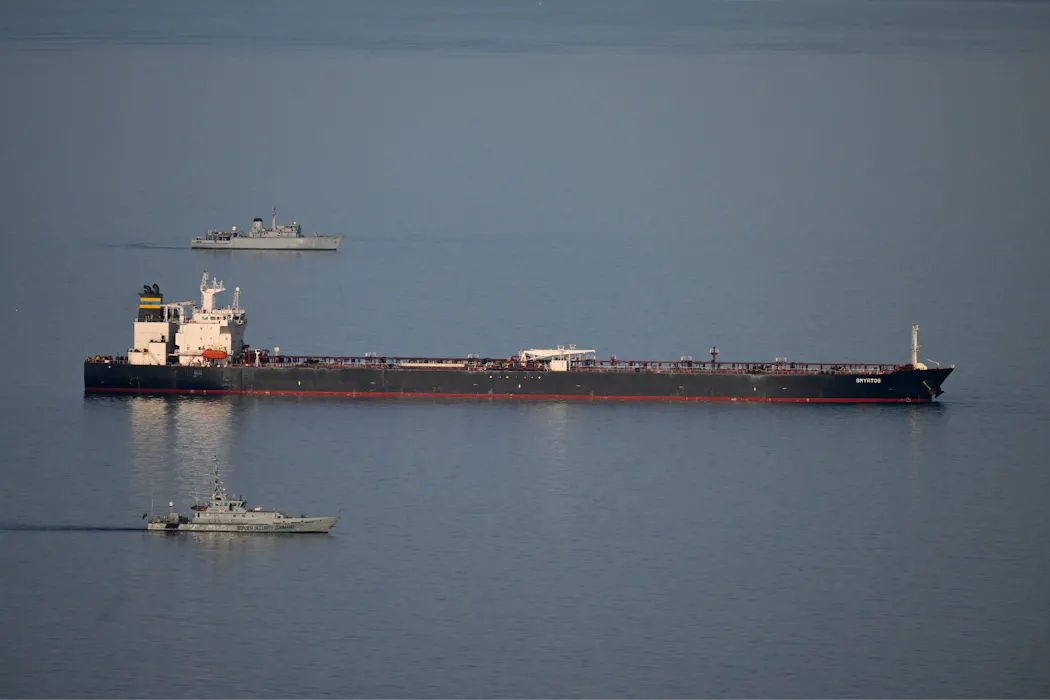
British military ships escort the Smyrtos, which has been linked to Russia's shadow fleet. Finnbarr Webster/Getty Images

With more than 80% of global trade by volume being transported by sea, maritime shipping lanes are indispensable to the world economy. That fact was starkly illustrated by the war in Iran, which saw Tehran effectively close the Strait of Hormuz to commercial traffic and Washington respond with a blockade of Iranian ports.

Yet such recent events are an aberration from much of the post-Cold War period, during which economic sanctions were enforced far from the sea. Governments relied on financial infrastructure – bank messaging systems, insurance markets, shipping registries and port access rules – to restrict trade without physically stopping ships.

Sign up to read this article
Read news from 100's of titles, curated specifically for you.
Already a member? Sign in here
Related Stories
Top stories on inkl right now
One subscription that gives you access to news from hundreds of sites
Already a member? Sign in here
Our Picks
Fourteen days free
Download the app
One app. One membership.
100+ trusted global sources.