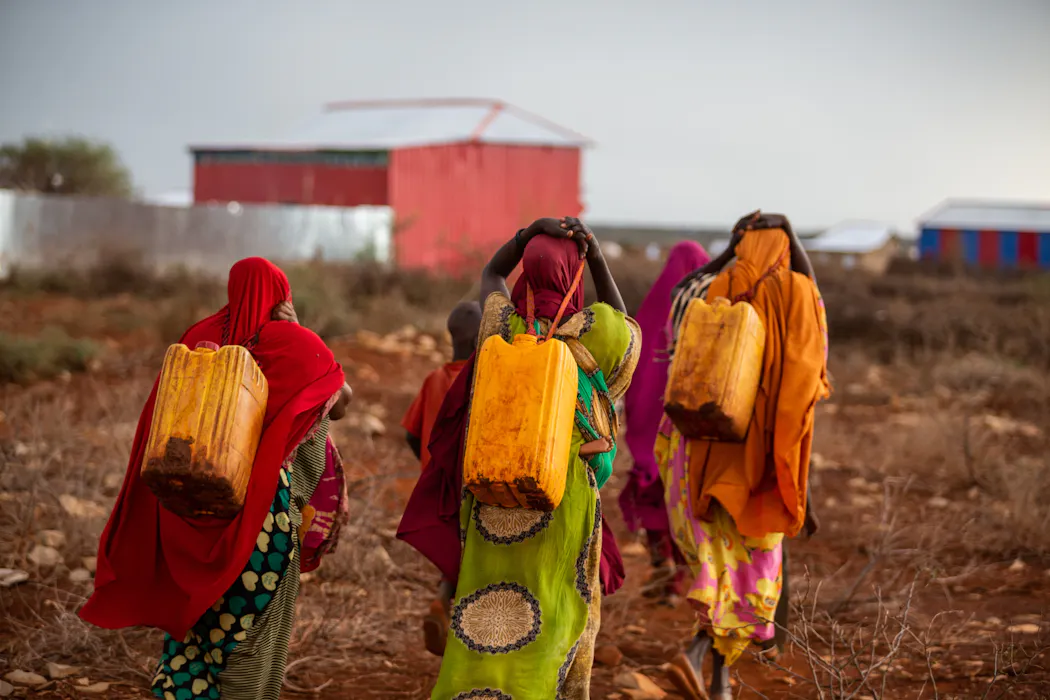
In developed economies, water has become a victim of its own social success. For those with universal access to it, a form of cognitive dissonance has taken hold: we fret over looming threats of scarcity while enjoying an uninterrupted, completely dependable supply. Just turn on the tap, and the problem evaporates – along with the idea that water is inextricably linked to equality of opportunity.
For many in the Global North, water scarcity is at best a humanitarian concern, and at worst an abstract, geographically distant problem with little grounding in reality. But this sense of security is misleading. Water has not ceased to be a prerequisite for equality; it has simply slipped out of sight in some places.