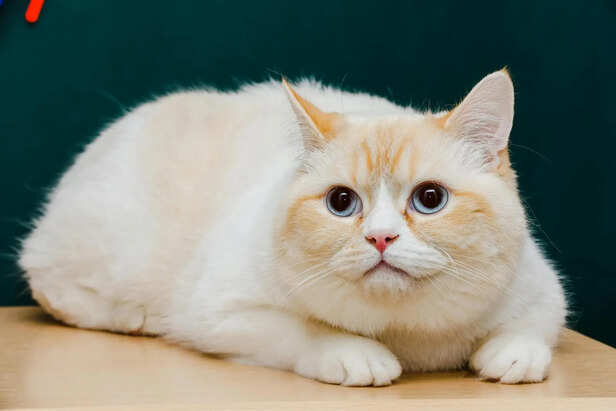
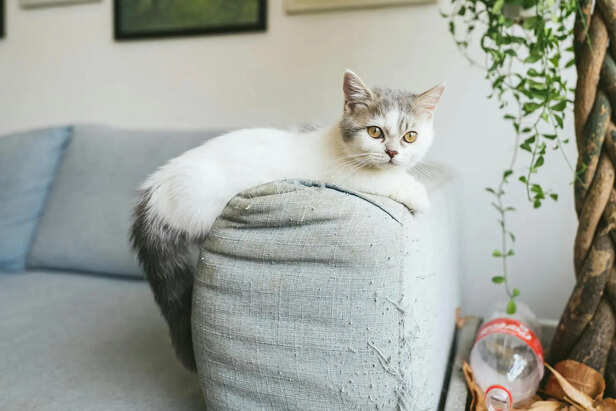
The Munchkin Cat is one of the most recognizable and debated cat breeds in the world. Known for its unusually short legs and playful personality, this breed has captured the hearts of many pet lovers. However, behind its adorable appearance lies an ongoing debate about ethics, health, and responsible breeding. Is the Munchkin cat truly a lovable companion or a controversial creation?
Indoor Lifestyle and Environment Needs
These cats are best suited for indoor living, where their environment can be controlled for safety. Because of their limited jumping ability, pet owners often need to create accessible spaces with ramps or low platforms. Soft bedding and easy-to-reach resting spots help ensure comfort. A well-enriched indoor environment keeps them physically active and mentally satisfied
Origin and History of the Munchkin Cat
The Munchkin cat breed originated from a naturally occurring genetic mutation rather than intentional crossbreeding. The first documented cases appeared in the 1980s in the United States, where a short-legged stray cat gave birth to kittens with the same trait. Over time, breeders selectively developed this line, leading to the modern Munchkin cat. Despite its relatively recent emergence, the breed has quickly gained popularity due to its distinctive appearance and lively personality.
What Makes the Munchkin Cat Unique?
The defining feature of the Munchkin cat is its short legs, caused by a natural genetic mutation. Despite their small stature, these cats are energetic, agile, and surprisingly fast.
Key Characteristics:
- Short legs but normal-sized body
- Playful and curious nature
- Friendly and social behavior
- Comes in various coat colors and patterns
They are often compared to dachshunds in the dog world due to their similar body structure.
Personality and Temperament
Munchkin cats are known for their affectionate and outgoing personalities. They enjoy interacting with humans and other pets, making them excellent companions.
Common Traits:
- Highly playful and active
- Intelligent and quick learners
- Love to hoard small shiny objects
- Adapt well to indoor living
Despite their physical differences, they behave much like any other domestic cat.
The Controversy Surrounding Munchkin Cats
While many admire their cuteness, Munchkin cats are at the center of ethical debates.
1. Genetic Mutation Concerns
Their short legs are the result of a genetic mutation affecting bone development. Critics argue that breeding for this trait may lead to:
- Joint problems
- Spinal issues
- Reduced mobility over time
2. Ethical Breeding Debate
Some animal welfare organizations question whether it’s ethical to intentionally breed animals with physical abnormalities for aesthetic appeal.
3. Recognition Issues
Not all cat associations recognize the breed due to these concerns, which further fuels the controversy.
Health and Care Considerations
Although many Munchkin cats live healthy lives, they require careful monitoring.
- Regular veterinary check-ups
- Maintain a healthy weight to reduce joint stres
- Provide low-impact play activities
- Watch for signs of mobility issues
- Proper care can help minimize potential health risks.
Celebrate the bond with your pets, explore Health & Nutrition, discover Breeds, master Training Tips, Behavior Decoder, and set out on exciting Travel Tails with Times Pets!
Frequently asked questions (FAQs)
-
Are Munchkin cats healthy?
Many Munchkin cats live normal lives, but they may be prone to joint or spinal issues due to their unique structure.
-
Why are Munchkin cats controversial
?They are controversial because their short legs result from a genetic mutation, raising ethical concerns about selective breeding.
-
Do Munchkin cats need special care?
Yes, they may require extra attention to maintain a healthy weight and avoid strain on their joints.
-
Are Munchkin cats good family pets?
Yes, they are friendly, playful, and social, making them suitable for families and multi-pet households.