Marco Zenone is a public health researcher who studies misinformation and online portrayals of health and wellness issues. A few years ago, he wanted to study the usefulness and accuracy of mental health TikTok videos. When he asked whether I’d be interested in joining his team, I didn’t hesitate.
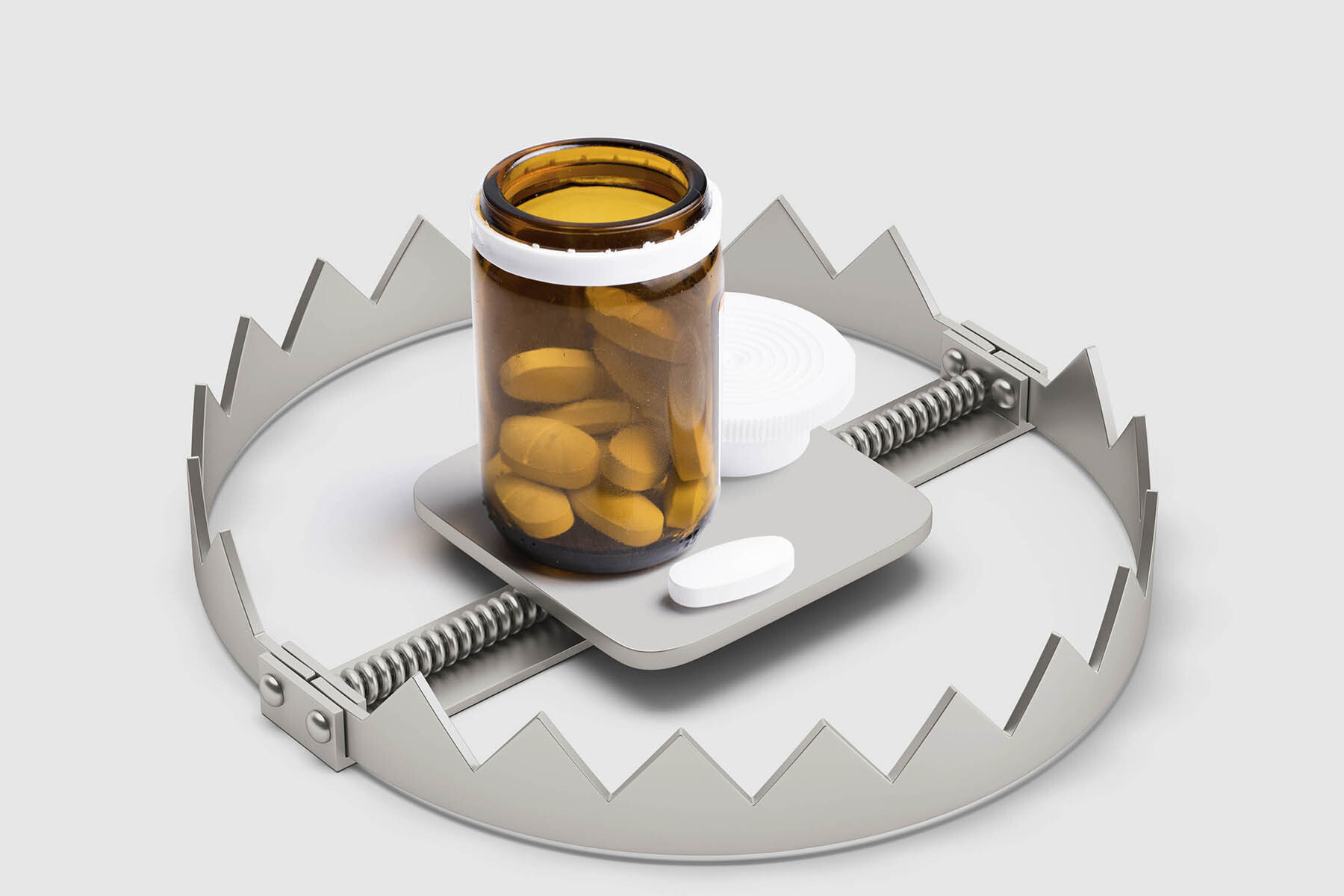
We took a sample of the top 1,000 TikTok videos with the hashtag #mentalhealth from a specific time frame in 2021 and then analyzed the content. Most videos involved users sharing their personal stories, thoughts, or perspectives, and over one-third contained advice or information presented as factual. When we analyzed the videos with advice and information—which were watched over 1 billion times—we found that 67 percent could be considered useful but 33 percent were misleading. Some of the misleading ones parroted anti-psychiatry tropes, such as the idea that medications aren’t helpful and “are for profit only.” Alarmingly, the misleading videos also received more views, likes, comments, and shares than the ones we classified as useful. Our findings are consistent with other studies showing that TikTok videos contain high amounts of misinformation about more specific health topics, such as attention-deficit hyperactivity disorder, diabetes, prostate cancer, and COVID-19.