
Get all your news in one place.
100’s of premium titles.
One app.
Start reading
InsideEVs
InsideEVs
Technology

The Mercedes VLE Fixed The Biggest Problem With 'Luxury' Vans

Riding in the back of multiple V-Class vans last week from one Mercedes event to another made me reach two important conclusions. One is that no matter how fancy you try to make one of these vans by turning it into a VIP shuttle, it’s still going to feel like a van, and have associated van unpleasantness. The second thing is that the current fully electric, European-market EQV is so much more refined and pleasant to be aboard than the combustion versions of the V-Class.

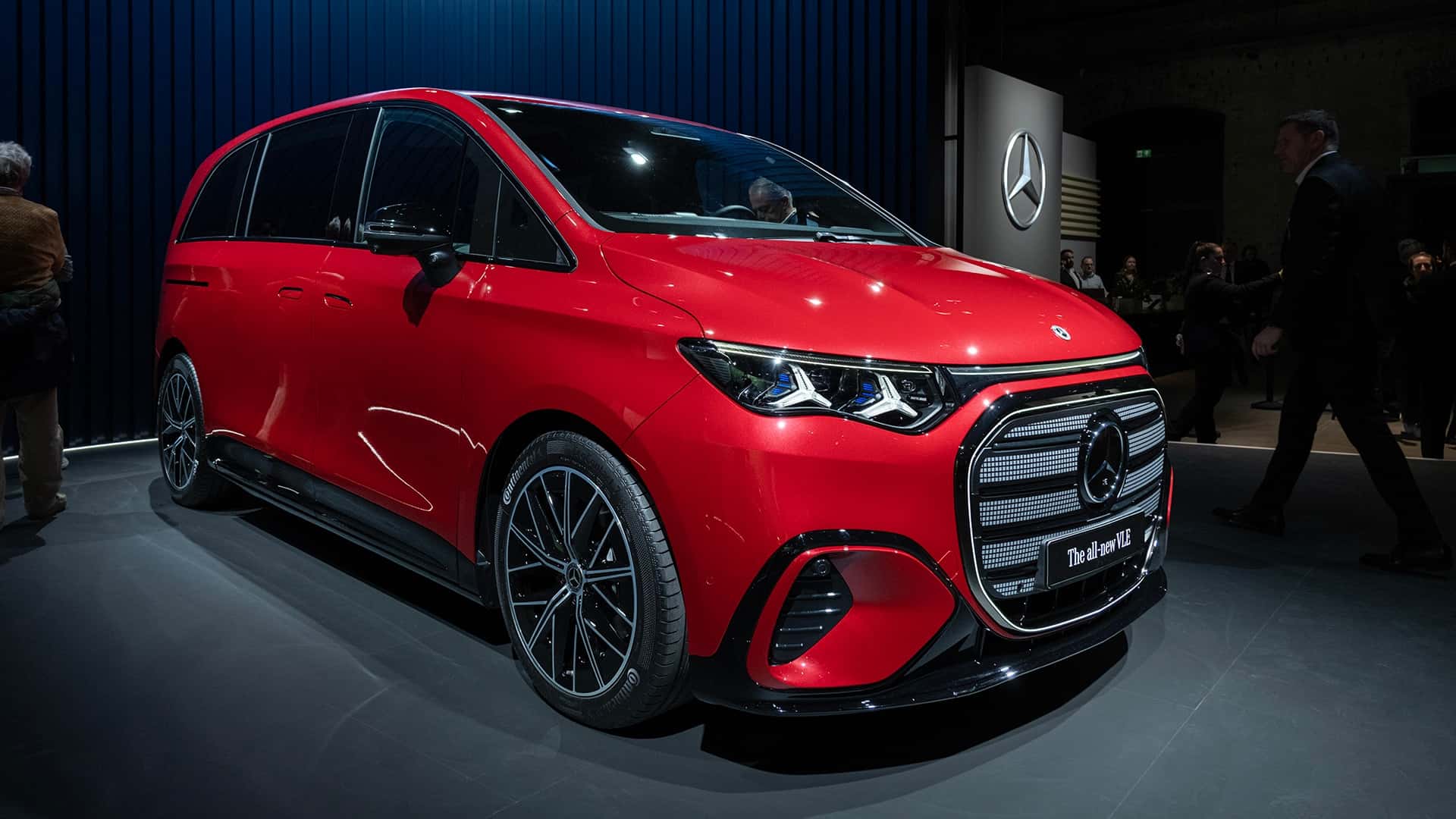
Mercedes seems to have realized all this, and the VLE is its attempt to fix what has always held the V-Class back. (The V-Class is sold under the Metris name in the U.S.) Even though it keeps the same basic shape, it is a far more sophisticated vehicle underneath, built on a new electric-first platform with the explicit goal of making this format feel less like a van and more like a proper luxury passenger car. The EQV already hinted at how much better this setup becomes when you remove diesel noise and driveline roughness, but the VLE looks set to take that idea much further. 

The EQV was just a converted combustion van. Its small battery pack didn't give it enough range to be a true road trip vehicle, with the primary variant offering just 213 miles (342 km) of range on the generaous WLPT cycle. Real-world numbers are worse. The VLE fixes that with a 115-kilowatt-hour battery pack, which grants it over 434 miles (700 km) of WLTP range. It also charges much quicker than the EQV thanks to its 800-volt platform, making long-distance travel far easier.

But it's not just a spec upgrade that makes it better. It's also a different kind of van. It seems a bit silly at first glance for Mercedes to call what very obviously looks like a van a ‘grand limousine,’ but the more you learn about the vehicle, the more it starts to make sense. It rides on a new electric-first platform that supports air suspension and rear-wheel steering. These are features that no self-respecting luxury vehicle should do without.

Another thing I noticed while in the back of V-Classes was that they don’t have much torsional rigidity. The body flexes over road undulations, so the doors and the tailgate move and creak. This is even more evident in the hushed EQV, but it’s an inescapable reality of being in one of these vehicles. They weren't designed for passengers first, and you can tell. The VLE, though, is much more passenger-oriented from the start, which should hopefully mean an end to those rattles. At the very least, it should be safer.

The current V-Class was launched in 2014, and at the time, Euro NCAP awarded it a full five-star safety rating. However, it only has rear curtain airbags, despite good structural safety ratings. A side impact for a rear passenger in one of these vehicles is more dangerous than in a regular car.

Stay informed with our newsletter every weekday
For more info, read our Privacy Policy & Terms of Use.

Mercedes says the VLE can be equipped with up to 11 airbags, offering far better protection for rear occupants. This is on top of its more advanced active and passive safety systems meant to prevent the vehicle from crashing in the first place.

The VLE also features roll-down electric side windows and promises to cocoon its occupants in the kind of luxury you would expect from a big SUV or sedan, but with even more space. Mercedes claims the main reason electric windows were implemented in the VLE is so children can wave goodbye to their grandparents as they pull away, but anyone who has been caught in traffic in a stuffy V-Class on a sunny day knows that there are other benefits, too.

But Mercedes' claim suggests that the VLE is not just aimed at luxury shuttle services, but also families who want something smarter and more practical than an SUV or a crossover.

Gallery: Mercedes-Benz VLE Reveal

What may ultimately make the VLE feel more luxurious than many large SUVs has nothing to do with screens (even though it has a huge rear screen), massaging seats, or ambient lighting. It’s the basic packaging advantage of this shape. A low floor, a tall roof, and wide sliding doors make it easier to get in and out, move around inside, and use the second row as an actual living space rather than just a nicer place to park.

Most luxury SUVs still prioritize stance and image over the comfort of the people sitting in the back, especially those unlucky enough to be relegated to the third row, whereas the VLE seems to flip that logic around. Lexus also seems to be mulling making such a vehicle, as previewed by the LS van concept that it showed last year.

Mercedes is trying to lure buyers away from these big luxury SUVs, which are seen as status symbols that shout about their prestige into a more sensible and even more luxurious feeling van-shaped limousine. This seems like a very smart move by Mercedes, blending the advantages of a van with real luxury to create something more desirable. Whether it will prove successful remains to be seen, as it launches next year in the U.S. and Europe. But it sounds like a great idea in principle, and after seeing it in person at the official unveiling, I came away pretty impressed.

Got a tip for us? Email: tips@insideevs.com
Sign up to read this article
Read news from 100’s of titles, curated specifically for you.
Already a member? Sign in here
Related Stories
Top stories on inkl right now
One subscription that gives you access to news from hundreds of sites
Already a member? Sign in here
Our Picks
Fourteen days free
Download the app
One app. One membership.
100+ trusted global sources.