
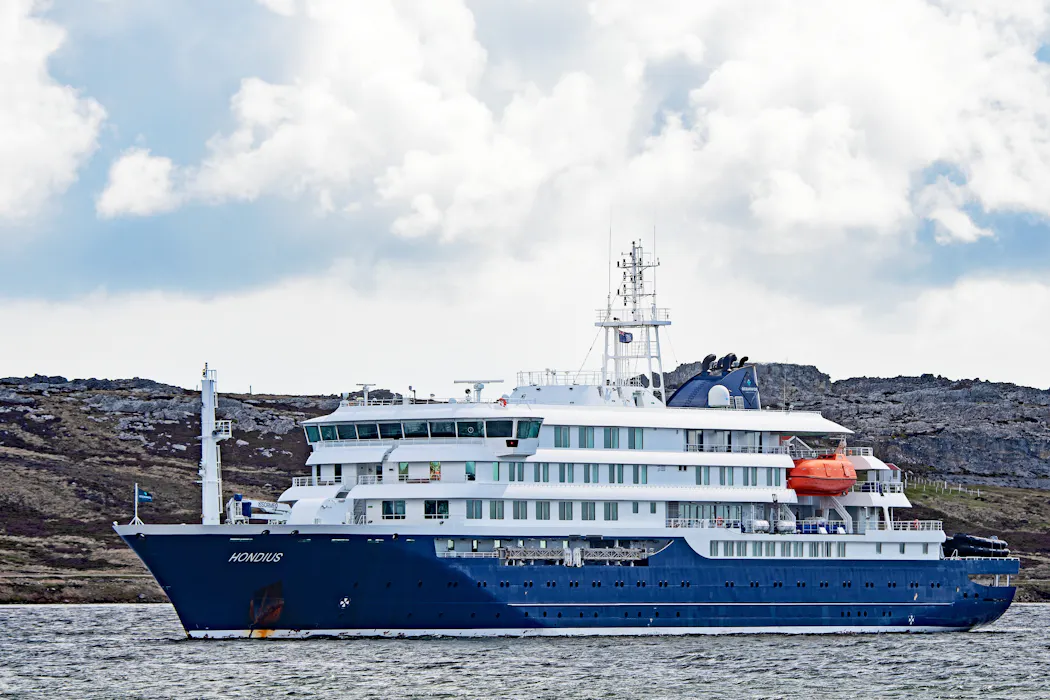
The MV Hondius left Ushuaia, Argentina, on April 1. Within days, one passenger had become ill. Within weeks, the voyage had become the focus of an international health response after cases of Andes virus, a type of hantavirus, were identified among passengers and crew. By early May, several people had died. Passengers and crew have since left the ship, but many are now facing quarantine and monitoring elsewhere, along with intense public scrutiny.
For those affected, the threat is not only medical. It is psychological too. Quarantine asks people to live with a difficult combination of fear, uncertainty and loss of control. Research tells us that our ability to tolerate uncertainty is broadly related to our levels of distress, so the uncertainty surrounding Andes virus could influence how worried people feel about their health and safety.














