
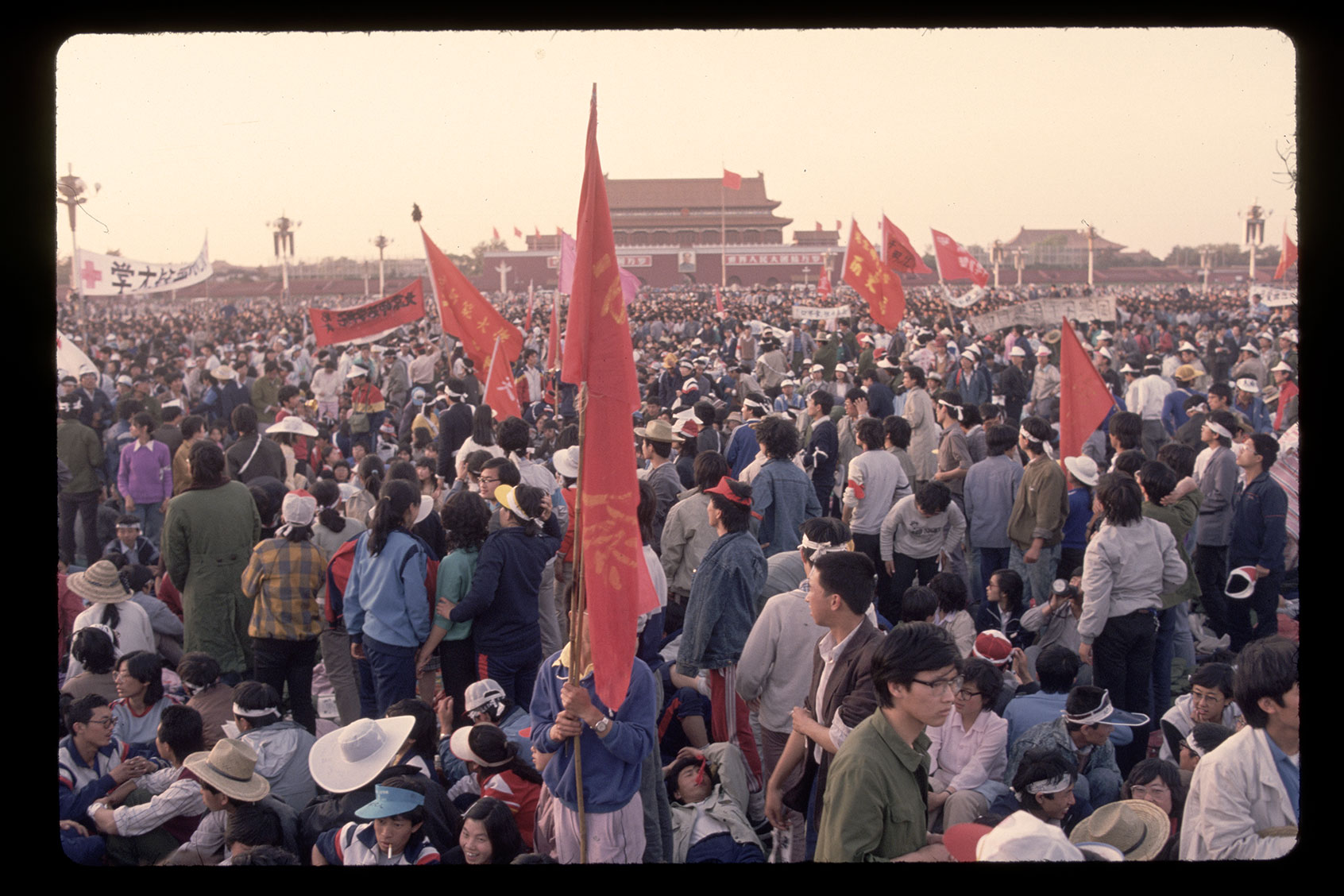
On May 4, 1919, 3,000 university students in Beijing emerged from their dormitories and lecture halls, gathered in front of Tiananmen Gate and set off the most famous protest movement in Chinese history. Angered by the weakness of the Chinese government in the face of colonial encroachment by Japan and the Western great powers, students, workers, and other opponents of imperialism had taken hold of most of China’s major cities by the next day in a defiant show of patriotic resistance and mass consciousness.
The galvanizing issue was the future of a 213 sq mi territory in the Shandong Peninsula and the surrounding sphere of influence, which Germany had seized from China in 1898. China had agreed to support the Allies in World War I on the condition that the territory be returned to its rightful owner, but a series of concessions forced on its leaders by Japan fated it to instead fall into the latter’s hands. The shotgun agreement, accepted by the western Allies, burdened China with yet another national humiliation after eighty years of coercion, extortion, and military defeat at the hands of foreign powers, and people blamed the impotent Beiyang government and the squabbling warlord cliques that ran much of the country for letting it happen.














