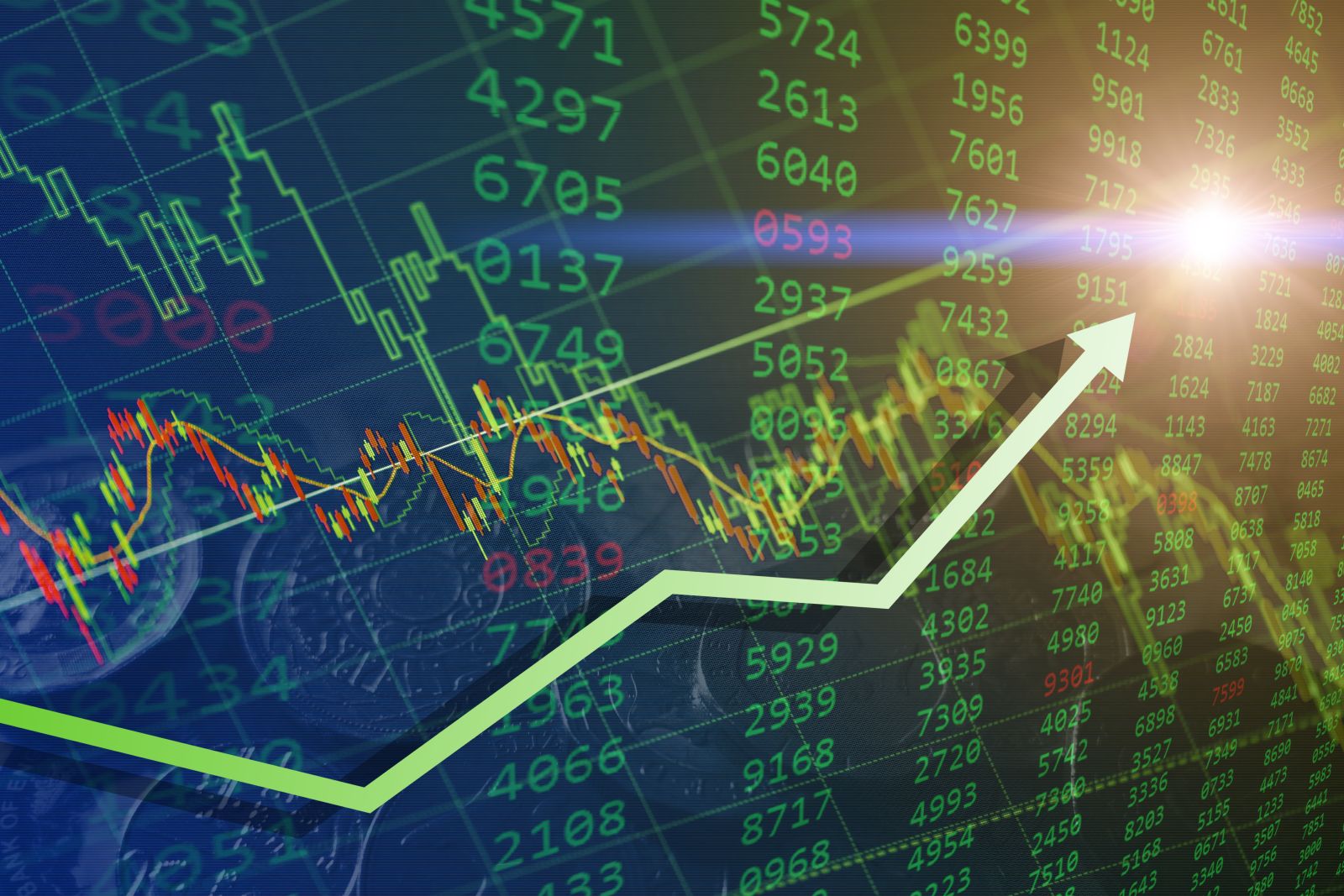
Investors believed for years that the market was the ultimate predictor of the economy. The general guideline was unambiguous: stocks anticipated six to twelve months in advance, making moves ahead of the data, leading jobs, profits, and growth. It worked often enough to feel like law. After World War II, the market rallied well before the economic recovery showed up in the numbers. Even though inflation was still a problem in 1982, equities went up, which was a hint of the long expansion to come. In 2009, with the economy still reeling from bank failures and unemployment, stocks reached their lowest point. But the rally was justified.
Those moments cemented the idea that following the market meant understanding tomorrow’s economy. It made sense in a world where active managers drove capital flows, valuations mattered, and price discovery reflected expectations rather than noise. That was the foundation for the idea of the market as a leading indicator.