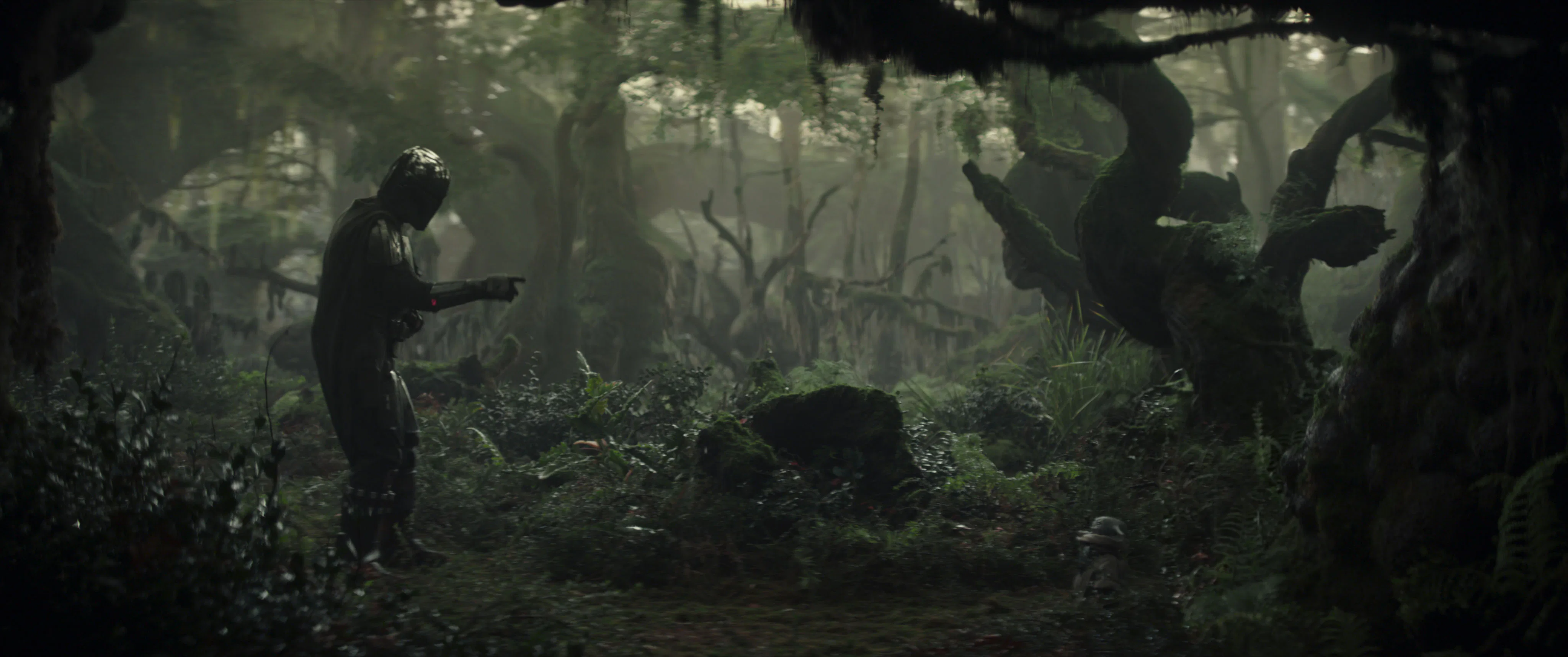
After a ton of anticipation and fanfare, The Mandalorian and Grogu has landed, and the reactions are...mixed. In some ways, the less-than-stellar response was to be expected. After three seasons of explosive action, what could this film do that the series hadn’t already fully accomplished? While the opening sequence of Mando and Grogu is thrilling in IMAX, and it's fun to see X-wings swooping down in the final moments of the film, even the most staunch defenders of this new Star Wars film might admit that there’s something off about the vibe of everything. But what is the true flaw of The Mandalorian and Grogu? The list, from fans and pundits online, is already very long; there are no female characters other than Sigourney Weaver’s Col. Ward (a huge problem!), Jeremy Allen White’s performance as Rotta seems phoned-in (it seemingly was!), the stakes felt low (didn’t Mando fight bigger bads than this?), and the action was inconsistent, or at worst, too similar to the kinds of things we’ve seen before.
And yet, the heart of the true problem with The Mandalorian and Grogu is none of these issues. Yes, each of these points is valid, but the overall flow of this movie could have been smoother and smarter, which would have helped us all overlook some of these other, more specific nitpicks. The reason we’re all pulling out specific things — or making generalized arguments that the movie is too much like a TV episode — is that the structure of the movie simply doesn’t work. And that’s because it violates an unspoken rule that nearly every Star Wars movie follows, with the odd exception of The Phantom Menace. In short, the real problem with The Mandalorian and Grogu is in the third act, when it's decided that the action of the film has to return to Nal Hutta.