
Get all your news in one place.
100’s of premium titles.
One app.
Start reading
Livingetc
Livingetc
Olivia Wolfe

The Main Types of Wallpaper Designers Want You to Know About Before You Even Think About Getting Out Your Pasting Table

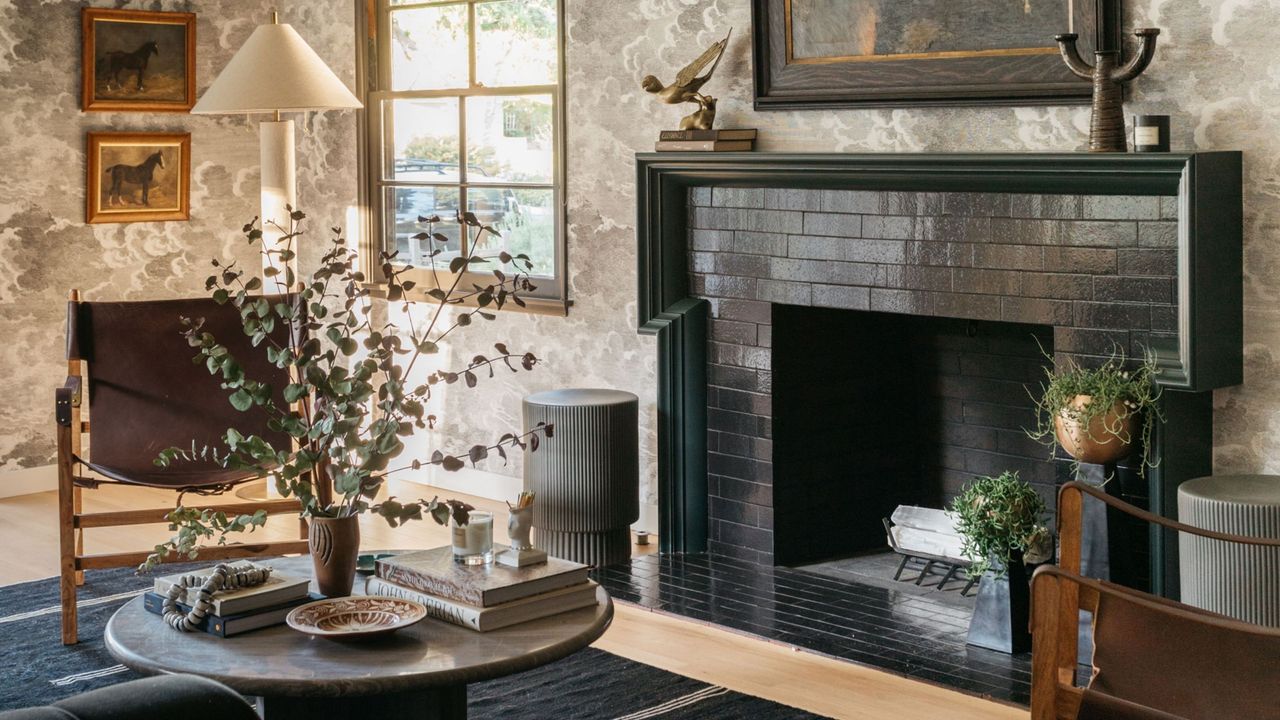
Image of a living room with fine line black and white wallpaper that has cloud motifs. There is a large black tile fireplace with a round coffee table in front of it, a black rug, and two leather and wood accent chairs, and a white floor lamp.

As someone who has always lived in a rented apartment, I've — regretfully — only ever been able to really consider peel-and-stick wallpaper for my space. It's easy to apply, removable, and a relatively straightforward DIY. But if you're planning to paper the walls of your own home, there are a range of different types of wallpaper to consider. Do you want texture? Is it for a high-traffic area? Will there be moisture? Different types of wallpaper will suit different scenarios.

So, how do you decide the right type of wallpaper for your project? "Put simply, there are two main things to think about when shopping for wallpaper," shares James Mellan-Matulewicz, CEO of UK-based wallpaper brand Bobbi Beck. "The first consideration is the design. It's essential that you like the look of the wallpaper, as it's something you'll be looking at often. The second factor is the durability of the material needed for your space."

For high-traffic areas, such as hallways, entryways, and stairways, it's worth considering a more heavy-duty material such as vinyl or grasscloth. For a decorative option, opt for a delicate paper or even silk. So, while it's worth looking to the latest wallpaper trends for your design inspiration, here are all the different types of wallpapers you might want to consider — and why.

1. Non-Woven Wallpaper

Non-woven is one of the most popular, classic types of wallpaper. (Image credit: JVDK Studios. Design: Fabrikate)

When it comes to decorating your home, most people start with a texture or pattern trend. And, "When it comes to your typical graphic or patterned wallpaper, these are most often digitally printed on a paper material called non-woven," explains Bobbi Beck's James Mellan-Matulewicz.

Non-woven wallpaper is predominantly made up of natural fibers, with some polyester mixed in to make it more durable. As for appearance, James notes, "It's most common for this wallpaper to be smooth, but it can be either matte or satin in finish."

Non-woven will excel in versatility, as you will be able to find lots of styles in these variations from most wallpaper brands. Plus, this type of wallpaper is great for everyday use and low-traffic areas. That said, "If you need a higher level of durability, then a non-woven may not be the best option," adds James.

2. Vinyl Wallpaper

Vinyl wallpaper tends to be more durable, making it a great accent in powder rooms like this. (Image credit: Divine Savages )

The biggest differences between the different types of wallpaper come down to durability, texture, practicality, and, of course, aesthetics. "Vinyl options are the most hard-wearing and wipeable, while paper and natural fiber wallpapers tend to be more delicate but offer beautiful texture and depth," explains UK-based designer and print expert, Catherine Rowe.

For more durability, vinyl wallpaper is a great option. "These are typically a paper or non-woven base with a durable vinyl topcoat added," explains James. It's also common for the vinyl to be textured or embossed for extra depth and durability (a material that is also typical for peel-and-stick wallpaper options).

Vinyl's durability makes it a common and reliable option for bathroom wallpaper and kitchen wallpaper ideas. It's moisture-resistant and splashproof, which means there is no need for any varnishes or sealants. It's also easy to apply and hardwearing — which is just what you want in these high-traffic areas.

3. Grasscloth

The texture of grasscloth wallpaper becomes a subtle, minimalist-feeling pattern. (Image credit: Mark Durling. Design: Alana Marie Interiors)

You may have deemed grasscloth wallpaper outdated in the past, but it is actually a very popular material for more durable wallcovering, and is making a comeback in 2026 interior design trends.

But, despite grasscloth's trustworthy durability, Catherine says, "Grasscloth, fabric, flock, and detailed papers are best suited to bedrooms, dining rooms, and living spaces where they can be appreciated without too much wear and tear."

This type of wallpaper all depends on how you want to use the space and the aesthetic you are hoping to curate — grasscloth will always add texture and depth to design. That said, these days it is not uncommon for a grasscloth wallcovering to actually still be made from vinyl, but made to imitate a sisal or bamboo textile.

"Both vinyl and grasscloth materials can be digitally printed, but it's common for these materials to simply be made with a flood color, which makes them great as subtle, textural backdrops rather than bold patterns or prints," adds James.

4. Specialty Murals and Hand-Painted Sheets

Mural-style wallpaper is for those who want a high-impact moment. (Image credit: Lisa Staton)

Lastly, you have your more specialty wallpaper styles — things like silk wallpaper (such as moiré fabrics), murals, and even hand-painted rolls. These types of wallpaper are for high-impact design moments. You might be spending a bit more money, but the payoff is a design-forward space with a unique, eye-catching accent.

Save these styles for a special space. With wall murals, the best results will come from applying to a room where you have space for the entire mural to shine, but safe from everyday wear and tear. A dining room is one of my favorite places for this style.

Or, to be more cost-effective, you could try a wallpaper paneling idea or wallpaper in the backs of shelving with more specialty rolls. This way, you get a look that acts as both artwork and a way to enrich your otherwise plain walls with wallpaper.

Hand-painted chinoiserie panels are a personal favorite of Catherine's. "They have a wonderful sense of craftsmanship and calm, with each panel slightly different from the next, so the room feels almost like a painted garden," she says. They're definitely an investment, but "they bring an old-world elegance you simply can't replicate with mass-produced paper."

So, those are the designer-approved types of wallpaper to get you started on your patterned paper ideas. Need even more help when it comes time to install? Don't worry, we can help with how to hang wallpaper as well.

Sign up to read this article
Read news from 100’s of titles, curated specifically for you.
Already a member? Sign in here
Related Stories
Top stories on inkl right now
One subscription that gives you access to news from hundreds of sites
Already a member? Sign in here
Our Picks
Fourteen days free
Download the app
One app. One membership.
100+ trusted global sources.







