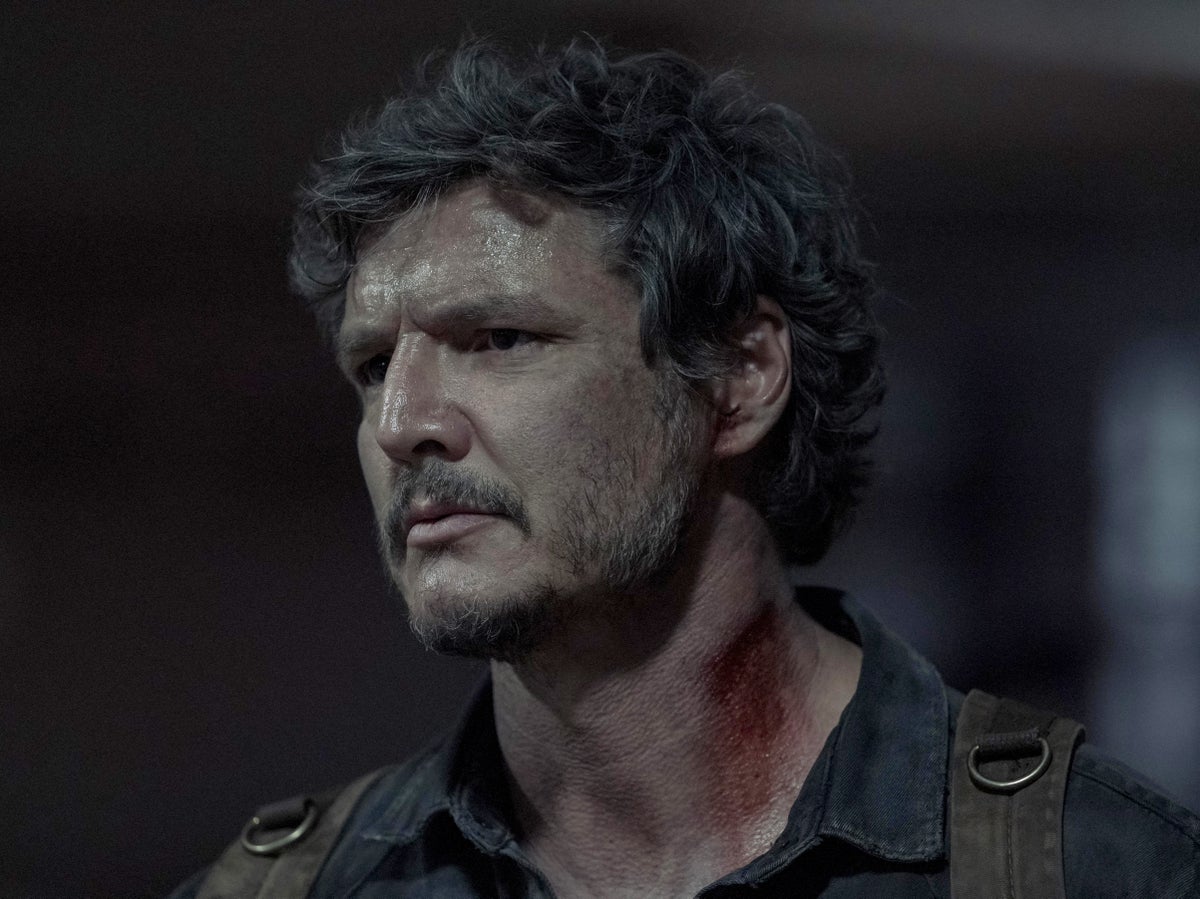
Curse? What curse? For all the usual doom-mongering around video game adaptations, the quickfire phenomon of The Last of Us should surprise no one. The nine-episode HBO series, adapted from the acclaimed 2013 game, had everything going in its favour. A generous prestige TV budget. Charismatic stars on the upswing of their careers. Well-plotted, character-driven source material. All it needed to do was stick the landing, and it did. The Last of Us has been both a critical and commercial smash, with viewership numbers ballooning as the series went on. (This week, HBO revealed that the average audience for the first five episodes is now close to 30 million viewers across all platforms.) Its second season renewal, announced back in January, was inevitable. But while season one was a slam dunk, its follow-up has the potential to be a disaster.
As fans of the game know well – but millions of TV viewers may not – The Last of Us had a sequel, released in 2020. Set four years after the ending of the original, The Last of Us Part II was a masterpiece of the medium, expanding on much of what the first one did well. While The Last of Us was primarily the story of Joel (Troy Baker in the game, a jaded Pedro Pascal on TV), Part II gave much more focus to Ellie (Ashley Johnson/Bella Ramsey), his spirited teenage ward. It was bigger, richer, darker, and messier. And it was one of the most rabidly polarising games ever made.