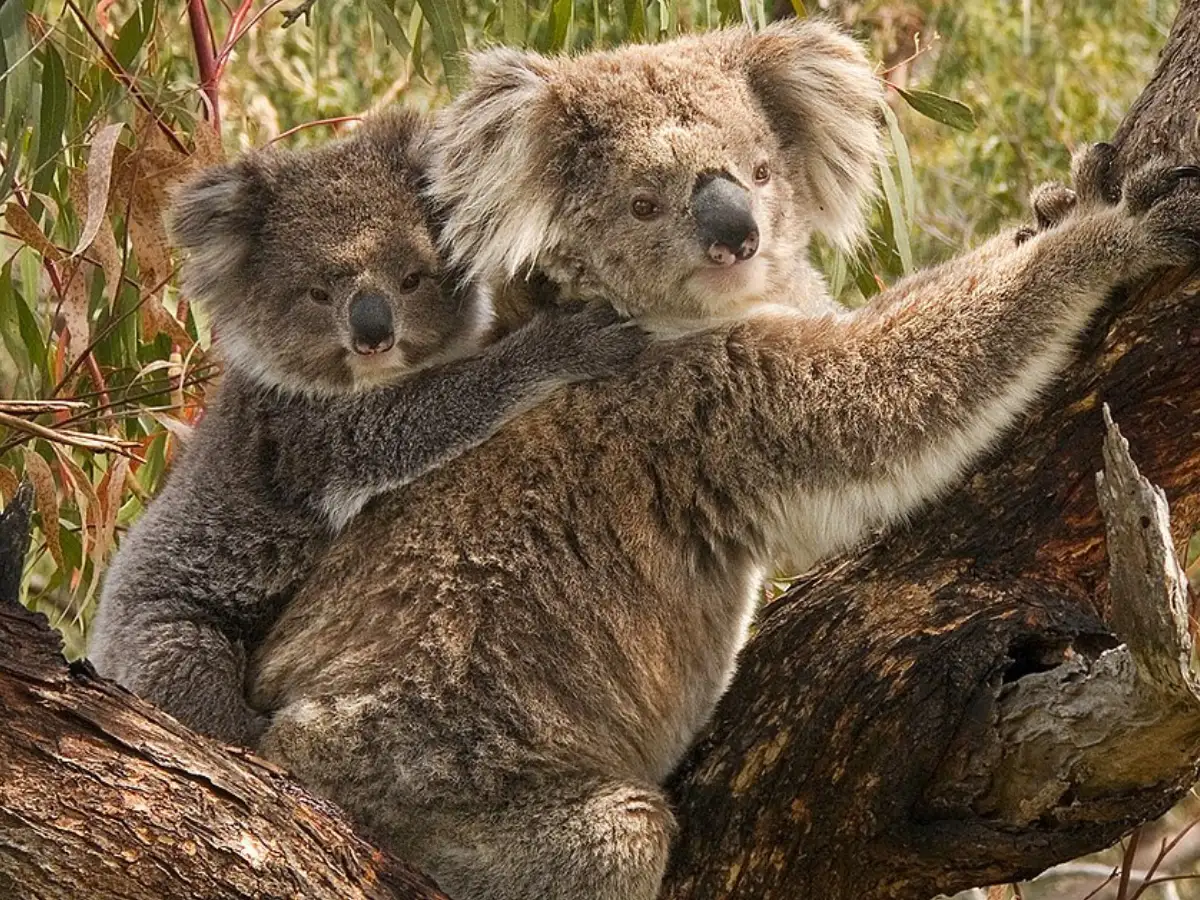
Scientists have long believed that when an animal population crashes, it is on a one-way road to genetic ruin. Fewer animals, less genetic diversity, more inbreeding, weaker offspring, and then extinction. This is a framework that has guided wildlife conservation policy for decades. But a new study published in Science is turning that assumption on its head, and koalas are to blame.
A landmark genomic study led by researchers from the University of Sydney and Cesar Australia has found that koala populations once considered the most genetically vulnerable are now showing clear early signs of recovery. The team sequenced 418 whole genomes from koalas from 27 populations across Australia, one of the largest genomic studies ever undertaken on a single threatened species. What they found challenges some of the most fundamental assumptions in conservation biology.
Being almost extinct actually helps
The surprising result at the core of this work is that Victoria’s koala populations, which plummeted to perilously low levels in the late 1800s and early 1900s, are now recovering in both abundance and genetic health. These southern populations, for decades, were thought to be genetically compromised, victims of a severe “bottleneck” that decimated their numbers and wiped out much of their genetic diversity.
But according to ScienceDaily's coverage of the AAAS research findings, rapid population growth seems to actively encourage a biological process called recombination, the natural reshuffling of DNA into new combinations. This genetic mixing can help previously bottlenecked populations regain diversity and, importantly, lose the harmful mutations that have accumulated over time.