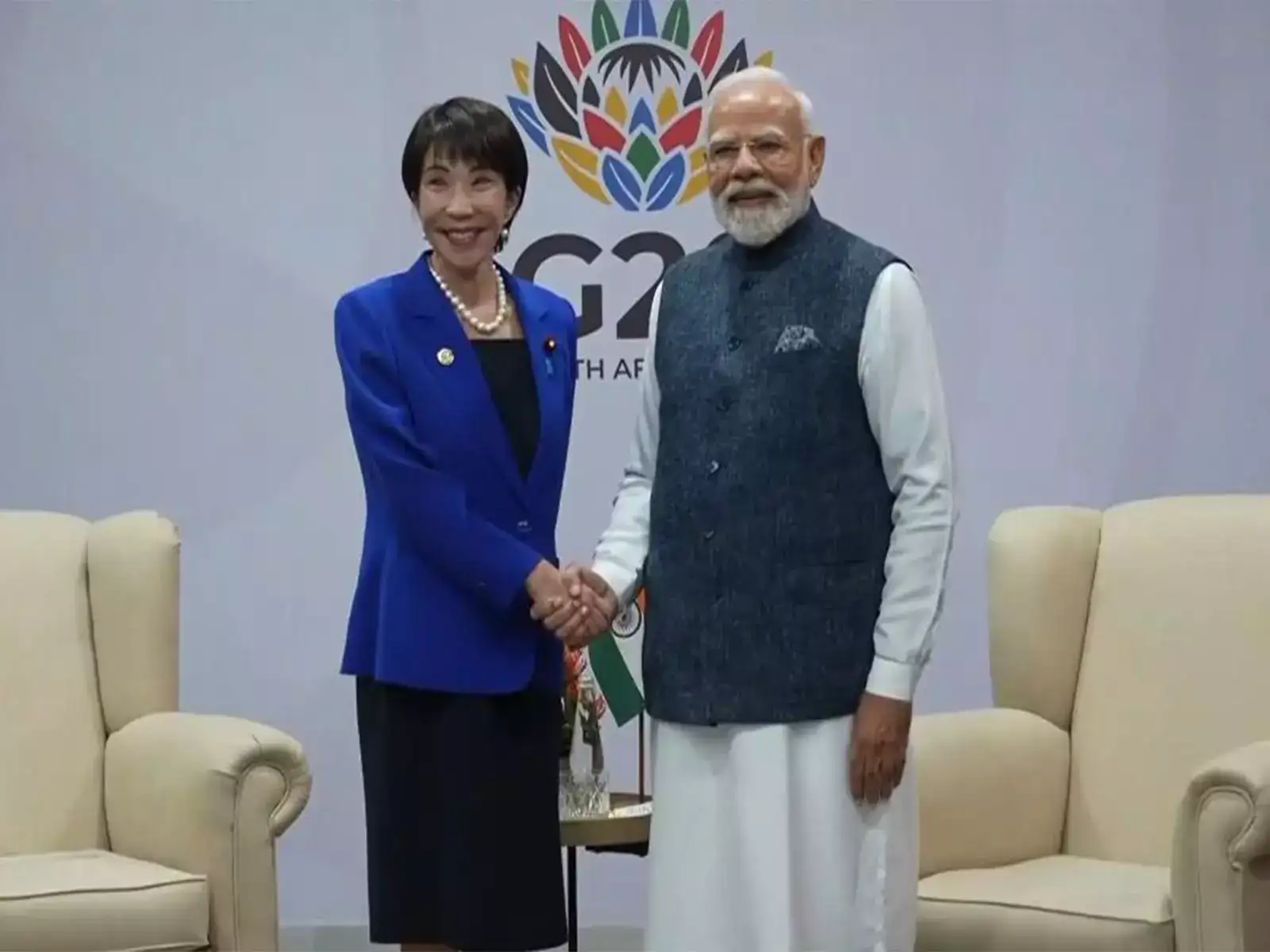
The decision by Japan’s Prime Minister, Sanae Takaichi, to make India her first bilateral destination outside of East Asia this July is a calculated signal. As Tokyo navigates a fractured global order, the New Delhi summit from July 1–3 underlines a foundational truth of contemporary Indo-Pacific strategy: the economic security architectures of Asia are increasingly interdependent. More importantly, it highlights a rare alignment of political will and commercial necessity that could redefine global supply chains.
Expectations will be higher than usual from this bilateral, given the timing. Resilient supply chains remain front and centre as fuel-led inflation and geopolitical headwinds cloud the global outlook. When Indian Prime Minister Narendra Modi hosts Ms. Takaichi in New Delhi, she will not just bring high-level diplomatic pledges, but a heavyweight business delegation of 50 Japanese executives, including Suzuki Motor’s Toshihiro Suzuki. This represents a maturation of the bilateral axis, transitioning from bureaucratic theory into high-value industrial reality.