The oil crises of the 1970s prompted a range of policy changes that still exist today. For one, we invented the high occupancy vehicle (HOV) lane to incentivize workers to carpool. A nationwide 55 mph speed limit made sure those carpools weren’t guzzling too much gas. Cars became more fuel efficient; we (temporarily) started driving less. But some experts say those measures, coupled with those taken during the 2022 energy shock in the wake of Russia’s invasion of Ukraine, pale in comparison to what we’re about to see next thanks to the Iran war.
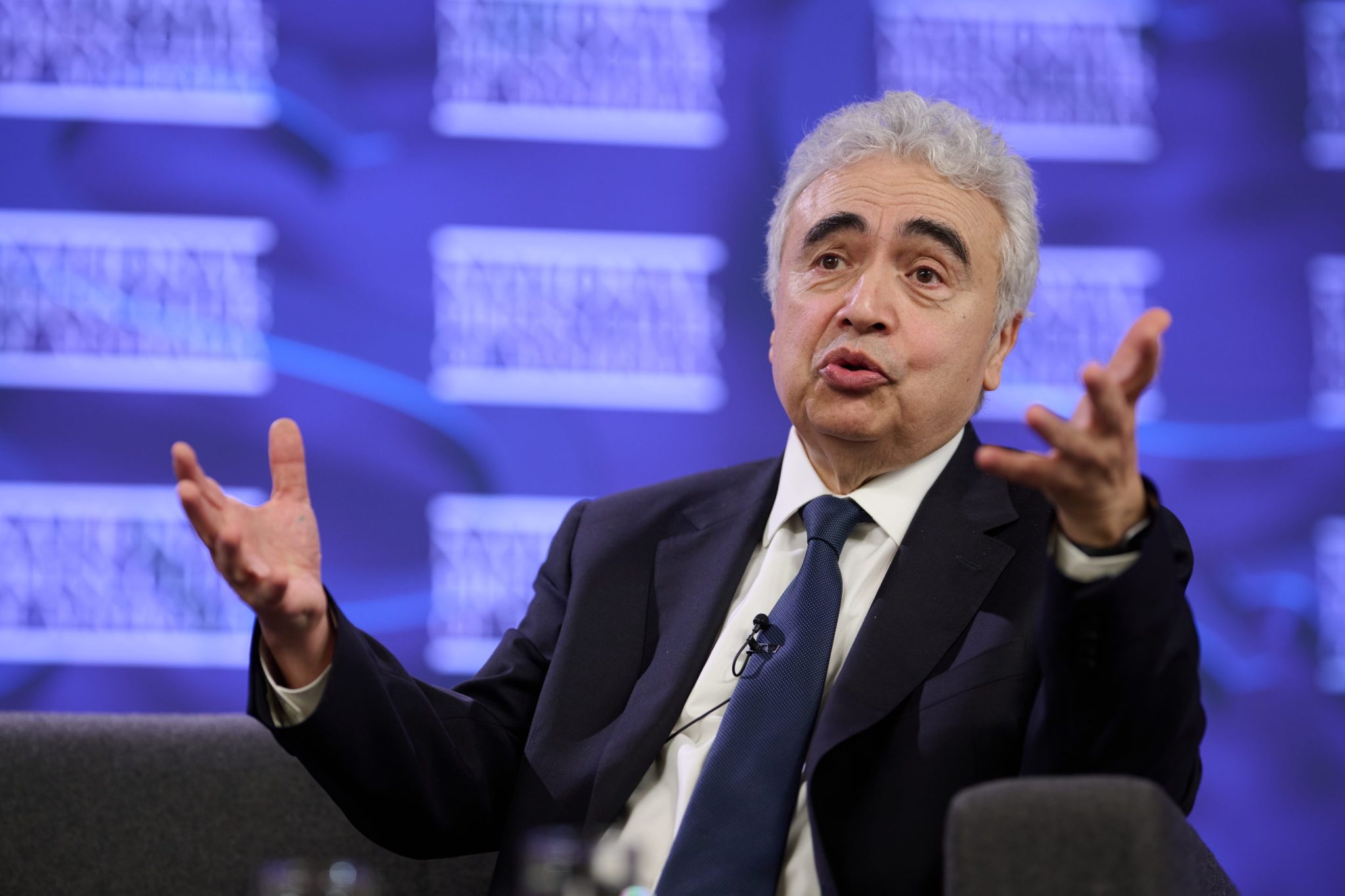
Earlier this month, the Paris-based intergovernmental agency International Energy Agency (IEA) released a record-breaking 400 million barrels of oil to temper rising prices. IEA executive director Fatih Birol, who coordinated the release, finally broke his three-week silence and sounded the alarms on how much damage the war is causing. In an interview Monday at the National Press Club of Australia, Birol said world leaders are underestimating the energy crisis, saying the ongoing energy shock is worse than previous ones.