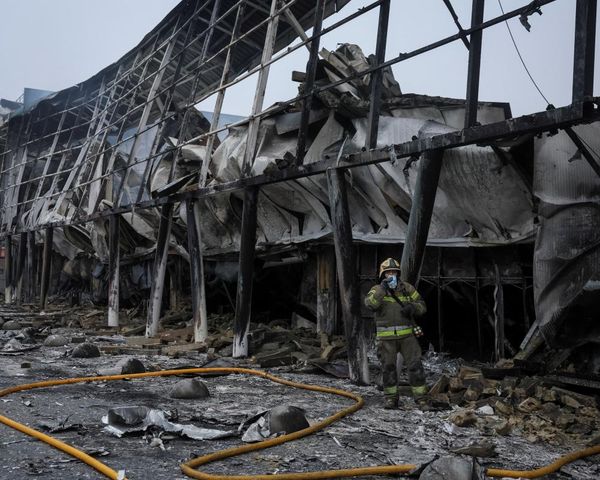
On February 28, the US and Israel unleashed Operation Roaring Lion. Dramatic footage of missiles striking military, nuclear and government targets across Iran was broadcast around the world.
Get breaking news anytime, anywhere. Download the TOI app now!

But as the physical assault unfolded, another battle raged in parallel — one with no fighter jets in the sky and no missiles streaking across the horizon.
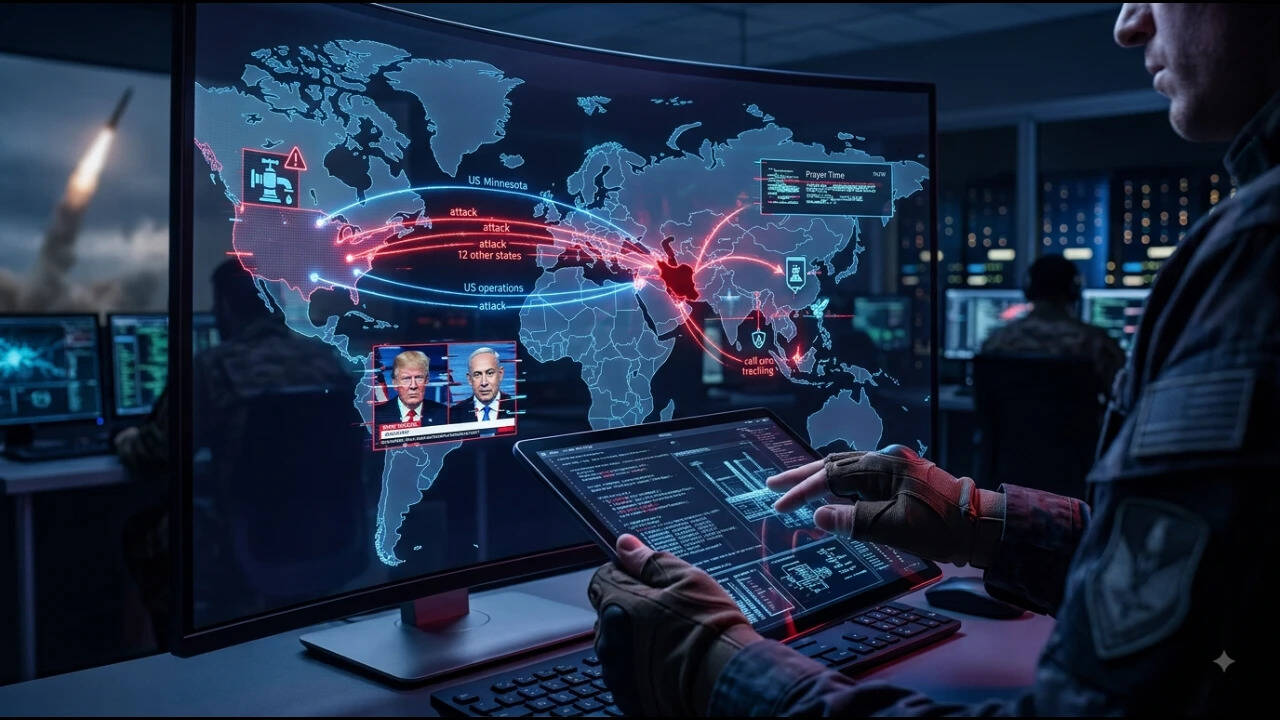
Coordinated cyberattacks tore through Iran’s networks, compromising news platforms and a popular prayer app, disrupting communications and replacing state television broadcasts with messages from Donald Trump and Benjamin Netanyahu.
The physical assault was visible to the world; the digital blitzkrieg was largely invisible.
It was a glimpse of a new kind of warfare. And Iran fought back.
Iranian cyberoperators and affiliated groups targeted US and Israeli systems, stole sensitive information and disrupted infrastructure, increasingly extending the conflict far beyond the Middle East.
The latest warning came in July, when cyberattacks hit water and wastewater facilities across at least 12 US states, including more than 30 systems in Minnesota.
US authorities have not conclusively attributed the attacks to Tehran, but Iranian-linked actors are among the suspects.
CyberAv3ngers, which is affiliated with the Islamic Revolutionary Guard Corps (IRGC), issued a release regarding cyberattacks; while APT IRAN, which is linked to CyberAv3ngers, declared in an August 11 statement on its Telegram channel: "The attack on Minnesota was the work of the CyberAv3ngers and us, and we take direct responsibility for it."