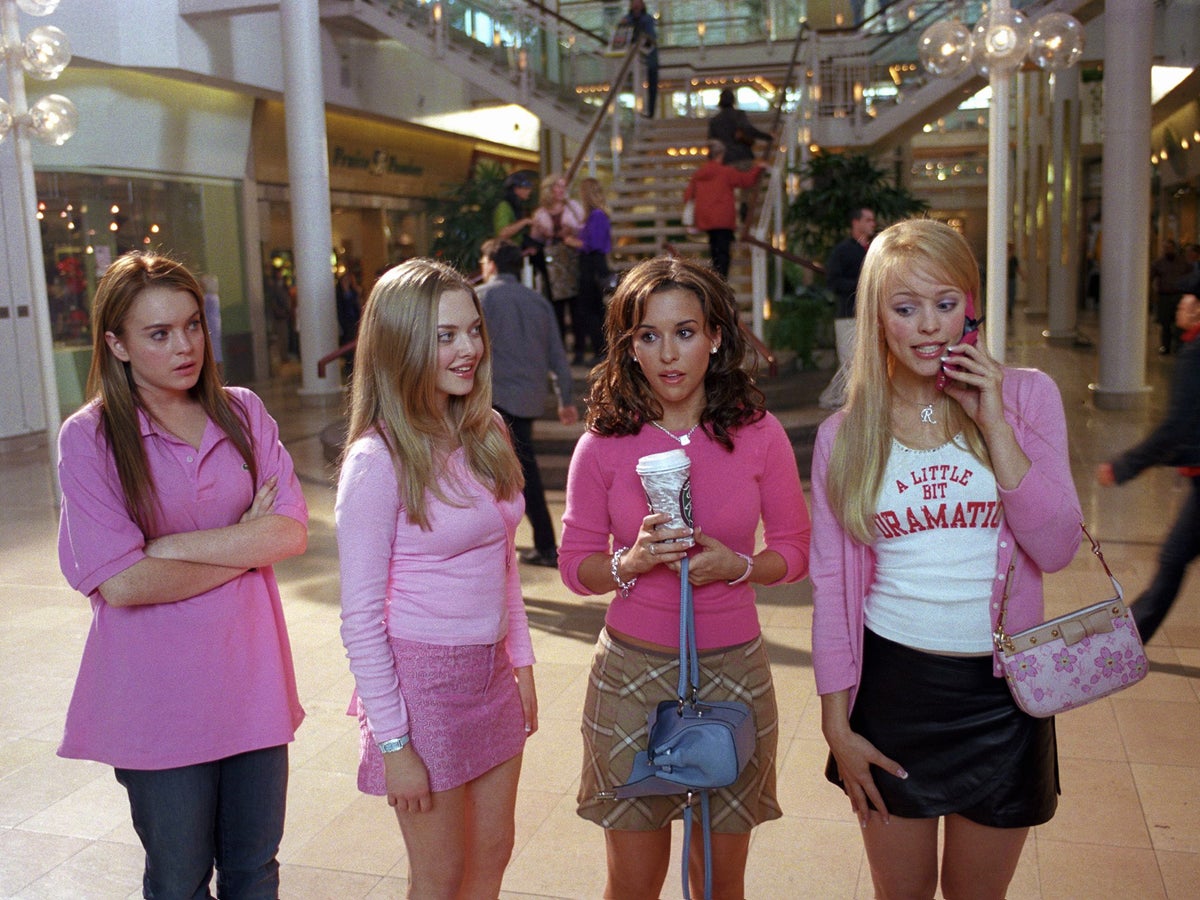
In “coney island”, her collaboration with The National, Taylor Swift sings: “We were like the mall before the internet/ It was the one place to be.” It’s surprisingly astute. The mall, at least as a central place of connection, has been losing its cultural cachet for a while. But it’s not related to the ongoing death of the high street, catalysed by the convenience of online shopping. Because, when you think about it, the mall was never really about buying anything.
The shopping mall as we know it – a fully enclosed, weather-controlled shopping complex – was pioneered by Victor Gruen, an Austrian-born architect working in the US. Gruen intended to architecturally mimic the Greek agoras and town plazas of Europe, offering people a place to go in a country that so often requires cars just to move around. It would provide a communal space to congregate, and the first enclosed shopping mall – Southdale Centre in Edina, Minnesota – opened in 1956 to do just that. (Sidenote: Walt Disney, aspiring designer of utopian cities, was inspired by Gruen.) Gruen’s malls were intended to include apartment buildings, schools, medical facilities, parks and even lakes. In the end, they did not.