
Get all your news in one place.
100's of premium titles.
One app.
Start reading
Frugal Gardening
Frugal Gardening
Brandon Marcus

The Invasive Plant Warning: These “Free” Gifts Could Ruin Your Yard

Image source: Shutterstock.com

A neighbor offers a few extra plants from their garden, and suddenly the yard feels like it just got a free upgrade. Those gifted cuttings or divided perennials often arrive with good intentions, but they can quietly introduce aggressive species that take over faster than expected. Many of the most problematic invasive plants spread through roots, seeds, or creeping stems that refuse to stay contained.

What starts as a charming addition can quickly become a costly, time-consuming battle. Savvy gardeners recognize that “free” plants sometimes carry a hidden price tag that shows up months—or even years—later.

The Sneaky Nature of Invasive Plants

Invasive plants thrive because they adapt quickly and outcompete native species for water, nutrients, and sunlight. Many of these plants spread underground through rhizomes or send seeds far beyond their original planting spot, making control difficult once they establish. A single cutting can turn into a dense patch that chokes out lawns, flower beds, and even nearby shrubs. Gardeners often notice the problem too late, when removal requires heavy labor or chemical intervention. Staying alert to how a plant behaves over time makes the difference between a healthy yard and a chaotic one.

These plants often look harmless at first, blending beautifully into a landscape before showing their aggressive side. Fast growth may seem like a bonus initially, especially for anyone trying to fill empty space quickly. However, that same rapid growth becomes a liability when it spreads into unwanted areas and crowds out carefully chosen plants. In some regions, invasive species even disrupt local ecosystems by displacing native wildlife habitats. Recognizing early warning signs—like rapid spreading or difficulty controlling growth—can prevent a small issue from turning into a major headache.

Common “Gifted” Plants That Cause Big Problems

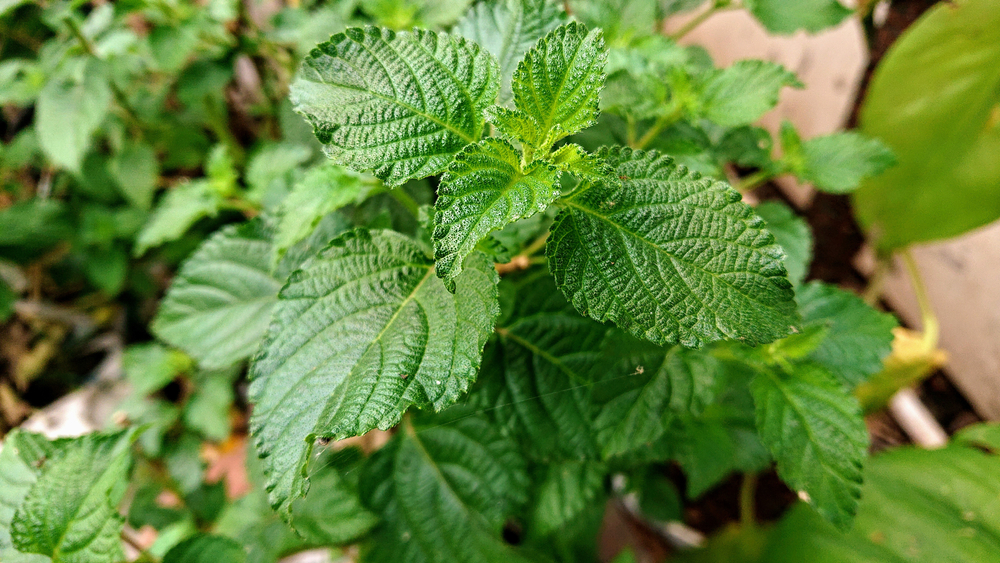
Certain plants frequently get passed around because they grow easily, but that ease often signals trouble. Species like mint, bamboo, English ivy, and purple loosestrife rank among the most commonly shared—and regretted—garden additions. These plants spread aggressively through roots or seeds, quickly escaping garden beds and invading lawns or neighboring properties. Once established, they demand constant maintenance or professional removal to control their spread. Accepting these plants without research can lead to years of frustration.

Image source: Shutterstock.com

Gardeners often assume that if a plant thrives locally, it must be a good choice for their yard. Unfortunately, invasive plants thrive precisely because they lack natural predators or controls in their new environment. That advantage allows them to dominate landscapes while other plants struggle to compete. Even small cuttings can regenerate and spread, making casual sharing particularly risky. Checking local extension office recommendations or invasive species lists helps avoid introducing plants that could cause long-term damage.

The Real Cost of “Free” Plants

Free plants may save money upfront, but they can lead to expensive consequences over time. Removing invasive plants often requires specialized tools, repeated treatments, or even professional landscaping services. Some species can damage structures, clog drainage systems, or invade foundations, leading to repair costs that far exceed any initial savings. Homeowners associations or local regulations may also require removal of certain invasive species, adding legal pressure to the situation. What seemed like a budget-friendly choice can quickly turn into a financial burden.

Time also plays a major role in the true cost of invasive plants. Hours spent pulling, digging, and managing regrowth add up quickly, especially when dealing with persistent species. Many invasive plants regenerate from even the smallest root fragments, making complete removal a challenge. This ongoing maintenance steals time away from more enjoyable gardening activities. Investing in safe, non-invasive plants from the start often proves far more economical in the long run.

How to Accept Plants Without Risking Your Yard

Accepting plants from friends and neighbors doesn’t have to be risky, but it requires a careful approach. Always ask for the exact name of the plant and research its growth habits before bringing it home. Look for signs of aggressive spreading, such as runners, rhizomes, or heavy self-seeding behavior. If uncertainty exists, consider planting the gift in a container rather than directly in the ground. This simple step allows control while still enjoying the plant’s beauty.

Inspect gifted plants closely for hidden issues before introducing them to your yard. Check for pests, diseases, or unwanted hitchhiking plants that may come along with the soil. Quarantining new additions for a short period helps prevent accidental spread of problems. Choosing native or well-behaved species ensures a healthier, more balanced garden environment. A little caution upfront protects both the yard and the surrounding ecosystem from unnecessary stress.

Protect Your Yard Before Problems Take Root

A thriving garden depends on thoughtful choices, not just attractive plants. Invasive species often arrive quietly, disguised as generous gifts, but they can quickly disrupt even the most carefully planned landscapes. Taking time to research, inspect, and control new additions prevents costly mistakes and preserves the beauty of outdoor spaces. Gardeners who stay informed enjoy healthier plants, lower maintenance, and fewer surprises. Smart decisions today keep the yard manageable and enjoyable for years to come.

What “free” plant has caused the most trouble in your yard, or which one would you never accept again? Let’s hear your thoughts in the comments below.

You May Also Like…

Buying “Last Year’s” Seeds: Does It Actually Matter for Your Harvest?

The Solar-Powered Trick: Using Free Heat to Triple Your Growing Season

12 Garden Gifts Every Plant Lover Actually Uses All Year

Here Are 5 Great Christmas Gifts For The Gardener In Your Life

8 Of The Best Gardening Gifts For Your Green-Thumb Friends

The post The Invasive Plant Warning: These “Free” Gifts Could Ruin Your Yard appeared first on Frugal Gardening.

Sign up to read this article
Read news from 100's of titles, curated specifically for you.
Already a member? Sign in here
Related Stories
Top stories on inkl right now
One subscription that gives you access to news from hundreds of sites
Already a member? Sign in here
Our Picks
Fourteen days free
Download the app
One app. One membership.
100+ trusted global sources.