
It’s one of the first and most reliable signs that shoppers are feeling the economic pinch. You go to the grocery store to pick up a simple bag of dried lentils, pinto beans, or rice, and the aisle is wiped clean. It’s not a supply chain failure or a recall; it’s a predictable consumer reaction to rising prices. When inflation spikes, these humble, shelf-stable ingredients are the first things to disappear from the shelves. But why?
It’s a “Protein Trade-Down”
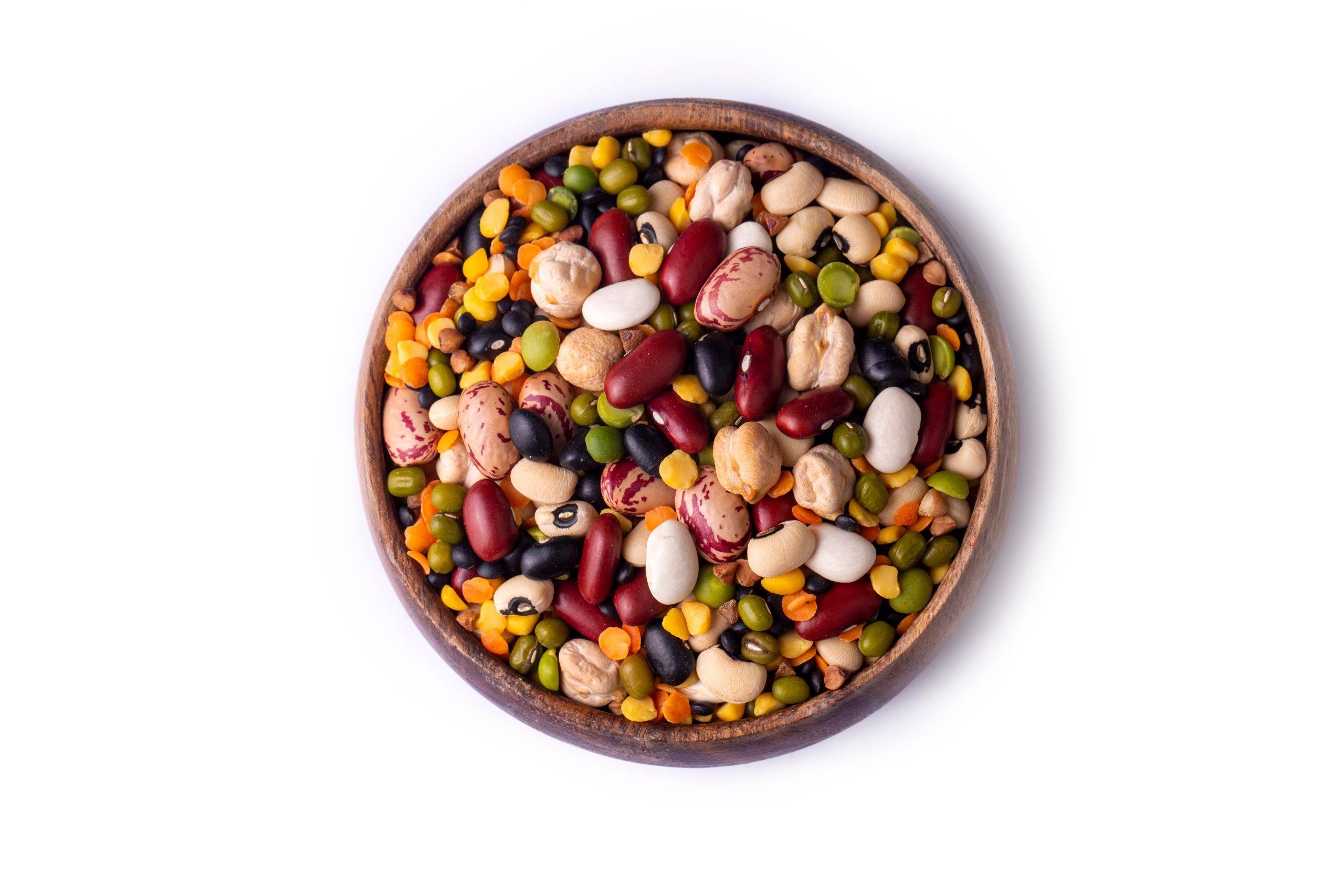
The primary driver is simple math. As the price of meat—especially beef and chicken—climbs, families look for cheaper ways to put protein on the table. Dried beans, lentils, and rice represent the most affordable, nutrient-dense, and shelf-stable form of protein and calories you can buy. Shoppers aren’t just buying less beef; they are actively replacing it. The bag of lentils you see as a simple side dish is what another shopper sees as a full, affordable replacement for a $20 roast.
They Are the Ultimate “Meal Stretchers”
When times get tough, you don’t just change what you cook; you change how you cook. These ingredients are the key to “recession cooking”—the art of stretching one expensive ingredient into a meal for a whole family. That single pound of ground beef you bought can be “stretched” with a cup of dried beans and tomato sauce to become a pot of chili that feeds eight. A single chicken breast, shredded, can provide the flavor for an entire pot of rice and vegetables. These ingredients are the ultimate budget-stretchers, and savvy shoppers know it.
It’s a Hedge Against Future Prices
This is the psychological trigger that creates the actual shortage. Unlike a steak or a gallon of milk, a 20-pound bag of rice or a 5-pound bag of pinto beans will last for years. When shoppers see prices going up 10% month over month, they make a rational calculation: “Why buy one bag for this week when I can buy five bags for the next six months at today’s price?” This isn’t just shopping; it’s “inflation hedging” your pantry. This sudden, massive wave of “stock-up” buying is what drains the store’s inventory overnight.
The Other “Canaries in the Coal Mine”
Once the beans and rice are gone, the stock-up panic quickly spreads to other items associated with “making it from scratch” to save money.
- Flour and Sugar: Shoppers stop buying $5 loaves of bread and start baking their own for a fraction of the cost.
- Yeast: You can’t bake bread without it, and it’s the next logical item to disappear.
- Pasta: It’s another cheap, shelf-stable carbohydrate that can be a meal in itself.
- Potatoes and Onions: Sold in large, cheap bags, these are the versatile workhorses of any budget-friendly meal.
How to Protect Your Pantry
The lesson for a coupon-conscious shopper is to be prepared. Don’t wait until the panic starts. The time to stock up on these items is before everyone else does. When you see a great sale on rice, lentils, or pasta, buy an extra bag or two. By maintaining a small, “rolling pantry” of these basics, you’ll never be the person left staring at an empty shelf, and you’ll have already locked in your prices long before inflation hits the headlines.
What to Read Next
- 9 Popular Meats That Vanish First Whenever Inflation Surges Again
- The Real Reason Beef Prices Keep Soaring (It’s Not Just Inflation)
- 6 Supermarket Sections Where Prices Are Outpacing Inflation
- Is Inflation Killing What’s Left Of Mom and Pop Restaurants?
- 8 Restaurant Chains That Charge More But Serve Less—Is It Greed or Inflation?
The post The Ingredient That Disappears from Shelves Every Time Inflation Spikes appeared first on Grocery Coupon Guide.