
Image Source: Shutterstock.com
Something fascinating is happening in kitchens across the country right now. As grocery prices continue to stretch household budgets, people aren’t just hunting for coupons or swapping brands — they’re reaching back nearly a century for inspiration. Depression-era meals, once born out of pure necessity, are suddenly finding their way back onto modern dinner tables.
It’s not because people want to relive the hardships of the 1930s. It’s because these dishes are simple, filling, and surprisingly comforting in a world that feels increasingly complicated. Many of these recipes rely on pantry staples, stretch ingredients farther than you’d think possible, and deliver a kind of nostalgic charm that feels oddly refreshing in 2026.
1. The Humble Yet Mighty “Hoover Stew”
Hoover Stew earned its name during the Great Depression, when families needed to feed several people with whatever they had on hand. Traditionally, it combined macaroni, canned tomatoes, hot dogs, and sometimes beans or corn. It wasn’t glamorous, but it was cheap, filling, and easy to scale up.
In 2026, this dish is resurfacing because it checks every box for a budget-conscious household. Pasta remains one of the most affordable staples, canned tomatoes are shelf-stable and versatile, and hot dogs are still one of the least expensive proteins available. People are customizing it with vegetables, spices, or different types of sausage to make it feel more modern without losing its original spirit.
2. The Return of Potato Pancakes as a Dinner Staple
Potato pancakes have roots in several cultures, but during the Depression they became a go-to dinner because potatoes were cheap, filling, and available even when other ingredients were scarce. Families grated potatoes, mixed them with a little flour and egg, and fried them into crisp, golden patties that could stretch a meal further than you’d expect.
Today, they’re making a comeback because potatoes remain one of the most budget-friendly foods in the grocery store. People are rediscovering how versatile they are, especially when paired with simple toppings like applesauce, sour cream, or sautéed onions. Some home cooks are even turning leftover mashed potatoes into patties to avoid waste.
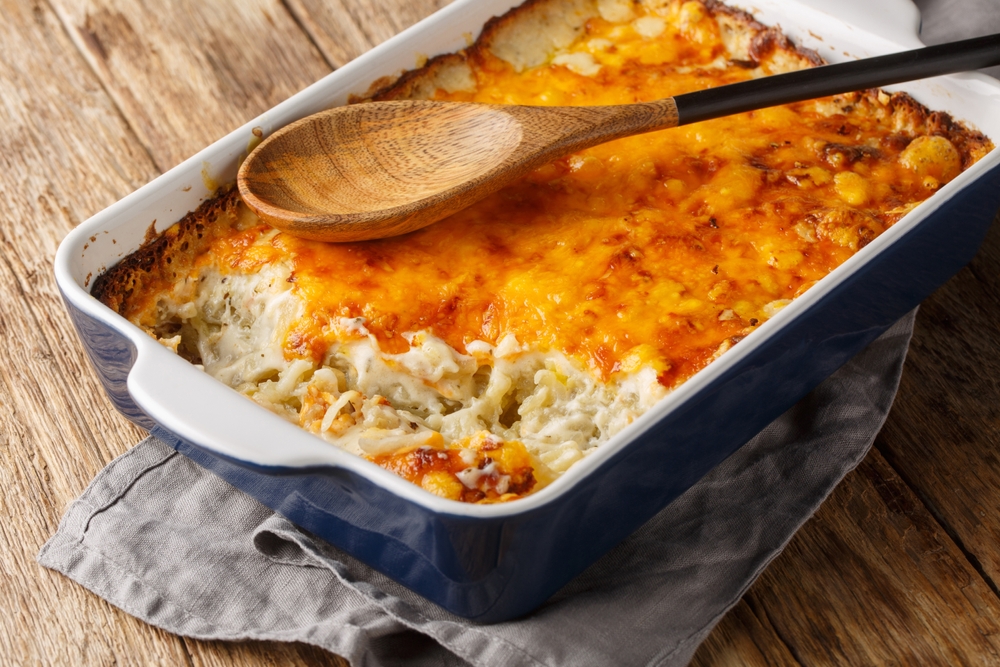
3. The Revival of “Poor Man’s Casserole”
Casseroles were a Depression-era hero because they stretched small amounts of meat with inexpensive fillers like potatoes, rice, or noodles. One of the most common versions was a layered dish of potatoes, onions, and ground beef, baked slowly until everything melded together. It wasn’t fancy, but it was hearty and reliable.
In 2026, casseroles are back in rotation because they’re efficient, comforting, and perfect for meal prepping. Many families are adapting the classic version by adding vegetables, swapping in turkey or plant-based proteins, or seasoning it more boldly than cooks did in the 1930s. The appeal is the same, though: one dish, minimal effort, maximum leftovers.
4. The Comeback of Beans and Rice as a Full Dinner
Beans and rice have been staples around the world for centuries, and during the Depression they became a lifeline for families who needed affordable, nutritious meals. Beans provided protein and fiber, rice added bulk, and together they created a complete meal that could be seasoned in countless ways.
In 2026, this combination is gaining popularity again because it’s one of the most cost-effective dinners you can make. Dry beans and bulk rice remain inexpensive, and the dish adapts easily to different cuisines. People are adding spices, vegetables, and sauces to create variations inspired by Latin American, Southern, Caribbean, and Asian cooking.
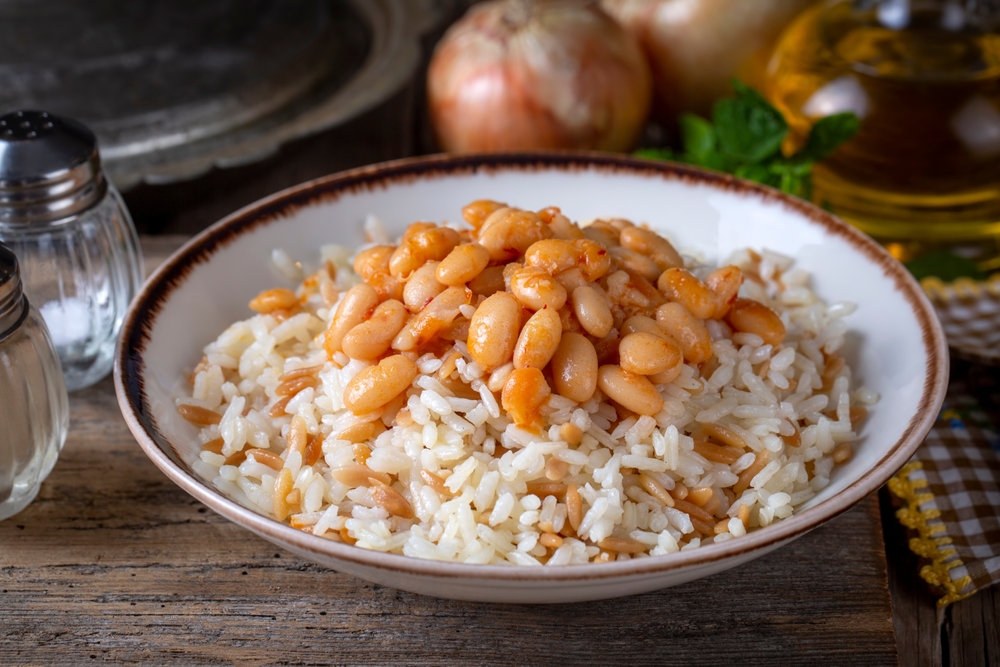
Image Source: Shutterstock.com
5. The Reappearance of “Mock” Dishes
During the Depression, families created “mock” versions of foods they couldn’t afford. Mock apple pie, for example, used crackers instead of apples, relying on spices and sugar to mimic the flavor. Mock chicken legs were made from ground meat shaped around sticks. These dishes were creative solutions to limited resources.
While not all mock dishes are returning, the concept absolutely is. In 2026, people are making “mock” meals by substituting expensive ingredients with cheaper alternatives. Lentils are standing in for ground beef, mushrooms are replacing pricier cuts of meat, and canned fruit is being used in place of fresh produce when prices spike.
6. The Revival of Simple Vegetable Soups
Vegetable soups were a Depression-era staple because they allowed families to use every scrap of produce they had. Carrot tops, celery leaves, potato peels — nothing went to waste. A pot of soup could feed several people and stretch ingredients farther than almost any other method.
In 2026, vegetable soups are returning because they’re economical, nutritious, and perfect for using up ingredients before they spoil. People are simmering leftover vegetables with broth, herbs, and inexpensive grains like barley or rice to create meals that feel both comforting and practical.
Why Old Recipes Still Matter in a New Era
These Depression-era dinners aren’t coming back because people want to relive the past. They’re returning because they offer something we still need today: meals that are affordable, adaptable, and rooted in resourcefulness. In a time when grocery bills feel unpredictable, these dishes remind us that good food doesn’t have to be complicated or expensive.
Which Depression-era dish would you try — or avoid — in 2026? Give us your culinary thoughts in the comments section.
You May Also Like…
Virginia Baby Food Ban: 5 Specific Brands Just Prohibited Under New Safety Laws
Virginia Law: The “Baby Food Protection Act” Just Banned These Brands from Shelves
9 Traditional Family Routines That Help Kids Feel Secure
8 Subtle Signs Someone Is Watching You at the Grocery Store
Large Family Grocery List: 12 Must-Have Items to Keep Everyone Fed and Happy
The post The “Inflation Menu”: 6 Depression-Era Dinners Making a Comeback in 2026 appeared first on Kids Ain't Cheap.