Last year, based on a scenario in which 22 states banned abortion, Middlebury College economist Caitlin Knowles Myers projected that the annual number of abortions in the U.S. would fall by about 14 percent. In Texas, which banned the vast majority of abortions last September and avoided early judicial intervention by restricting enforcement to private civil actions, the net impact seems to have been a drop of about 10 percent.
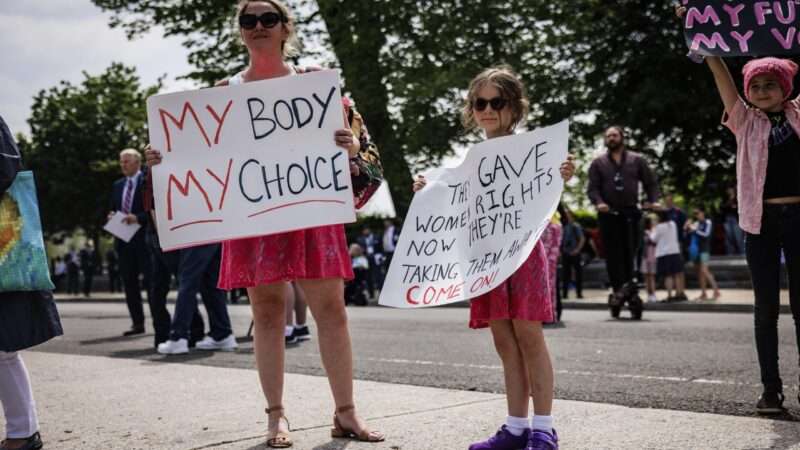
Americans should keep those surprisingly modest estimates in mind as they try to predict what will happen after the Supreme Court overturns Roe v. Wade, as a leaked draft of the majority opinion in Dobbs v. Jackson Women's Health Organization suggests it will soon do. While many states are expected to respond by imposing severe restrictions on abortion, most probably will not. And even in states that ban elective abortions, workarounds will mitigate the impact of those laws.