
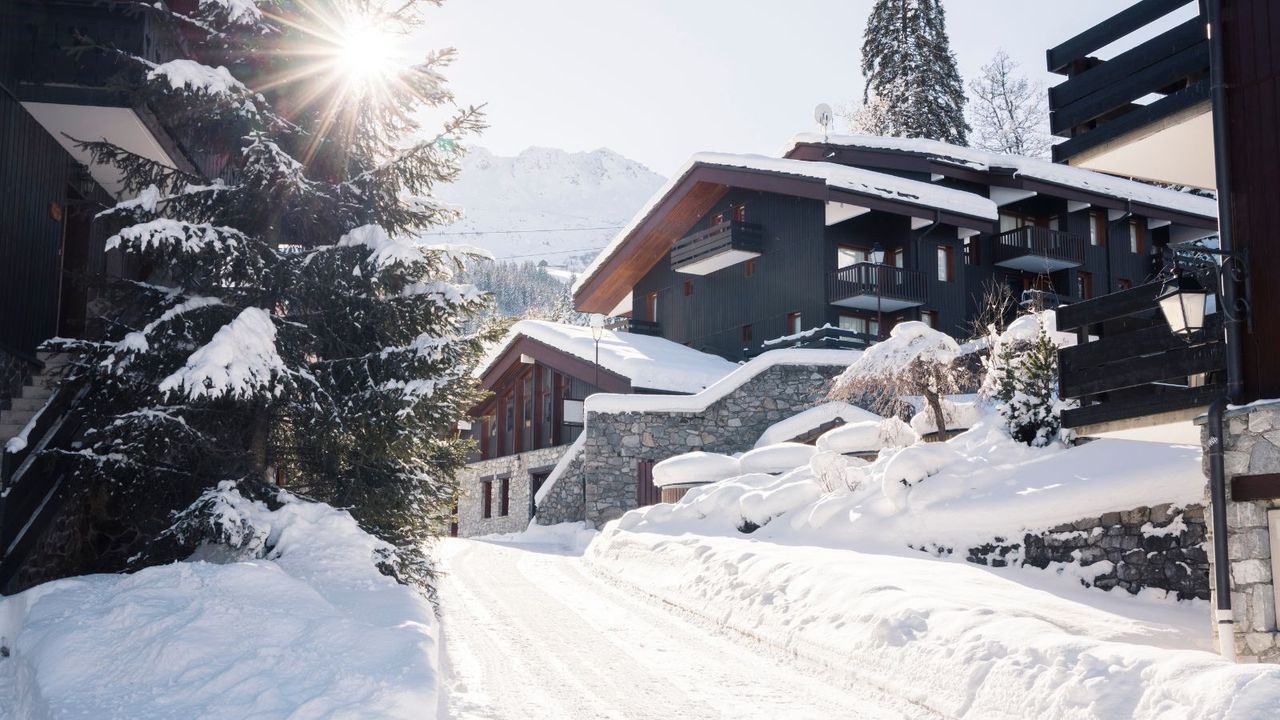
When it comes to icy driveways, most homeowners focus on what to use – but when you apply it matters just as much.
Salting at the wrong time can be ineffective, waste product, and still leave dangerous slick spots behind. That's why experts say timing is the key to safe, ice-free results.
Here's exactly when the pros apply salt to driveways when winterizing a home for a safer winter.
The Ideal Time to Salt a Driveway
While deciding between ice melt vs rock salt is part of winterizing your home, whichever you pick, applying it at the right time ultimately makes more of a difference to the results. Generally speaking, to make removing snow from a driveway easier and safer, you need to apply the salt before ice arrives, and not after.
Applying salt before ice bonds to the surface helps prevent buildup, while waiting too long can make ice harder to break and less responsive to treatment – especially in extreme cold.
Aaron Strickland, lawn care and gardening expert at Mr. Trim Lawn & Garden Services, explains, 'The best time to salt a driveway is before snow (less than two cm), or ice begins, provided there isn't excessive rain with ice pellets, which will wash away the salt.
'Pre-treating prevents snow and ice from bonding to the pavement, making shovelling much easier and reducing ice formation. This works best when the driveway is dry or only slightly wet.'
Christopher Spinieo, president at Spinieo Inc, agrees, explaining that this happens because, 'When you pre‑salt, a thin salt layer converts the first moisture into brine, creating a barrier under incoming snow and ice that keeps it from sticking to the driveway. You also benefit from using less salt when pre-salting is performed.'
Not only does this help you to save money at home, but it can also have a reduced impact on your yard and its surrounding environment.
The conditions outside can also have an impact on what you choose to apply to your driveway for the best results, Aaron continues. 'Temperature is very important role in how effective the salt will be. Rock salt works best above 14 °F (-10 °C), but in colder conditions, treated salt (such as the pet-friendly ice melt Natural Rapport from Amazon) is more effective.'
What to Do if You Salt Too Late
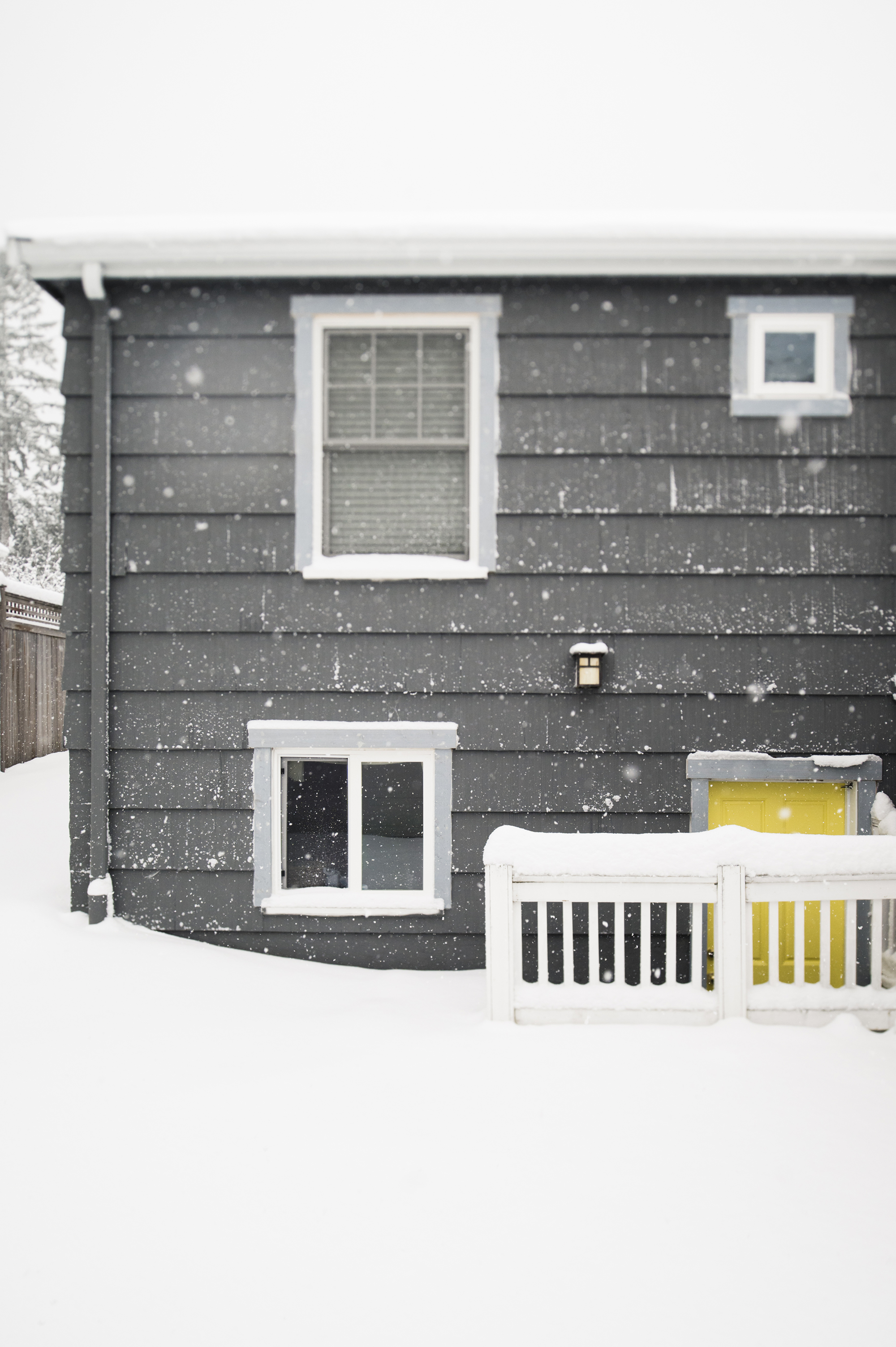
If the snow has already arrived and it's too late for pre-salt, all is not lost, Aaron assures.
'After snow has already started to build up (greater than four cm), it is better to shovel the snow safely first and then apply the salt, spreading it evenly rather than piling it on. Over-salting can damage concrete, so using it sparingly is key on walkways and patios.'
When shoveling snow on potentially icy ground, consider wearing shoe cleats from Amazon to add extra grip and prevent slipping. Then, use the right technique for shoveling snow to avoid injury.
What to Shop
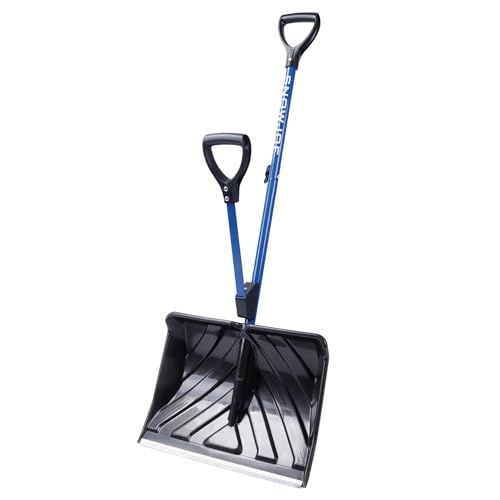
Designed for comfort, durability, and ease of use, this large shovel makes tackling heavy lifting and challenging tasks during the winter season simpler.
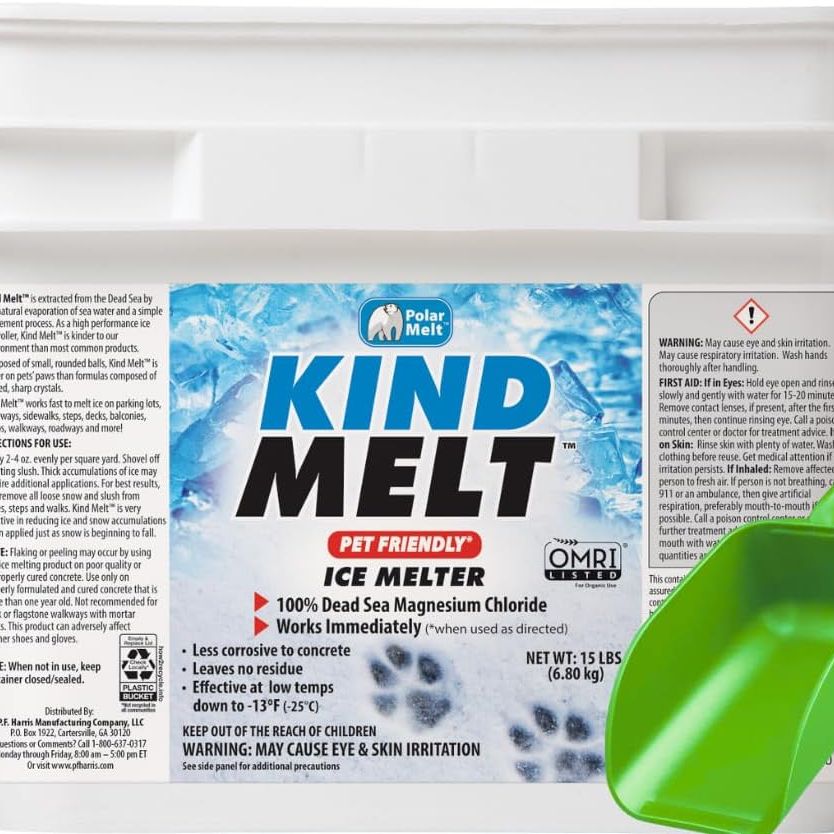
This 100% Magnesium Chloride formula won't burn or irritate pets' paws and comes in a round pellet form with no jagged crystals.

This electric snow blower can easily and automatically clear snow that is 14.4 inches wide and just over six inches deep, and throw it to a distance of 26 feet. It operates for 35 minutes on one charge.
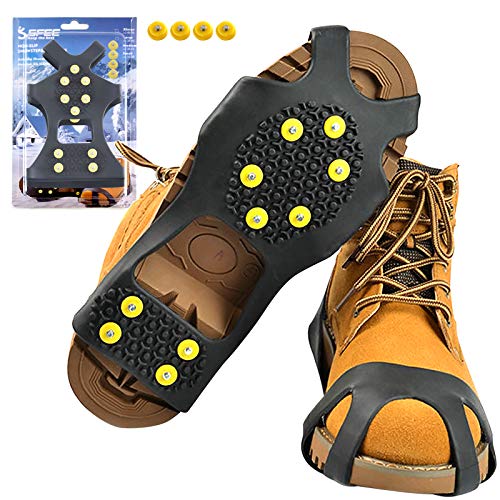
Avoid risky slips when clearing snow and ice by using slip on snow cleats over your winter boots.
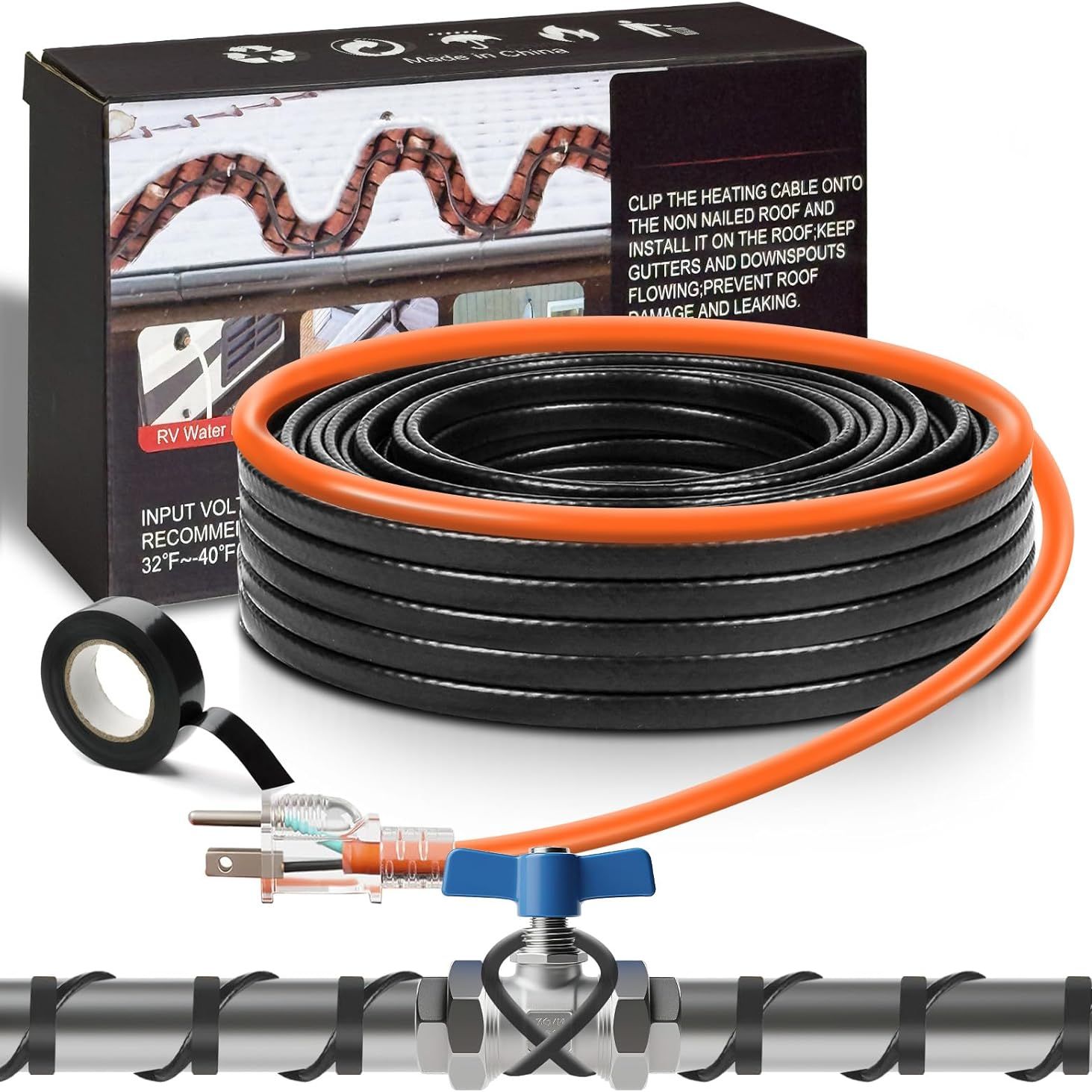
Your driveway isn't the only consideration in heavy snow. Adding heat cables to your roof can help to prevent ice dams in freezing weather, reducing the risk of roof leaks.

These driveway markers are designed to be highly visible at night and in adverse weather conditions, making it easier to clear snow and ice from the areas you need, and safely use your driveway in wintery conditions.
Meet the Experts
Understanding how to apply ice melt is just as important as when to apply it. Luckily, the experts have spilled their secrets for that, too.