
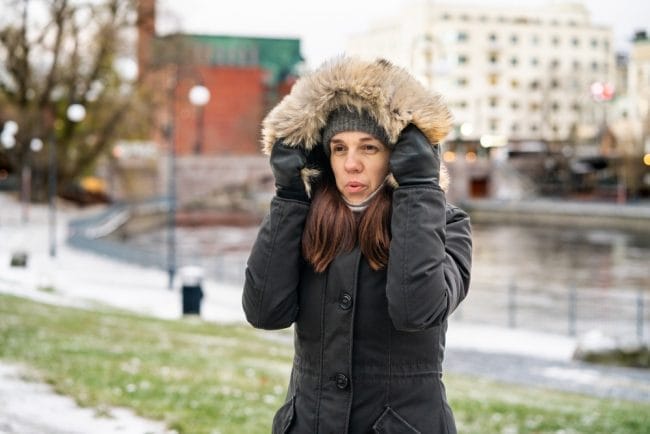
Your body sends signals like tiny needles into your knees when temperatures drop. You might think this is just a sign of aging or a bad luck streak. However, a complex biological process is at play deep inside your tissues. It is frustrating to feel like a human barometer before every winter storm.
The weather is not just chilly; it is actively changing the physics of your body. You aren’t imagining the pain and it isn’t your fault you are hurting. Understanding the cause helps you manage the discomfort with real confidence. Let us explore the science behind these seasonal aches together.

1. The Barometric Pressure Expansion Trap
Most people blame the cold temperature alone for their stiff knees. The real culprit is often the sudden change in atmospheric pressure outside. Air pressure drops when a cold front moves in during the winter months. This allows your body tissues to expand slightly inside your skin.
This expansion puts extra pressure on your nerves and your sensitive tendons. Consequently, you feel that familiar deep throb in your joints and back. It is a physical reaction to the shifting world around you. Your body is literally taking up more space than it does in the heat. For a scientific overview, see Harvard Health’s explanation here.
2. The Thickening of Your Internal Lubricant
Natural lubricant in your joints gets thicker in lower temperatures than it should. This fluid is called synovial fluid and it keeps your bones moving smoothly. When it gets cold, it becomes more like sludge than high-quality oil. This increases friction inside the joint capsule every time you try to walk.
It makes simple actions like standing up feel mechanical and stiff. You might notice more clicking or popping sounds in your hips and knees. Keeping your body temperature up is the only way to thin this fluid back down. It is a matter of basic physics inside your moving parts. This process is well documented by medical professionals here.
3. The Redirection of Your Blood Flow
Your body pulls blood away from your hands and feet to protect your core. This is a survival mechanism to keep your heart and lungs warm and safe. However, it leaves your joints without the warm blood they need to stay flexible. Less blood flow means less oxygen reaching the tissues that need to stay healthy.
This can make existing injuries feel much more painful than they do in July. Your joints are literally starving for warmth and better circulation. This is why keeping your hands and feet covered is so important for immediate pain relief. Warmth is the fuel your joints need to function correctly.
4. The Vicious Cycle of Winter Inactivity
Cold weather keeps us indoors and stationary which hurts your overall joint health. When you stop moving, your joints become even more rigid and painful. Movement is what keeps the lubricant flowing through the joint capsule. In February, many people skip their usual walks or gym visits to stay warm.
This lack of motion allows inflammation to build up in the sensitive tissues. The less you move, the more it hurts to start moving again later. It is a cycle that contributes to chronic winter pain for many adults. Breaking this cycle is the best way to maintain your range of motion. You can find more tips to ease arthritis pain here.
5. The Heightening of Your Nerve Sensitivity
Cold temperatures can actually lower your pain threshold and intensify minor aches. The same injury might feel much worse in the winter than it does in the summer. Your nerves become more reactive to the signals of discomfort and stiffness.
This means you feel pain more sharply and for a longer duration of time. It is not all in your head; your nervous system is actually more sensitive now. This heightened state makes every minor ache feel like a major problem. Understanding this can help you stay calm when the pain flares up unexpectedly. It is a temporary shift in how your body processes environmental signals.
Reclaiming Your Freedom of Movement
You do not have to be a prisoner to the weather forecast this winter. While you cannot control the pressure, you can influence how your body reacts. Keeping your joints warm is essential for maintaining fluidity and comfort. Use layers and gentle movement to stay loose throughout the cold day.
Think of your body as a system needing a longer warm-up period. Start your day with light stretching before you even head outside. Stay hydrated and stay active during these difficult winter months. Water is essential for maintaining the quality of your internal joint fluid.
Remember that this struggle is a biological reaction not a sign of defeat. You have the tools to mitigate the pain and enjoy your life. Dress in warm fabrics that trap heat close to your skin at all times.
Use heating pads on stubborn spots in the evening to relax your muscles. Stay consistent with your exercise even if it is just a short walk. Small efforts lead to big results in joint comfort and happiness.
How do you keep your joints moving when the temperature hits a new low? Drop your favorite winter wellness tip in the comments!
What to Read Next…
- 8 Signs Your Healthy Southern Diet is Actually Causing Inflammation
- Salmonella Outbreak 2026: Check Your Pantry for These Two Common Health Supplements
- Is Your Morning Coffee Choice Ruining Your Gut? 5 Signs You’re Brewing a Health Problem
The post The Hidden Reason Your Joints Hurt More in Cold Weather appeared first on Budget and the Bees.