Shoppers are switching to store brands in record numbers to save money. However, in some cases, a “cheaper” private-label product is not the value it appears to be. Manufacturers will sometimes use hidden, low-cost fillers in their store-brand products. This allows them to dilute the main, expensive ingredient. This means that you are paying more for less of the actual food you intended to buy. You should always check the ingredient list for these common fillers.
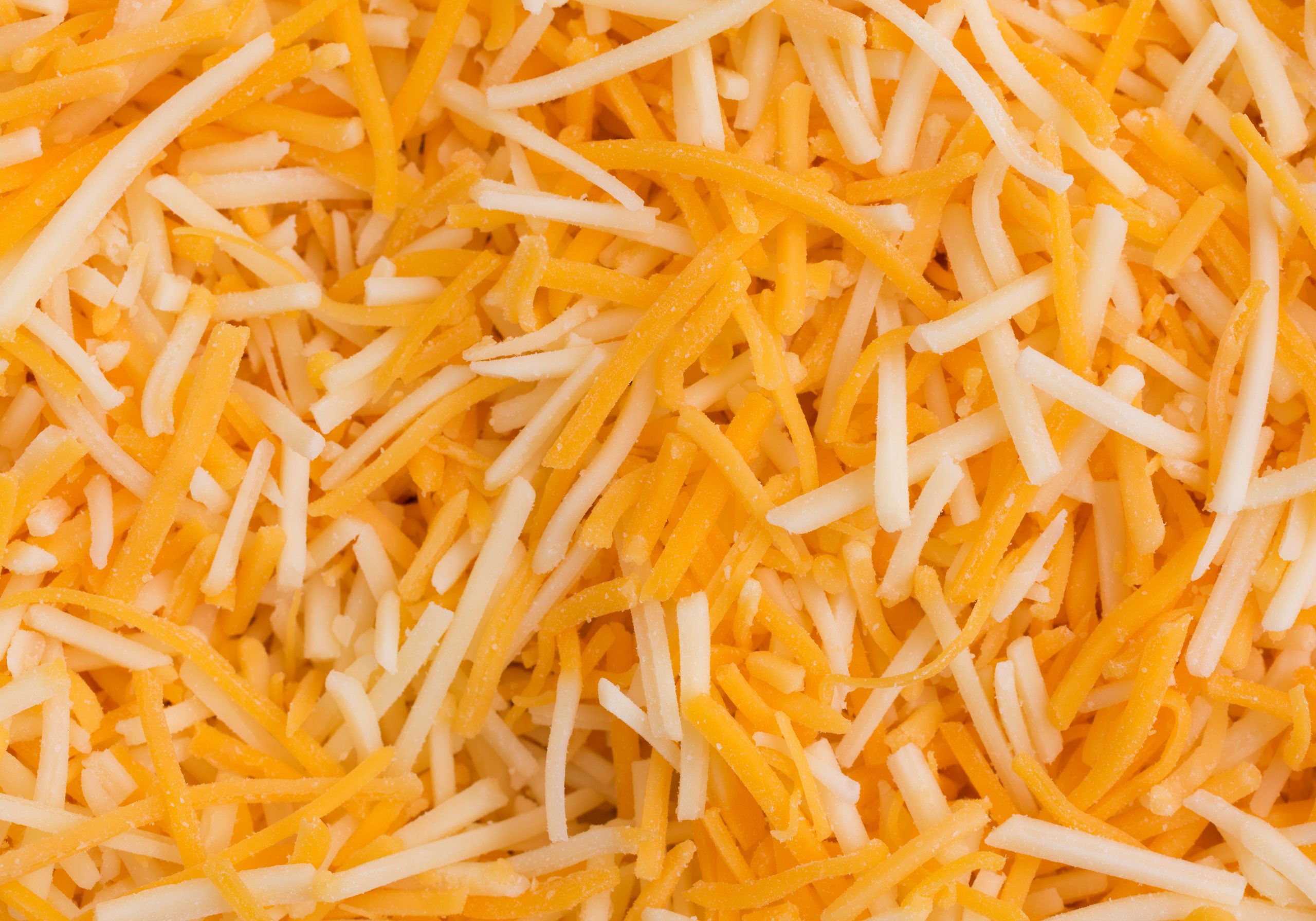
Cellulose in Shredded Cheese
Cellulose, which is a plant fiber sourced from wood pulp, is a common additive in pre-shredded cheese. It is used as an anti-caking agent. It prevents the shreds from sticking together in the bag. While it is safe to eat, some store brands have been found to use a very high percentage of this cheap filler. This means that a portion of the “cheese” you are paying for is actually just flavorless, non-nutritious plant fiber.
“Brine Solution” in Frozen Chicken
A bag of frozen, store-brand chicken breasts is often “plumped.” This means it has been injected with a saltwater brine solution. The label will state that the chicken contains “up to 15% chicken broth.” This is a way for the manufacturer to sell you salt and water at the price of chicken. This added moisture also ruins the texture of the meat, making it rubbery when cooked.
Water and “Phosphates” in Frozen Shrimp
The same plumping trick is used on frozen seafood. A bag of frozen shrimp will often have “sodium tripolyphosphate” (STPP) on its ingredient list. This is a chemical that causes the shrimp to absorb a huge amount of water before it is frozen. This added water weight can account for a significant portion of the price you are paying. When you cook the shrimp, this water will melt away, leaving you with a much smaller product.
Palm Oil in Peanut Butter
A jar of store-brand, “no-stir” peanut butter is often cheaper than the national brand. However, you should check the ingredients. To prevent the natural peanut oil from separating, many store brands will add a solid, hydrogenated vegetable oil, such as palm oil. This cheap oil acts as a filler. It means you are getting less of the healthy, monounsaturated peanut oil and more of a saturated fat.
Modified Food Starch in Soups and Sauces
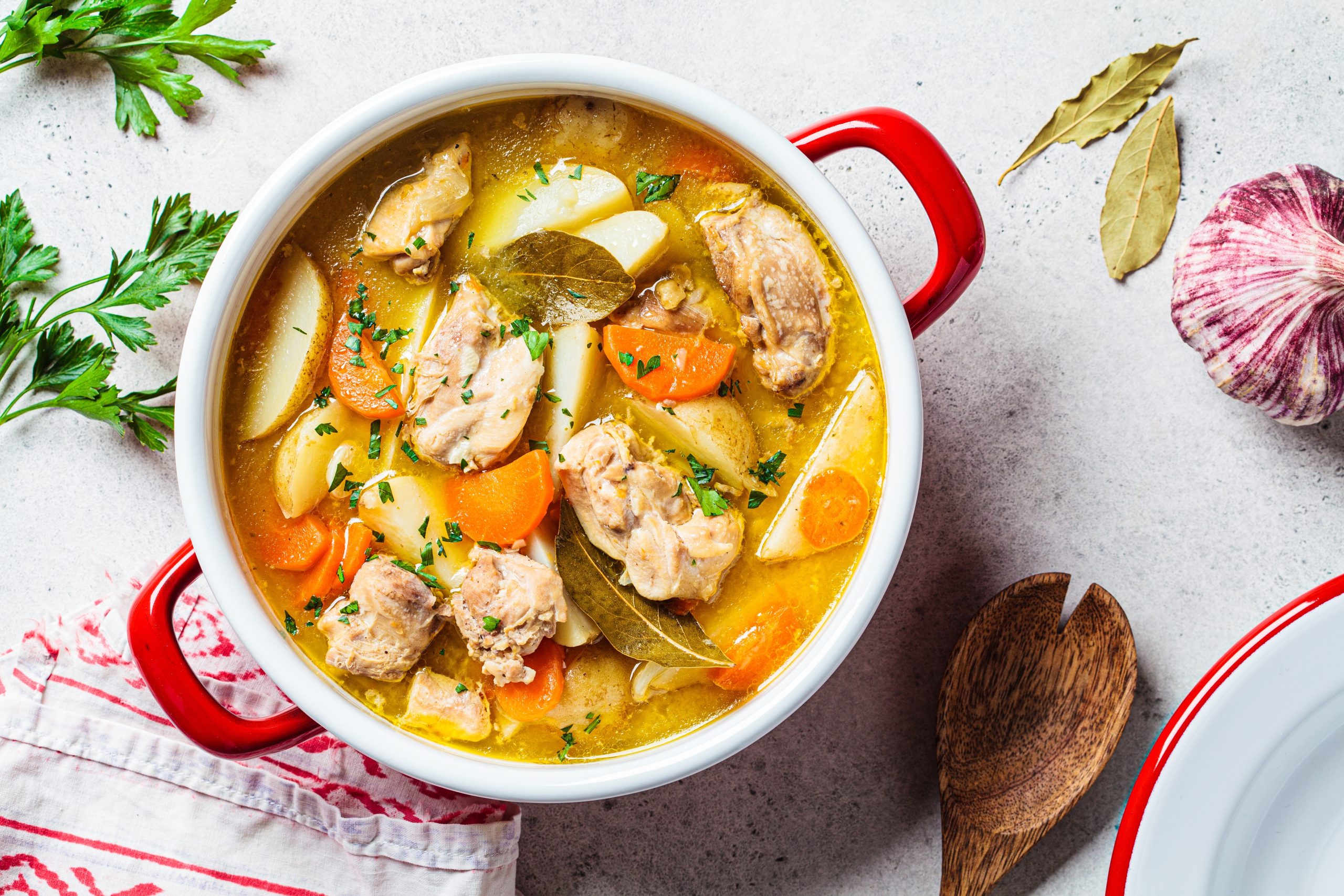
When you buy a can of store-brand soup or a jar of pasta sauce, you might find that it has a thick, gloppy texture. This is often the result of “modified food starch.” This is a cheap filler and a thickener. It is used to create the illusion of a rich and hearty product. In reality, it is a sign that the company has used less of the expensive ingredients, like real vegetables or cream.
The True Cost of a Filler
The use of these hidden fillers is a classic example of “skimpflation.” It is a way for a manufacturer to cut their costs and to hide a decline in quality. The store brand may look like a better deal on the shelf. However, if you are paying for wood pulp and saltwater instead of cheese and chicken, you are not really saving money at all. The only way to know what you are really buying is to ignore the front of the label. You must always read the fine print of the ingredient list on the back.
Does the quality of a store-brand product ever disappoint you? What other hidden ingredients have you found in your food? Let us know in the comments!
What to Read Next
- 13 Store Brand Items That Outperform National Labels
- 11 Store Brands That Beat Luxury Labels Blindfolded
- 6 Store Brands That Outsell National Labels In Blind Taste Tests
- 6 Obscure Store Brands You Need To Try Immediately
- 9 Store Brands Outsourcing to Risky Suppliers
The post The Hidden Ingredient in Some Store Brands That Means You’re Paying More for Less appeared first on Grocery Coupon Guide.