Get all your news in one place.
100's of premium titles.
One app.
Start reading
Everybody Loves Your Money
Brandon Marcus

The Hidden Cost of Paying Only the Minimum on Your Card

The Hidden Cost of Paying Only the Minimum on Your Card
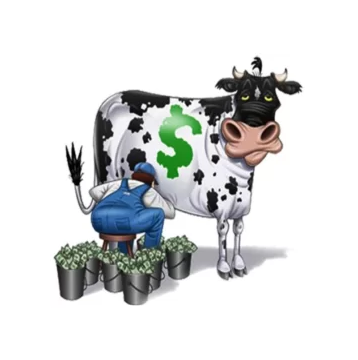
Credit card minimum payments keep accounts active but allow interest to build quietly, turning small balances into long-term debt that costs far more than expected. Shutterstock

Credit cards feel convenient, flexible, and even a little empowering when used for everyday purchases. That ease, however, hides a financial twist that catches many people off guard over time. Paying only the minimum amount each month might keep an account in good standing, but it opens the door to long-term debt that grows silently. Interest charges stack up in the background while balances barely shrink in visible ways. What looks like responsible payment behavior often turns into one of the most expensive money habits in modern personal finance.

The real shock does not come in the first month or even the second. It shows up later, when total payments stretch far beyond what anyone originally spent. Credit card companies design minimum payments to keep accounts active, not to eliminate debt quickly. That structure keeps borrowers engaged in repayment cycles that last years, sometimes even decades. The hidden cost lives in that gap between “allowed” payments and “smart” payments.

The Minimum Payment Trap That Feels Harmless but Costs More Than Expected

Credit card statements often highlight a small minimum payment that feels easy to manage. That number creates a sense of relief because it looks affordable even during tight months. Many cardholders choose it, thinking they avoid trouble as long as they pay something on time. That decision keeps accounts in good standing but barely touches the actual balance owed. Over time, that “safe” choice becomes the foundation of long-term debt.

The trap forms because minimum payments prioritize interest first and principal second. Each month, a large portion of the payment covers interest charges rather than reducing what was originally spent. This structure slows progress in a way that feels almost invisible at first. As balances linger, financial stress builds quietly in the background. The illusion of progress disappears once the total payoff timeline becomes clear.

How Interest Quietly Builds While the Balance Barely Moves

Interest acts like a slow leak that drains financial progress without obvious warning signs. Credit card interest rates often range from high teens to even above twenty percent, depending on the account. That rate compounds daily or monthly, depending on the issuer’s system, which keeps the balance working against the cardholder. Even steady monthly payments struggle to keep up with that compounding growth. The result creates a frustrating cycle where effort never fully matches outcome.

A simple example shows the impact clearly: a $3,000 balance with a low minimum payment can stretch repayment across many years. During that time, total interest can exceed the original purchase amount if payments stay minimal. That outcome surprises many cardholders who assume small monthly payments equal financial control. Instead, interest quietly turns a manageable balance into a long-term financial commitment. The longer the balance stays, the more expensive every purchase becomes.

The Credit Score Illusion That Tricks Cardholders

Credit scores often improve when cardholders make on-time minimum payments. That improvement creates a sense of financial success, even when debt continues to grow. Lenders reward consistent payment behavior, which makes minimum payments feel like the “right” move. However, credit utilization ratios still remain high when balances stay large. That combination sends mixed signals about financial health.

A strong credit score can mask deeper debt problems that continue to expand behind the scenes. Cardholders may qualify for new loans or credit lines while still carrying expensive revolving balances. That access often encourages more spending instead of debt reduction. Over time, total financial obligations increase even when credit looks strong on paper. The illusion of stability hides the real cost of carrying persistent credit card debt.

Smarter Moves That Break the Minimum Payment Cycle

Breaking the cycle starts with shifting focus from “minimum required” to “maximum manageable.” Increasing payments, even slightly, dramatically reduces total interest over time. Extra payments applied directly to the principal shorten repayment timelines and lower long-term costs. That strategy turns a slow debt crawl into visible financial progress. Consistency matters more than large one-time payments.

Budget adjustments also create space for faster repayment without extreme lifestyle changes. Small spending cuts in recurring categories often free up extra cash for credit balances. Debt repayment tools, such as fixed payoff plans or automated higher payments, help maintain discipline. These systems reduce reliance on motivation alone, which often fluctuates month to month. Over time, stronger payment habits build real financial momentum instead of temporary relief.

The Real Price Behind “Just Paying the Minimum”

Minimum payments create comfort in the short term but build pressure in the long term. Credit card debt grows quietly through interest, while repayment timelines stretch far beyond expectations. Credit scores may improve, but total financial health can still decline under the surface. The smartest shift focuses on reducing principal faster instead of maintaining the smallest acceptable payment. Financial freedom grows when payments attack the balance directly instead of just keeping it alive.

What habits could change if debt stopped growing in the background and started shrinking on purpose?

You May Also Like…

Got Your First Credit Card? 9 Costly Mistakes Most People Don’t Realize Until It’s Too Late

6 Credit Card Fees That Can Appear Without Warning—And How They Catch Cardholders Off Guard

Credit Score Pricing Shift: Why Premiums Dropped in Some States

The 2026 Energy Credit: Homeowners Can Save Up to $3,200 — But Only 12% Apply

The $3,000 Family Sinking Fund: Replacing Credit Cards for Emergencies

The post The Hidden Cost of Paying Only the Minimum on Your Card appeared first on .

Sign up to read this article
Read news from 100's of titles, curated specifically for you.
Already a member? Sign in here
Related Stories
Top stories on inkl right now
One subscription that gives you access to news from hundreds of sites
Already a member? Sign in here
Our Picks
Fourteen days free
Download the app
One app. One membership.
100+ trusted global sources.