
Get all your news in one place.
100’s of premium titles.
One app.
Start reading
Grocery Coupon Guide
Shay Huntley

The Hidden Cost of “Organic” When You’re Trying to Stretch Your Grocery Budget

Choosing to buy organic food can feel like a responsible and healthy decision. The “USDA Organic” seal promises that a product was grown without synthetic pesticides or GMOs. However, for a shopper who is on a tight budget, the “organic” label comes with several hidden costs. These costs go beyond the higher price tag. They can make it much harder to stretch your grocery budget. This can turn a well-intentioned choice into a financially stressful one.
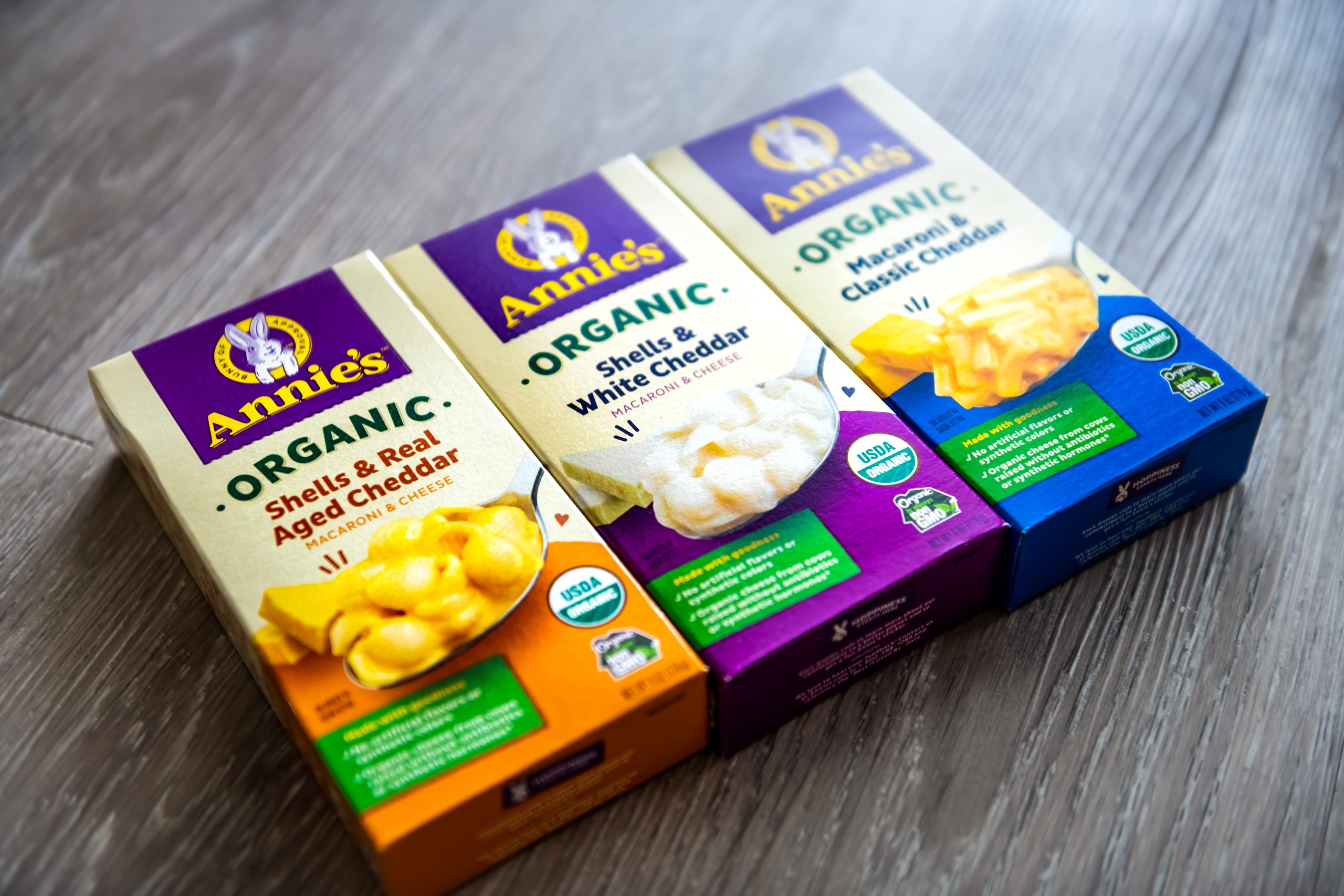

Image source: shutterstock.com

The High Price Premium

The most obvious cost is the price itself. An organic version of a product is almost always significantly more expensive than its conventional counterpart. This premium can range from 20% to 100% or more. Organic farming is a much more labor-intensive and less efficient process. This means the yields are lower. The cost of that inefficiency is passed directly on to you, the consumer. For a family on a budget, this high price can be a major barrier.

It Is Often Not Included in the Best Sales

The best, front-page “loss leader” deals in a weekly flyer are almost always for conventional, brand-name products. The store is not going to put its high-margin, organic items on deep discount. This means that a budget-conscious shopper who is “shopping the sales” will be locked out of the organic section. They are forced to choose between the deep discount on the conventional item or the full price on the organic one.

It Has a Much Shorter Shelf Life

Organic produce is often not treated with the same post-harvest fungicides and waxes as conventional produce. This means that it will spoil much, much faster. A container of organic strawberries might look beautiful in the store. However, it can start to grow mold in just a day or two. This high rate of spoilage is a form of hidden cost. It can lead to a huge amount of food waste, which is a disaster for a tight budget.

The “Health Halo” Effect

The “organic” label can create a “health halo.” This makes you feel good about your purchase. It can also make you less sensitive to the price. It can also lead you to buy organic “junk food.” An organic, sugar-laden cookie is still a cookie. The organic label can trick you into paying a premium price for a product that is not actually any healthier for you.

The Trap of the “Dirty Dozen”

Many health-conscious shoppers will try to “hack” the system. They will use the “Dirty Dozen” list to buy only the most contaminated items as organic. They will buy conventional for the “Clean Fifteen.” While this is a smart strategy, it can also be a trap. It can cause you to spend your entire produce budget on just one or two organic items. This can leave you with less money for other healthy, conventional produce.

The Real Cost of a Label

For a shopper with an unlimited budget, buying 100% organic is a great choice. For a shopper who is trying to stretch their budget, however, it is a much more complicated decision. The high prices, the lack of sales, and the short shelf life are all hidden costs. They can make it much harder to eat a varied and healthy diet. A smart, budget-conscious shopper knows that eating a conventional vegetable is always better than eating no vegetable at all.

How do you balance the desire to buy organic with the need to stick to a budget? Do you think the high price of organic food is worth it? Let us know!

What to Read Next

The post The Hidden Cost of “Organic” When You’re Trying to Stretch Your Grocery Budget appeared first on Grocery Coupon Guide.

Sign up to read this article
Read news from 100’s of titles, curated specifically for you.
Already a member? Sign in here
Related Stories
Top stories on inkl right now
One subscription that gives you access to news from hundreds of sites
Already a member? Sign in here
Our Picks
Fourteen days free
Download the app
One app. One membership.
100+ trusted global sources.