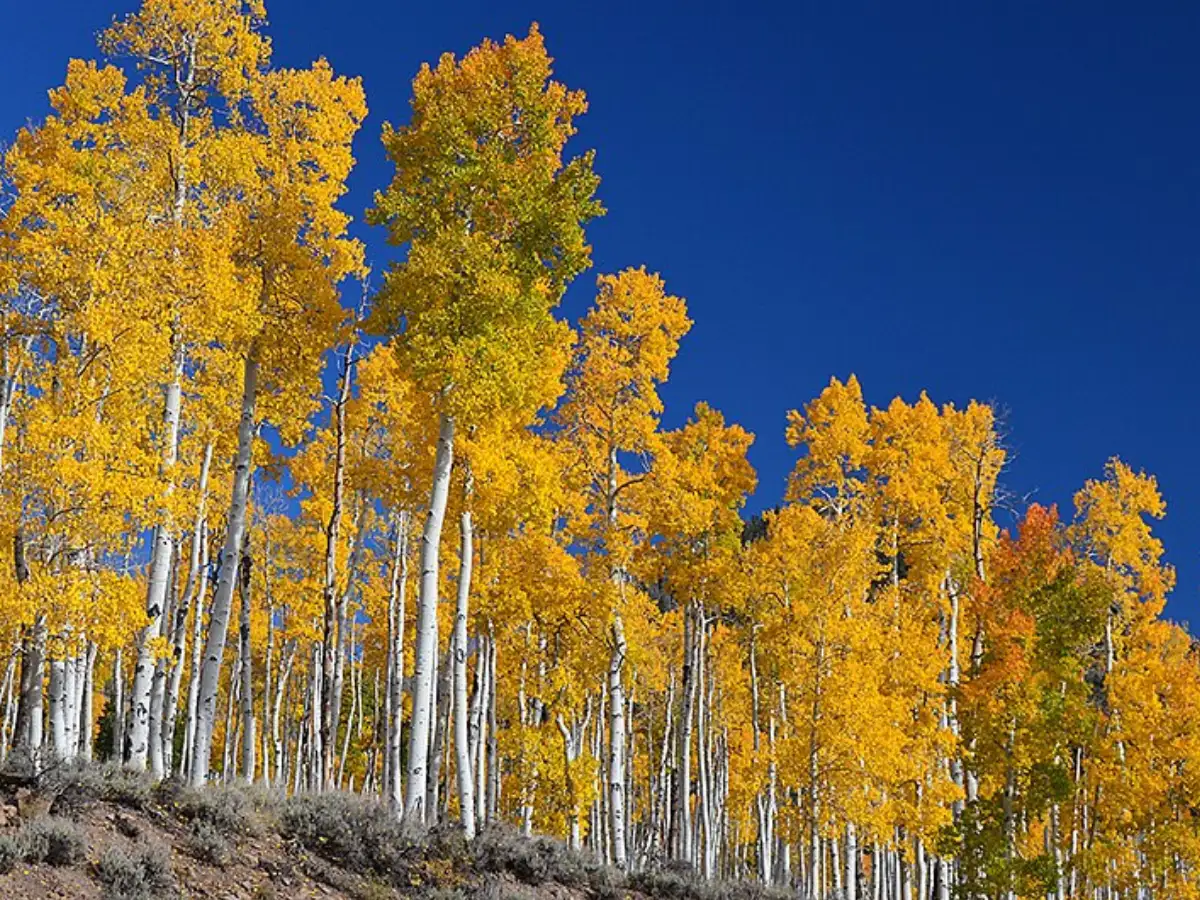
Somewhere in south-central Utah, there's a forest that isn't really a forest. It looks like thousands of individual aspen trees swaying in the wind. But underground, they're all a single living organism, sharing a single root system. Scientists call it Pando, Latin for “I spread.” The molecular genetic study, ‘“Pando” lives: molecular genetic evidence of a giant aspen clone in central Utah,’ published in the Western North American Naturalist, notes that Pando is one giant clone, not a normal forest. The whole story is built on the science of genetic testing.
If you grew up thinking the largest living things on Earth were blue whales or giant sequoias, Pando may change that impression. Pando beats them both in pure weight. It is a striking example of how a single organism can spread over a vast area.