Many midlife women are finding themselves part of the sandwich generation - those who still have children they need to care for, while finding themselves torn between the mental load of their home and work commitments, and the pull of needing to look after ageing parents.
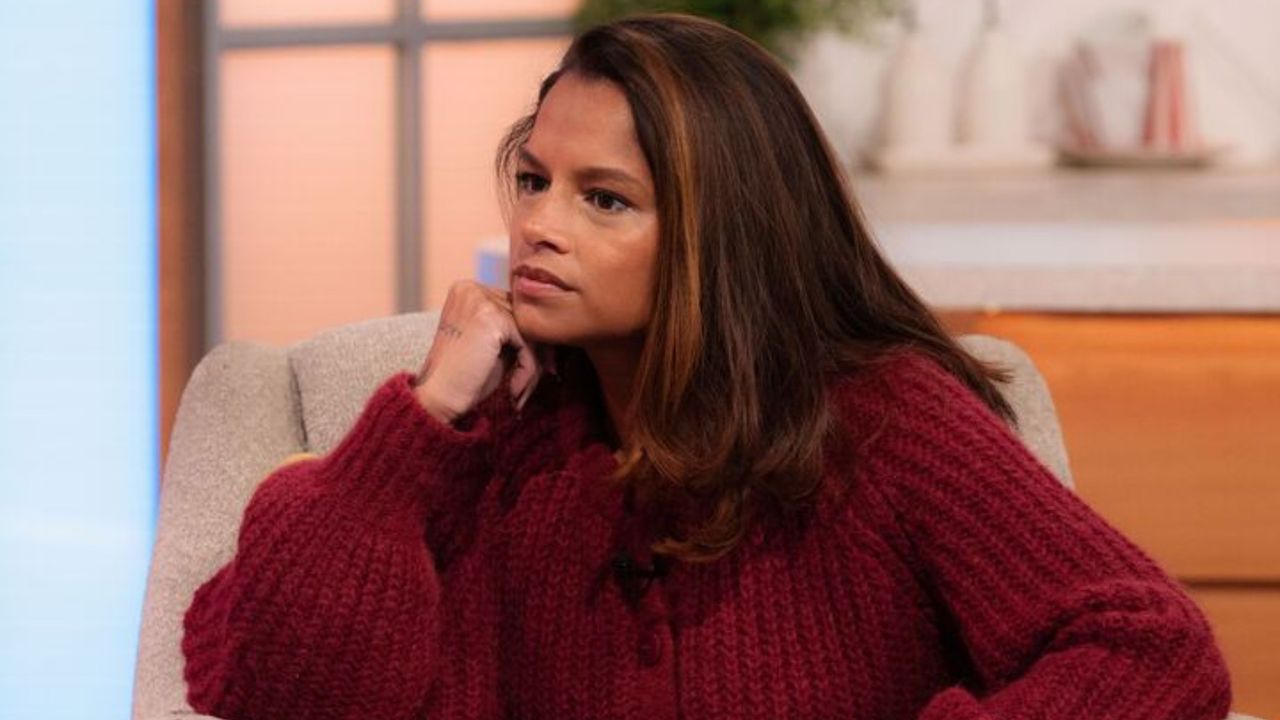
Presenter Dilly Carter is one woman experiencing the burnout that comes with being pulled in many directions while addressing the needs of a parent in need of high levels of care.

After the death of her father, Dilly's mother lived with her and her young family, and her situation was made even more challenging with the added complexities of her mother's bipolar diagnosis.
When Dilly was diagnosed with cancer, her circumstances became too difficult to manage, and she made the decision to put her mother in a care home, something she reveals was both "the hardest decision" she'd ever made, yet completely "transformative" to her life.
Dilly had been adopted from a Sri Lankan orphanage at the age of three, and her mother had become unwell when Dilly was 11. Her mother spent the next decade struggling with her mental health and was in and out of mental health facilities.
While her father worked, Dilly tidied and took care of the home, something that inspired her to go into her current line of work.
In 2005, the presenter's father became unwell and was eventually placed in a care home himself while suffering Alzheimer's and dementia. With her mother unable to care for herself, Dilly told Lorraine Kelly on her morning show it was her "lifelong mission" to "give something back" to her mother and become her carer.
Even with her mother living in an annexe at her home, Dilly shares that she was still in need of extra visits from trained carers. Eventually, with Dilly's cancer diagnosis, she reveals she "just couldn't cope," and life became "just too much."
Dilly recalls "the guilt" and "the stigma" surrounding eventually placing her mother in a home, something countless others will no doubt identify with.
"It has been life-changing for me," Dilly reveals of the decision, adding, "The most important thing is being able to ask for help."
"One person can't carry everything," she says candidly, continuing, "I was trying to carry it all.
"Now, we're back to being mother and daughter," she says of how their relationship has changed from being purely functional to the loving one it once was, now the additional difficulties have been removed from their dynamic.
"The thing with carers is, you don't realise how much you're carrying on your shoulders," Dilly emotionally told Lorraine. "It's not just the physical act of caring, but the emotional toll it takes on you."
"I'd been doing this since I was 11," she says, while recalling how unwell she was herself when she had the conversation with her mother about going into a home, which was initially going to be just for a few weeks of respite care.
However, after those few weeks, Dilly visited to find out how her mother was getting on, to be told, to her relief, that she was "so happy and had never been happier" in her new surroundings.
A positive takeaway from the conversation between Lorraine and Dilly is that it's impossible to do it all and be it all, and there should be no guilt or shame in those caring for their parents to ask for help - moving into a care home can be a positive experience for all involved.