
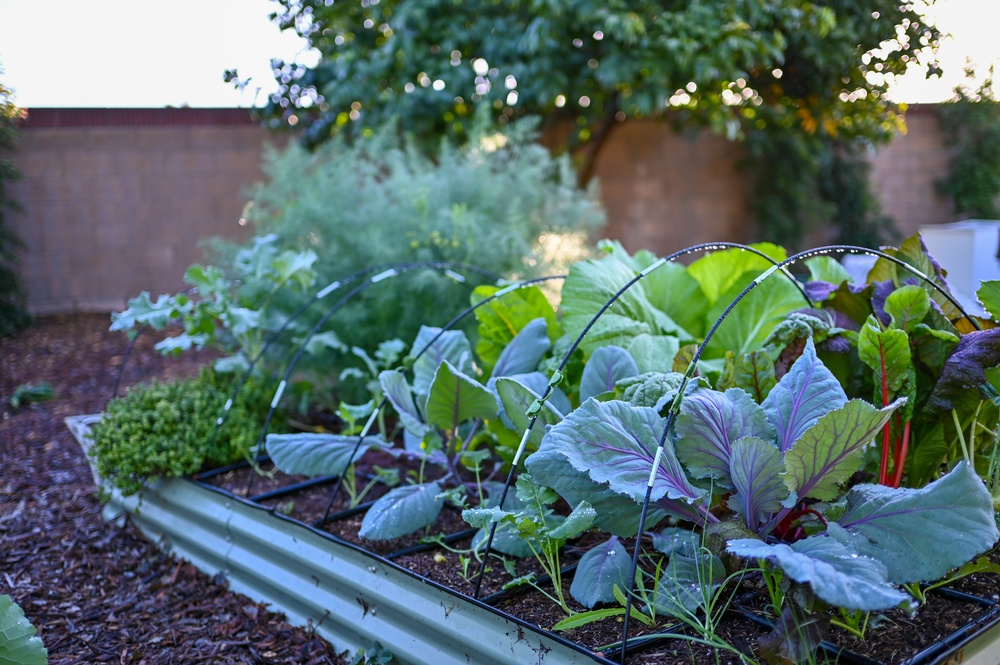
Gardens across the United States often hit a surprising moment when everything seems to slow down, even when care stays consistent. Leaves stop stretching with the same enthusiasm, blooms hesitate, and vegetables look like they are taking a long coffee break. This slowdown does not signal failure, and it does not mean plants lost their potential. Instead, seasonal transitions create environmental pressure that forces plants to recalibrate their internal systems. Temperature shifts, daylight changes, and soil fluctuations all team up to reshape growth patterns in ways many gardeners overlook.
Every yard tells the same story twice a year, once in spring and again in fall, when growth momentum dips before adjusting to new conditions. Plants respond to environmental cues long before humans notice visible changes, which makes the slowdown feel sudden. A strong garden strategy recognizes these natural pauses and works with them instead of against them. Once gardeners learn what triggers these transitions, every slowdown becomes an opportunity for smarter growth management rather than frustration.