Have you ever walked into a store for milk and bread but somehow left with snacks, candles, and a new kitchen gadget? You’re not alone—supermarkets are masters at using subtle tactics to influence spending behavior. One particular grocery trick has been shown to make impulse buyers spend around 12% more every single trip. Understanding how it works can help you spot it instantly, save money, and regain control of your shopping habits. Let’s unpack how this clever strategy keeps consumers reaching for their wallets—and how to beat it.
The Science Behind the Grocery Trick
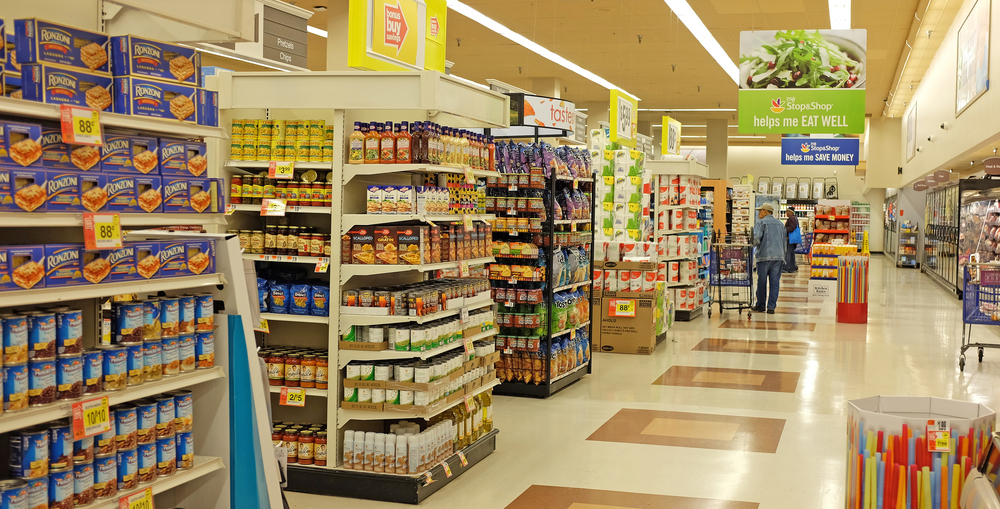
The grocery trick that boosts spending doesn’t rely on flashy sales or coupons. It’s all about store layout and sensory design—especially the use of music, lighting, and product placement to nudge shoppers toward unplanned purchases. Research shows that slower music tempos and warm lighting make customers linger longer, increasing the likelihood of grabbing extra items. Even strategic shelf arrangements can manipulate decision-making, placing high-margin products right at eye level. Once you understand how this trick plays on your senses, it becomes easier to stick to your list.
How Entrance Layouts Set the Tone
Most people don’t realize that the grocery trick starts the second they walk in. Many stores design entrances to make shoppers feel relaxed and inspired before they even hit the aisles. You’ll often find flowers, seasonal displays, and fresh produce up front to create a sense of abundance. This primes your brain to associate the store with freshness and quality, softening resistance to spending. By the time you reach the dairy section, your shopping mindset has already shifted from “I need” to “I want.”
That said, let’s jump into five specific traps grocers are setting for shoppers that we fall for almost every time.
1. The “Decompression Zone” Effect
The first few steps inside any supermarket are carefully planned. This decompression zone gives you time to adjust to the outside world while your brain starts absorbing colors, smells, and sounds. It’s one of the most powerful parts of the trick because it sets a relaxed pace and lowers your guard. Retail psychologists say shoppers in this zone are more likely to make emotional, rather than logical, buying decisions. To counteract it, walk straight past the first display and head directly to your first list item before browsing.
2. Strategic Product Pairing
Ever notice how chips are displayed near soda or salsa near tortilla shells? That’s not random—it’s a calculated grocery trick called product pairing. When complementary items are grouped together, shoppers subconsciously buy both even if they only planned on one. Studies show that these pairings increase total basket size dramatically. To save money, stick to your list and resist “just in case” add-ons that stores intentionally tempt you with.
3. Cart Design Psychology
Believe it or not, even your shopping cart plays a role in spending. Modern carts have grown in size over the years, encouraging customers to fill the extra space. This subtle trick makes you feel like you’re not buying much, even when the cart is half full. Research from consumer behavior experts shows that doubling cart size can increase spending by up to 40%. Consider using a hand basket when possible to stay mindful of what you’re buying.
4. The Bakery and Deli Placement
Many stores position their bakery and deli sections near the entrance for one reason—smell. Fresh bread and roasted chicken trigger hunger, which increases the likelihood of impulsive snack or meal purchases. This grocery trick targets your senses to make food look and smell irresistible. Even if you’ve just eaten, the aroma can subconsciously drive cravings and spending. To avoid overspending, try eating before grocery shopping so those smells lose their persuasive power.
5. The Checkout Counter Trap
Just when you think you’re done, the store has one final trick waiting for you. Checkout counters are lined with small, inexpensive items designed to trigger last-minute impulse buys—gum, candy, travel-sized toiletries, and more. This grocery trick works because your brain relaxes once the “hard part” of shopping feels done, making you more susceptible to low-stakes spending. Those small items may seem harmless, but they add up over time. A simple strategy is to occupy your hands with your phone or wallet while waiting in line to reduce temptation.
Outsmarting the Grocery Trick Once and for All
The best way to beat the grocery trick is through awareness and planning. Bring a detailed list, shop after eating, and stick to the outer aisles where staple foods live. Pay attention to how the environment affects your mood and pace—if you find yourself slowing down or wandering aimlessly, it’s time to refocus. Many shoppers save hundreds of dollars a year just by being mindful of these subtle cues. With practice, you’ll start to see through marketing psychology and take full control of your grocery budget.
Have you ever noticed a trick that made you spend more than you planned? Share your experiences in the comments below!
What to Read Next…
- 6 Seasonal Promotions That Trick Customers Into Overspending
- Are “Manager’s Special” Items a Good Deal or a Trap?
- 6 Packaging Tricks That Make Shoppers Pay More for Less
- 9 Sneaky Subscription Traps Found on Grocery Store Apps
- 13 Store Managers’ Tricks That Keep Prices Hidden
The post The Grocery Trick That Makes Impulse Buyers Spend 12% More Every Trip appeared first on Grocery Coupon Guide.