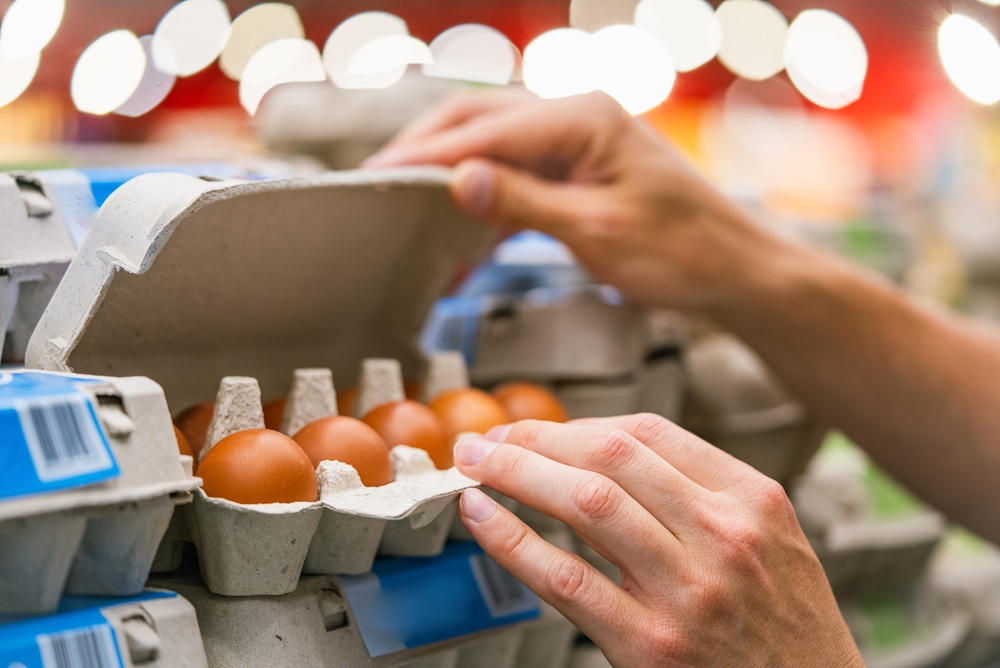
If you’ve felt like your favorite staples don’t taste or look quite the same lately, you’re not imagining it. Since 2020, one particular grocery item has quietly changed across nearly every brand and household: eggs. From price hikes to supply issues and even subtle shifts in flavor and quality, eggs haven’t fully returned to what they were before the pandemic. They’ve become a symbol of how fragile and unpredictable the modern food system can be. Understanding what caused these changes—and what’s still impacting your carton today—can help you shop smarter and get better value for your money.

Supply Chain Chaos Changed the Grocery Item for Good
In 2020, the pandemic upended global food distribution, and the humble egg became one of the first grocery staples to feel the shock. Supply chains that once ran like clockwork suddenly faced shortages of packaging, transportation delays, and inconsistent production. Egg producers, used to steady restaurant and school demand, had to shift rapidly to meet soaring retail sales. This imbalance caused prices to spike, and farmers couldn’t always maintain the same production quality while scaling up. That disruption reshaped how this product was produced, packaged, and priced—and it set a new normal that still hasn’t fully stabilized.
The Rise of Smaller Cartons and Shrinking Value
One of the most noticeable changes to this grocery item since 2020 is the packaging itself. As costs rose, many producers quietly reduced carton sizes or increased prices under the guise of “premium quality.” Some stores began pushing six-egg cartons instead of dozens, creating a psychological illusion of affordability while raising the price per egg. This trend, often called shrinkflation, isn’t limited to eggs but hits them particularly hard since families buy them so frequently. What feels like a small difference at the shelf adds up quickly over time, eroding household budgets without most shoppers realizing it.
Feed Costs and the Quality Shift
Rising feed prices have had a direct impact on the eggs consumers once considered cheap and consistent. When corn and soy costs skyrocketed in 2021 and 2022, many farmers altered feed formulas to cut expenses. That subtle change affected yolk color, shell strength, and even the taste of eggs. Consumers who swore by a specific brand started noticing differences in texture or freshness. It’s not your imagination—the quality of this grocery item now depends more heavily on brand sourcing and feed quality than ever before.
The Bird Flu Outbreak Made Things Worse
While the pandemic disrupted supply chains, the avian influenza outbreaks dealt a second blow to the stability of egg prices. Millions of laying hens were culled to prevent the spread of infection, wiping out significant portions of the U.S. egg supply. Even after farms restocked, recovery took time, and production costs remained high. Some producers passed those costs directly to consumers, while others cut corners to stay competitive. The result? Higher prices, inconsistent quality, and ongoing unpredictability for anyone trying to budget around eggs.
The Organic and Cage-Free Push
In response to growing consumer awareness, many stores have shifted shelf space toward organic, cage-free, and pasture-raised versions of this grocery item. While that sounds like progress, it’s also reshaped pricing structures. These labels often carry a premium that adds two or three extra dollars per dozen. For many families, that means paying more just to maintain what used to be standard quality. The shift toward ethical production is positive overall, but it has permanently raised the baseline cost of this staple.
Restaurants and Bakeries Feel It Too
The ripple effect of this changed grocery product extends far beyond home kitchens. Restaurants, bakeries, and food manufacturers rely heavily on eggs, and fluctuating costs have forced them to adapt recipes, raise prices, or switch suppliers. Some commercial kitchens even reformulated products to reduce egg use altogether. This is why many baked goods, sauces, and prepared foods don’t taste quite the same as they did pre-2020. When one foundational food item changes, it alters the entire culinary landscape.
Price Drops That Aren’t What They Seem
In 2023, headlines celebrated falling egg prices, but those numbers can be misleading. While the cost per dozen dropped from record highs, it never returned to pre-2020 levels. Many brands used the price decline to adjust packaging, ingredient sourcing, or quality instead of restoring affordability. Essentially, eggs stabilized—but at a higher baseline cost and lower consistency. Consumers still pay more for less, even if the price tag looks friendlier than it did during the peak of inflation.
How to Shop Smarter for Eggs
Despite the ongoing challenges surrounding this grocery item, there are ways to shop strategically. First, compare unit prices rather than total carton costs to spot shrinkflation in action. Second, try local farms or farmers markets where freshness is more reliable and pricing may be competitive. Third, consider freezing eggs or buying in bulk when prices dip during seasonal sales. And if you bake often, powdered or liquid egg substitutes can offer savings without sacrificing quality. Small adjustments like these can help offset the higher cost of this once-stable essential.
What Eggs Teach Us About Modern Grocery Shopping
The journey since 2020 highlights just how interconnected and fragile our food system really is. From supply chain shifts to global disease outbreaks, every stage of production affects what lands in your fridge. Eggs may be simple, but they reveal a complex truth: the grocery world has permanently changed. Awareness is the best tool consumers have for protecting their wallets and adapting to a new normal. What we’ve learned from this small but mighty item can guide smarter, more mindful shopping habits across the board.
Have you noticed changes in egg quality or pricing since 2020? Share your experiences and budget-saving tips in the comments!
What to Read Next…
- The Egg & Meat Supply Crisis: Why Prices Went Up, and How to Shop Around Smartly
- What Grocery Shelves Reveal About Inflation
- Why Bacon Packages Keep Getting Smaller While Prices Stay the Same
- 6 Supermarket Sections Where Prices Are Outpacing Inflation
- 7 Ways to Beat Rising Food Prices Without Changing What You Eat
The post The Grocery Item That Hasn’t Been the Same Since 2020 appeared first on Grocery Coupon Guide.