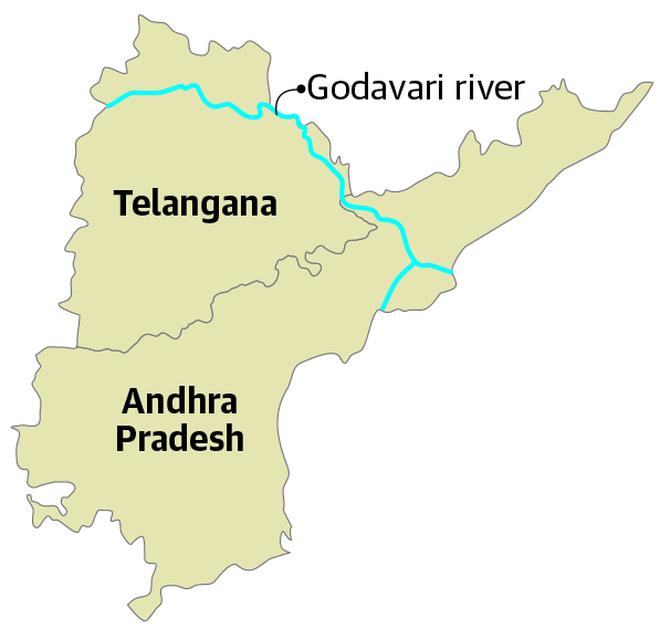
In the last week of June, Kunja Sai Kumar, a farmer belonging to the Koya tribe, was jubilant as he sat with the 160 families of his community in Mukunuru village for a dinner. The village is situated on the banks of the Sabari river, a tributary of the mighty Godavari. The Koyas sang songs of prayer for a good harvest in Mukunuru, situated in the Alluri Sitharama Raju district of Andhra Pradesh. The men completed all the rituals mandated for bringing down the curtains on the three-day Bhumi Puja, celebrated to mark the commencement of the agriculture season in July. Paddy, sesame, pulses and chilli are the major crops grown in Mukunuru and its surrounding areas. In summer, the farmers earn their income by selling sweet-smelling mahua flowers and nuts collected from the forest.
Their prayers went unanswered. Within a fortnight, the Koyas turned sombre as the Godavari, in all its rage, submerged their crops, fields, homes, and hopes as early as July. They were surprised, for they were generally prepared for floods in the months of August and September every year. This time, the villagers were subjected to not one but three floods in July and the first three weeks of August, which cut them off from the mainland. While they mourn the loss of their crop, they are equally worried about the next harvest. “How can crops now be grown on this land,” asked a distraught Sai Kumar.