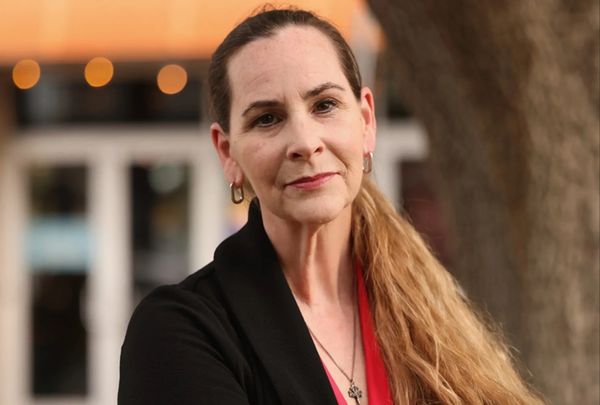
We grew up with a specific image of retirement: cruises, golf courses, and spoiling the grandkids. The “Golden Years” were the promised reward for decades of hard work. But for many Baby Boomers, that dream is dissolving into a harsh reality. Instead of relaxing, they are updating resumes and putting on greeter vests.
It is easy to judge and say they should have saved more, but that ignores the systemic economic shifts that pulled the rug out from under an entire generation. This isn’t just about boredom; it is about survival. Here is why the Boomers are being forced back into the workforce in droves.
1. The Death of the Pension
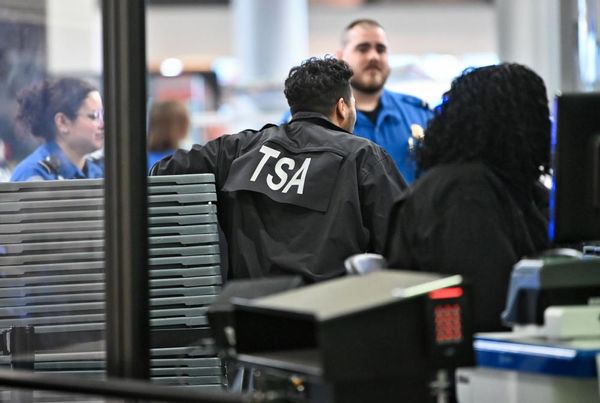
Boomers were the transition generation. They started working when companies offered guaranteed pensions and ended their careers when everything shifted to 401(k)s. The 401(k) was never designed to be the sole vehicle for retirement; it was meant to be a supplement. Shifting the risk from the employer to the employee left millions with savings that simply cannot outlast their life expectancy.
2. Runaway Healthcare Costs
Medicare doesn’t cover everything. The out-of-pocket costs for hearing aids, dental work, and long-term care are astronomical. One major health event can wipe out a lifetime of savings. Many Boomers are working just to pay the premiums on supplemental insurance or to cover the gap that Medicare leaves, effectively trading their time for access to healthcare.
3. Inflation Eating the Nest Egg
Retirement planning relies on math where you calculate what you need based on expected inflation. But the recent surge in the cost of living—groceries, gas, utilities—has broken those calculations. A fixed income that looked comfortable five years ago is now poverty-level. They aren’t working for luxuries; they are working to buy eggs and keep the lights on.
4. Supporting Adult Children
This is the “sandwich generation” extended far beyond what anyone anticipated. High rent, student loans, and stagnant wages have forced many Millennials and Gen Z kids to move back home or ask for financial help. Boomers are dipping into their retirement funds to help their children survive, draining their own resources in the process to ensure their offspring stay afloat.
5. Longevity is a Double-Edged Sword
Living longer is great, but it is expensive. Boomers are living well into their 80s and 90s, meaning financing a 30-year retirement is a massive challenge that few prepared for adequately. The fear of outliving their money is driving them back to work to preserve what capital they have left, turning longevity into a financial liability rather than a blessing.
6. The Social Security Shortfall
Social Security was intended to replace about 40% of pre-retirement income. For many, it is their only income. With the cost of housing and food skyrocketing, that monthly check barely covers the basics. A part-time job becomes the only way to have any disposable income or breathing room in a budget that is stretched too thin.
7. Ageism in Corporate America
Many Boomers didn’t choose to retire; they were pushed out in their late 50s and early 60s to make room for cheaper, younger workers. Forced early retirement means fewer years of peak earning and savings. Now, they are re-entering the workforce at a much lower pay grade just to make ends meet, effectively starting over at the bottom of the ladder.
8. Grey Divorce
Divorce rates for people over 50 have doubled since the 1990s. Splitting assets late in life is financially devastating because two households are significantly more expensive to run than one. Many divorcees find themselves needing to work again to rebuild a semblance of financial security after seeing their net worth cut in half.
9. Debt They Couldn’t Shake
Unlike previous generations, many Boomers are entering retirement with mortgages and credit card debt. Carrying debt into a fixed-income phase is a recipe for disaster. The monthly payments demand a monthly paycheck, forcing them back into the grind simply to service the interest on past decisions.
10. The Need for Social Connection
It isn’t always about money. Work provides community. In a lonely world where neighborhoods aren’t what they used to be, a job offers a place to go and people to talk to. Isolation is a significant health risk, and for some, the workplace is the only place they feel visible and useful in a society that often overlooks the elderly.
Retirement Is a Luxury, Not a Guarantee
The unretirement wave is a wake-up call for all of us. The systems we trust—Social Security, 401(k)s, home equity—are fragile. Watching the Boomers navigate this crisis is a sobering reminder that financial planning requires redundancy and flexibility.
Do you know someone who had to go back to work after retiring? Share their story in the comments.
What to Read Next…
- Still Clocking In: Why So Many Seniors Can’t Afford to Retire
- 10 Proven Ways to Protect Your Retirement From Inflation
- 10 Signs You’ve Reached “Peak 65” and Still Can’t Retire
- 9 Genius Downsizing Moves That Make Retirement Feel Luxurious
- 10 States Where Retirees Are Escaping To—and Why Everyone Else Is Following
The post The “Golden Years” Lie: 10 Reasons Boomers Are Being Forced Back Into the Workforce appeared first on Budget and the Bees.